Sunday, August 31, 2025

Sunday, June 8, 2025
Unveiling Food Allergies: Insights from Medical Experts

Food allergies worry many families. Parents guide children’s meals with care. Peanut butter and jelly filled lunchboxes once. Now, these foods prompt concern. Dr. Teague shared clear advice on food allergies. His words build on facts, signs, and steps to prevent harm.
Understanding the Numbers
Dr. Teague notes that parents see more allergies in children. Many feel allergic symptoms now show. Yet hard data show steady diagnosis counts. The rise is not in allergies but in clear awareness. Parents spot rashes or stomach pain early. They tell doctors, and diagnoses follow.
Population growth plays its role too. A stable number of cases among more children seems larger. Schools and public places adopt strict measures. The rules help every child, and the worry grows that allergies are everywhere.
The Severity of Reactions
Dr. Teague explains that not all reactions are the same. Some allergens, like peanuts, can hurt a child badly. Children with severe allergies may struggle to breathe. They show swelling in the mouth and throat. They face heart distress and stomach issues, like vomiting. This reaction is intense and life-threatening. Sometimes, even close contact can trigger a reaction. In schools or on airplanes, strict rules, such as reducing peanut use, help protect everyone.
Preemptive Measures for Parents
Parents carry the task of keeping children safe. Expectant mothers ask: How can I lessen allergy risks? Dr. Teague stresses that no sure step stops allergies. A healthy diet and lifestyle during pregnancy may help.
Advice on introducing allergenic foods has now shifted. Old tips told parents to wait. New studies now support early exposure to many foods. The American Academy of Pediatrics suggests trying peanuts at six months. This comes after exclusive breastfeeding or formula feeding. Parents should add one new food at a time. Wait five days before a new one. This helps to spot any allergy clearly.
The Path Ahead
Research on food allergies grows each day. Parents must ask doctors about allergy risks. They need to share family history and watch symptoms closely. Community rules, such as altered food policies in schools, show this shared care.
In short, parents and caregivers must learn about food allergies. With clear facts, careful diets, and close watching in familiar spaces, parents take strong steps. Dr. Teague’s insights give parents the strength to meet these challenges. Together, we protect our children in a world aware of food allergies.
contact us @mindfulaimedia@gmail.com
Unraveling Texas Allergies: Exploring the Reasons Behind Their Intensity
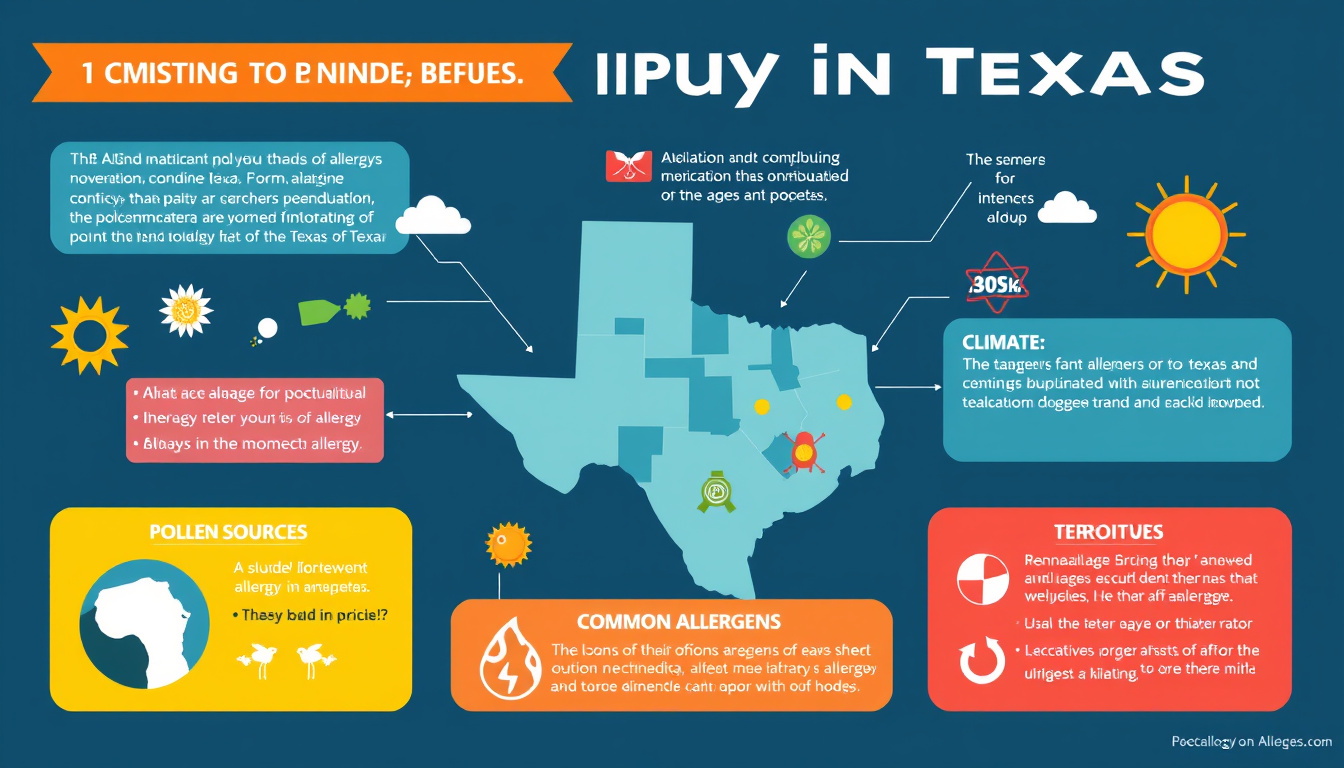
In North Texas, seasons change and residents feel allergy discomfort in spring. Scott Patchett, the chief meteorologist, explains the pollen surge and the factors that make allergens more common. His words link cause and effect close together.
The Pollen Predicament
In North Texas, pollen covers the land and rests on cars and outdoor furniture. Many people feel this impact. South Lake resident Parul Kashuk loses the joy of spring because pollen forces her indoors. She faces sneezing, itchy eyes, and breath issues. These reactions follow the weather and the local plants' habits.
Longer Allergy Seasons: A Closer Look
Dr. Marie Fitzgerald oversees the pollen count here. She finds that North Texas has a long pollen season. The warm climate and mild winters allow plants to produce pollen nearly ten months out of the year. Different plants peak at different times:
- Tree pollen peaks from February to April.
- Grass pollen peaks from April to June.
- Weed pollen shows from Labor Day to Halloween.
- Mountain cedar releases its pollen in winter.
A clear pause in allergens happens from early July until early September when the heat dominates.
Geographical Influence on Allergens
North Texas has varied landscapes. The Blackland Prairie and the Cross Timbers merge. This mix produces many types of plants. Grass and trees share the space, and each plant contributes its pollen. The close links between these factors worsen allergy issues.
Exploring the ‘Botanical Sexism’ Theory
Social media fans talk about a view called "botanical sexism." Horticulturist Tom Ogren proposed this idea. He links male trees to high pollen amounts because they spread a lot. Female trees, in contrast, produce less pollen since they focus on fruit. Urban forester Courtney Blevins is cautious. He says that even with fewer male trees nearby, the extra pollen from the region can cancel any benefits.
Mitigating Allergies: Practical Tips
Debate continues on how best to handle pollen. Many agree on these solutions. One can plant trees that pollinate with insects, not wind, to ease symptoms. Here are several tips for those who suffer from pollen allergies:
- Timing Your Outdoor Activities: Try to avoid the early morning and afternoon when pollen hangs in the air. Evenings, especially after rain, can offer relief.
- Stay Informed: Check local pollen forecasts to plan your day.
- Plan Plantings Wisely: When you landscape, choose plants that are less likely to stir up allergies.
In North Texas, allergies tie together weather, plants, and climate. The close links between these elements cause much discomfort. But knowing the reasons behind the spread of pollen helps people manage their symptoms. With good planning and updated information, people can find some relief even at pollen peaks.
contact us @mindfulaimedia@gmail.com
Saturday, June 7, 2025
Beyond the Operating Table: Uncovering the Hidden Complications of Routine Knee Replacements

Knee replacement surgeries help people who suffer from long-lasting knee pain. Over 690,000 procedures occur every year in the United States. Patients expect pain relief and improved movement. Yet, unexpected and severe complications sometimes arise. Elise Barber’s journey shows the hidden risks of these routine operations. In her case, the danger comes from metal allergies and their surprising effects.
The Heavy Expectations
Elise Barber, like many, chose knee replacement to end years of pain. She hoped her new knee would give her mobility once more. With clear goals to enjoy activities such as hiking, she underwent surgery. Her new knee did bring some relief. However, soon after, unforeseen complications turned her recovery into a struggle.
Hidden Complications: The Case of Metal Allergies
Soon after her surgery, Elise saw many bruises on her legs. This sign led her to seek more help. In the following months, she felt confused by new and changing symptoms. Eventually, doctors diagnosed her with a metal allergy—a detail they had missed before. Her implants contained chromium, cobalt, and nickel. These metals triggered her allergies. This case shows a gap in pre-surgery checks: metal allergies are not always screened.
Dr. Karen Pacheco, an expert from the Mayo Clinic, says that metal reactions affect about 3% of patients. Yet when 690,000 knee replacements take place, over 20,000 patients might face allergic reactions. Many of these patients do not know about their sensitivity.
The Mistaken Assumptions
Many assume knee replacement is a risk-free cure. Patients often expect a smooth recovery. They may not discuss metal allergies or reactions to jewelry with their surgeons. Dr. Pacheco calls for better checks. She suggests that surgeons ask about metal sensitivity before surgery. This simple step can show who is at risk.
Longer-Term Consequences
For Elise, the metal allergy diagnosis was not the end. She now faces uncertainty about what comes next. A revision surgery may be needed. This revision involves removing the metal parts and trying non-metal options. Such change brings questions about cost and further health risks. Each additional surgery can impact bone and tissue integrity. The struggle for recovery may continue with more surgeries and new challenges.
The Road Ahead: A Call for Awareness and Change
Elise’s story shows the many layers of routine knee replacements. It stresses the need to talk about allergies before surgery. Healthcare providers must understand how metal allergies affect orthopedic care. Dr. Pacheco works to change standard practices in surgery. Better checks may lead to fewer complications and improved patient care.
Technological progress may soon bring better allergy screenings and more biocompatible implant choices. Patients deserve clear facts so they can make informed choices. Through awareness, education, and advocacy, we can help patients recover better and avoid hidden challenges after knee replacement surgery.
contact us @mindfulaimedia@gmail.com
Unraveling the Connection: Could Histamine Be the Hidden Trigger Behind Your IBS Symptoms?
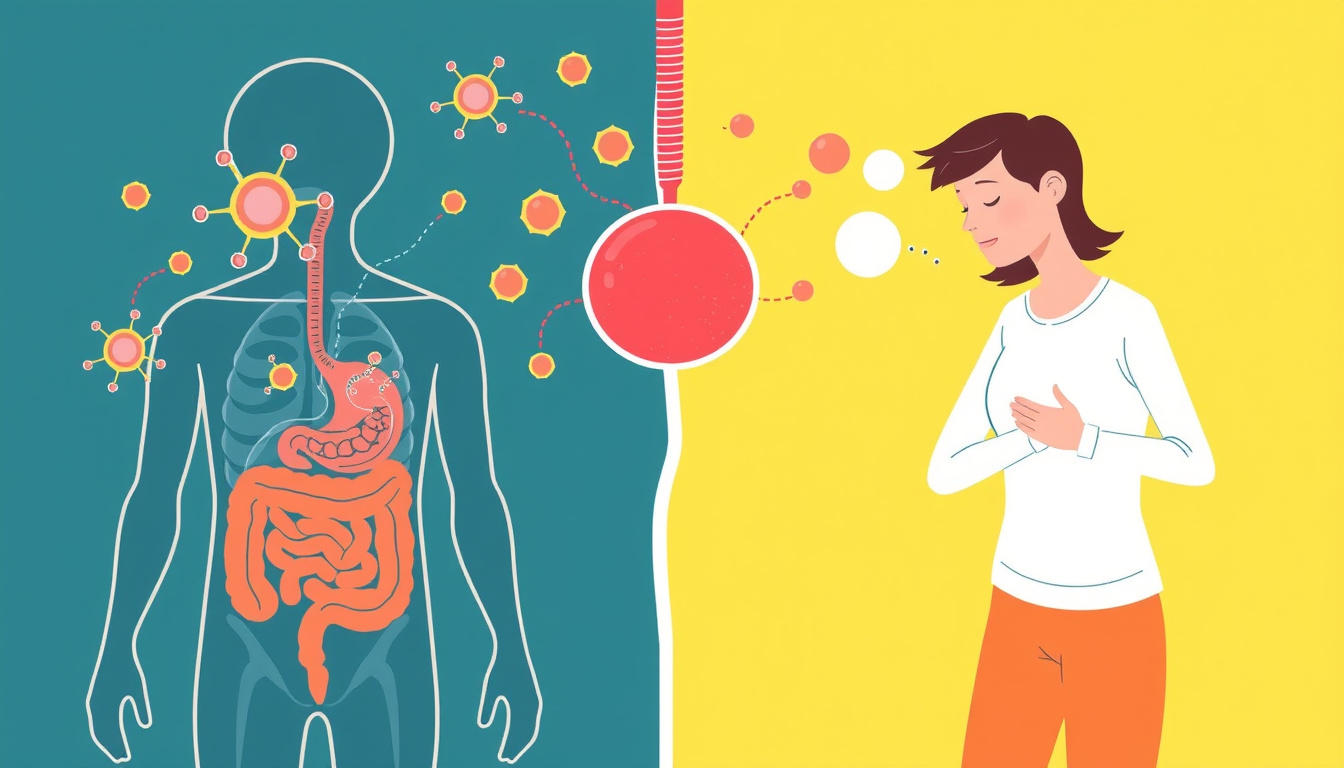
Irritable Bowel Syndrome (IBS) affects many people. It causes discomfort, bloating, and unpredictable bowel movements. One trigger is histamine sensitivity. This article links histamine to IBS. It gives steps to manage histamine symptoms.
Understanding Histamine and Its Role
Histamine is a natural substance. It controls the immune system, digestion, and sleep. Your body breaks down histamine with enzymes. When too much histamine builds up from food or other issues, symptoms appear. These symptoms include hives, headaches, and diarrhea.
The Overlap Between Histamine Intolerance and IBS
Many with IBS do not know that histamine sensitivity can add to their discomfort. High histamine foods may cause diarrhea, bloating, and other digestive issues. These symptoms mimic IBS. Seeing this connection can help you find relief.
Identifying Histamine Triggers
-
Create a Food Symptom Diary
For five days, write down each meal. Note the food type, portion, and any symptoms. This keeps data close and clear. -
Refer to a High Histamine Foods List
Know high histamine foods: aged cheese, fermented products, canned fish, some alcohol, and pickled items. Compare this list with your diary. -
Remove Identified Triggers
When one food links to symptoms, cut it out for two weeks. Remove it steadily to see changes. -
Reintroduce Foods Slowly
After two weeks, add one food at a time. Track any symptom shifts. Add one, check the effect, then move on. -
Explore Alternatives
Swap high-histamine foods with low-histamine ones. For example, try fresh mozzarella or goat cheese instead of aged cheese.
Addressing Underlying Issues
When you spot triggers, also check for other causes. Gut dysbiosis, leaky gut, or genetics may worsen histamine intolerance.
-
Gut Health:
Visit a health professional. They can test for gut imbalances like dysbiosis or leaky gut. -
Nutrient Deficiencies:
Low vitamins or minerals slow histamine breakdown. Make sure your body gets the nutrients it needs.
Conclusion
Histamine sensitivity can worsen IBS but is often missed. Linking histamine to IBS helps you manage symptoms better. A food diary, trigger removal, and slow reintroduction can reveal clues to your health. If you suspect histamine affects you, consult a healthcare provider or specialist. This care can guide you to manage triggers and improve your quality of life.
contact us @mindfulaimedia@gmail.com
Friday, June 6, 2025
In-Depth Analysis: Unraveling the Secrets of Tick Tracking
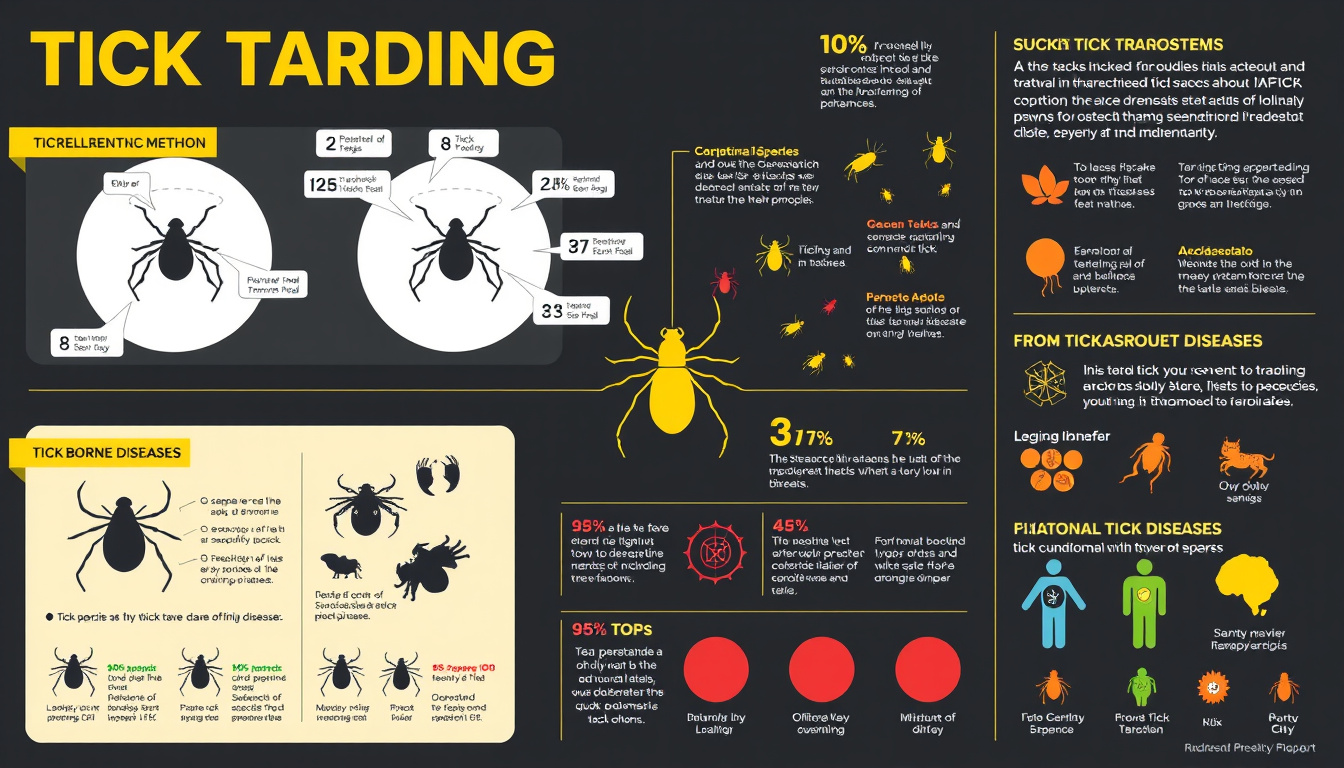
Ticks are very small. They make a big impact on public health. Their bites now link to a rare allergy. Tick season comes with late summer and fall in the Southeastern United States. It is important for everyone to learn about these pests and the risks they bring. This article shows tick research. It follows scientists who track tick numbers and study the diseases they spread.
The Impact of Tick Bites
Studies show that the lone star tick can cause Alpha-gal syndrome, a red meat allergy. The immune system then sees a sugar called alpha-gal as a threat. People with this allergy must avoid mammal meat. Their diets change, and their lives shift too. Learning about this allergy helps us keep public health safe.
A Unique Allergy Mechanism
George McLoud tells his story as a sufferer of this allergy. His tick bite changed his body’s response. Tick saliva can make the immune system react slowly to alpha-gal. George eats red meat. Hours later, his body shows the delayed reaction. In this way, a tick bite affects how the body deals with a common sugar.
Tick Research and Tracking
Dr. Holly Gaff leads the efforts to count and study ticks. In the field, scientists collect ticks with simple tools. They analyze each tick for signs of disease. A tick bite can spread a harmful virus in just 15 minutes. This quick risk calls for fast and clear precautions.
The Environmental Shift
More people are moving from cities to suburban areas. They now visit regions where ticks live easily. Close contact with tick homes makes bites more likely. This shift in living brings new dangers. It also means that protecting yourself becomes more urgent.
Practical Precautions
Doctors offer clear ways to avoid tick bites. They ask us to wear long clothes and use insect repellent. After going outside, we must check our bodies carefully. Knowing how to remove a tick safely is also very important. These steps help reduce the risk of illness.
Community Engagement and Research
Local groups also work hard to study tick-borne diseases. They collect ticks from pets and people. Scientists then check these ticks for pathogens. This work shows where disease risks lie. It keeps our communities informed and safe.
Conclusion: Staying Informed and Prepared
Tick numbers are rising, and so are the health risks. Learn about tick habits and the allergies they cause. Knowing this helps you take steps to protect your health. Community research and awareness are our first line of defense. Through education and careful actions, we can face tick season well. Working together, we can enjoy the outdoors safely and keep our health secure.
contact us @mindfulaimedia@gmail.com
Conquer Spring Allergies: Essential Strategies for a Sneeze-Free Season | HOUSTON LIFE | KPRC 2

Conquer Spring Allergies: Essential Strategies for a Sneeze-Free Season
Spring comes and so do allergens. Houston faces heavy pollen. Expert Bryce Wilde says know your allergens and act fast. Follow these short steps to keep sneezes far away.
Understanding Allergens
Pollen triggers allergies. It affects nearly 80% of those who suffer. Overused cleaning products and antibiotics disrupt your immune system. Excess cleanliness stops your body from building strong defenses. This idea, called the hygiene hypothesis, links too much cleaning with weak resistance.
Practical Tips for Reducing Allergic Reactions
-
Dress for Protection
Wear outdoor gear. A hat shields your hair. Sunglasses block pollen from your eyes. -
Maintain Clean Bedding
Change pillowcases often. Dry your pillow on high heat for five minutes. Heat kills dust mites and washes away pollen. -
Shower Before Bed
Shower in the evening. Water washes pollen from skin and hair. This habit makes your sleep more peaceful. -
Increase Your Intake of Colorful Foods
Add fruits and vegetables to every meal. Choose carrots and sweet potatoes for their orange hue. These foods give antioxidants that help your immune system. -
Probiotics and Prebiotics
Probiotics boost gut health. Prebiotics feed the good bacteria. Find prebiotics in yogurt and fiber-rich vegetables. Sun fiber, a tasteless soluble fiber, is an easy add-on.
Choosing the Right Medication
Over-the-counter antihistamines may not fix the cause. They often bring rebound effects. Look instead for natural or homeopathic remedies without harsh additives.
-
Homeopathic Eye Drops
Choose eye drops free of preservatives and artificial colors. They calm irritation without harm. -
Essential Oils
Eucalyptus or peppermint oils help breathing. Inhale steam with these oils to clear nasal passages.
Nasal Irrigation Techniques
Try nasal irrigation. Use a neti pot to flush out allergens as you wash your hands. This simple act can ease congestion and clear your nose.
Take Control This Allergy Season
Manage allergies with clear steps and small lifestyle changes. Protective clothing and diet shifts help reduce symptoms. Though allergies can feel strong, understanding their cause makes them easier to beat. Use these strategies to claim a bright, sneeze-free spring.
contact us @mindfulaimedia@gmail.com
Featured Post
Navigating the Future of Healthcare: The Promises and Pitfalls of Artificial Intelligence
Artificial Intelligence (AI) appears as a threat in movies and books. Yet in healthcare, AI acts as a trusted helper. It saves lives, impr...

-
Rising Concerns: Over Half of Pet Owners Fear Tariffs Will Make Pet Care Unaffordable Amid InflationSurvey Reveals 52% of Pet Owners Concerned About Tariffs Impacting Affordability SEATTLE — A new report shows pet owners worry. More tha...
-
Rover Releases Comprehensive True Cost of Pet Parenthood Report for 2025 Seattle, WA – March 18, 2025 – Rover published its sixth annual...
-
In today’s digital age, exclusive content has become a prized possession for content creators and consumers alike. Whether it’s a special re...


