Friday, May 23, 2025

Unveiling the True Costs of Pet Parenthood in 2025: Insights from Rover's Comprehensive Report

Unveiling the True Costs of Pet Parenthood in 2025: Insights from Rover

Rover Reveals True Cost of Pet Parenthood Report for 2025

SEATTLE, March 18, 2025 (GLOBE NEWSWIRE) — Rover, the world’s largest online marketplace for pet care, has released its sixth annual "True Cost of Pet Parenthood Report." This report shows pet owners how money and care connect. It uses data from 1,000 pet owners in the United States. The numbers tell us that expenses for pet care rise. They also show that pet parents worry about costs in a tough economy.

Rising Costs of Pet Parenthood

Pet owners now face more expenses. Dog care costs rise by about 7%. Cat care costs go up by nearly 10%. A 10-year-old dog may cost around $34,550 in its lifetime. A 16-year-old cat can cost about $32,170. These numbers change with breed, size, health, and a pet’s lifespan.

Inflation and new tariffs push costs higher in 2025. Veterinary fees jump 11%. Cleaning supplies leap by 183%. Grooming supplies there is a 20% rise, and treats and chews jump by 85%. Almost half of pet owners (52%) worry that tariffs will add more pressure on their budgets.

Pet Adoption Costs Decrease

Adoption costs drop compared to 2024. Bringing a new dog home now costs between $1,150 and $4,420. For a cat, the cost ranges from $750 to $2,715. Adoption fees for dogs drop by 19% and for cats by 16%, which makes shelter adoption kinder on the budget.

Financial Awareness Among Pet Parents

More pet owners feel the weight of financial choices. Twenty-eight percent worry about affording pet needs. Forty-eight percent fear rising costs over a pet’s lifetime. Sixty-nine percent spend most of their money on food and treats for their pets.

Many adjust their spending. One third cut costs in groceries and entertainment. Thirty-four percent would change pet spending only as a last resort if money got tight.

Preparing for the Future

Dr. Rebecca Greenstein, a Rover Pet People Panelist, says planning matters. She notes, “Although care costs can be high, a pet’s love and companionship remain priceless.” She advises creating a budget, saving for unexpected vet bills, and keeping up with regular checkups and vaccines.

Regional Cost Variations

Pet care costs differ across the United States. Some cities offer lower expenses, while others are much costlier. According to the report, the top ten most affordable cities for pet ownership include:

  • Parsons, KS
  • Lawton, OK
  • Anniston, AL
  • Springfield, MO
  • Tupelo, MS
  • Evansville, IN
  • Jonesboro, AR
  • McAllen, TX
  • Beckley, WV
  • Dayton, OH

The least affordable cities include major metropolitan areas such as:

  • Manhattan, NY
  • San Francisco, CA
  • Greenwich, CT
  • Seattle, WA
  • Honolulu, HI
  • Bethesda, MD
  • Anchorage, AK
  • Boston, MA
  • Portland, ME
  • Hoboken, NJ

For more details, the full "True Cost of Pet Parenthood Report" is on Rover’s website. There you will find city-specific costs and insights for pet parents both current and new.

Rover continues to serve pet owners by connecting them with reliable care providers and improving pet care overall. To learn more about Rover and its services, visit www.rover.com.

Contact

Kristin Sandberg
pr@rover.com
360-510-6365

### About Rover
Founded in 2011 and based in Seattle, Rover links pet parents with caregivers offering boarding, in-home pet sitting, daycare, and dog walking. Rover works hard to ensure pets get the best care from trusted providers.

contact mindful ai media creations here: mindfulaimedia@gmail.com

Navigating Rising Veterinary Costs: Challenges and Solutions for Practices Amid Economic Uncertainty

Navigating Rising Veterinary Costs: Challenges and Solutions for Practices Amid Economic Uncertainty

Veterinary Practices Face Financial Challenges Amid Growth in U.S. Pet Care Sector

Published: April 28, 2025

The American Pet Products Association expects veterinary spending in the United States to grow. They forecast $41.4 billion this year. Spending climbed from $35.9 billion in 2022 to $39.8 billion in 2024. This rise shows strength in the pet care field. Yet veterinary practices face hard financial problems. Rising hiring costs, tariffs, and other factors add strain.

Hiring Costs on the Rise

Leslie Boudreau runs a hospital in Huntington Beach, California. She sees problems when hiring veterinarians. The American Veterinary Medical Association says there are enough new graduates. However, many professionals work in government, military, or relief work. This shift leaves private practices with fewer choices.

Hiring a veterinarian now costs much more. New staff need close guidance at first. This need slows work and uses extra time and money. Many veterinarians now move from one practice to another. They search for better pay. Boudreau says nearly every peer worries about keeping their practice open.

Concerns About Tariffs and Rising Costs

Global price shifts also affect veterinary care. Tariffs raise prices for imported supplies. Medical tools like gauze and syringes become costlier. Rising insurance fees add further pressure. Karen E. Felsted, a management consultant, agrees. She says economic worry and fewer client visits hurt practices. Pet owners, unsure about money, cut back on spending.

Adapting to the Challenges

Veterinary hospitals try new ways to save money. Boudreau’s hospital now price shops and joins buying groups. They hope to lower supply costs. The hospital also reviews its list of medications. Fewer options may help manage costs better.

Boudreau faces high credit card fees from processing payments. In 2023, fees topped half a million dollars. She told clients that from May 1 a fee would be added for credit card use. Many clients reacted badly at first, but rising costs force practices to act.

Financial Recommendations for Veterinary Practices

Felsted offers more advice. She recommends a focus on client service to keep income steady. She urges hospitals to build up emergency funds and review spending habits. She advises clear talk with clients about payment choices. This focus on value can help in tough times.

Boudreau sums up the situation. Rising costs and tight profits now affect everyone. Veterinary practices must work smart and control what they can.

As challenges spread in veterinary care, practices might need to adjust their plans and client talks. This change can support financial health while still offering needed care.

For more insights and the latest in veterinary medicine, visit the AAHA website.

Photo credit: imagedepotpro via Getty Images Plus


This article is provided by the American Animal Hospital Association (AAHA) as part of its commitment to inform and inspire the veterinary community with valuable insights.

contact mindful ai media creations here: mindfulaimedia@gmail.com

Understanding Pet Screenings: Their Significance and Benefits for Pet Owners and Landlords

Understanding Pet Screenings: Their Significance and Benefits for Pet Owners and Landlords

In recent years, renters owning pets have grown fast. Today, 70% of U.S. households have pets, which means about 90 million families. In 1988, only 56% had pets. In 2019, the rate was 67%, according to the American Pet Products Association's 2022 National Pet Owner Survey. Landlords now rethink pet policies, and they screen pets well before letting them live in rental homes.

What is a Pet Screening?

A pet screening is a check made for a tenant’s pet. It is part of a tenant check and looks for risks. It gathers data about the pet’s behavior, age, health, gender, breed, and size. Landlords use this simple, clear process to decide if a pet fits the rental space.

Not all pets suit small living areas. A pet screening makes sure the pet matches the home and keeps the community calm.

The Importance of Pet Screenings

  1. Protecting Property
    Pet screenings protect property. Pets may scratch, chew, or shed and cause damage. Such issues raise repair and cleaning costs. A screening finds pets with good behavior, so they are less likely to harm the home.

  2. Ensuring Neighborly Peace
    Pets can disturb neighbors with loud barks or unruly actions. A screening checks for these issues. This step helps keep the community quiet and pleasant for everyone.

  3. Legal Considerations
    Some pets are illegal or restricted in certain areas. With proper screening, landlords avoid legal troubles. This small step keeps them in line with local rules.

How to Conduct a Pet Screening

Clear communication starts a good pet screening process. Landlords explain pet rules, deposits, rent, and behavior from the start. This way, tenants know the expectations.

Pet Screening Application

Next comes the pet screening application. It asks for details about the pet. Typical questions include pet type, behavior, how long the pet has been with the tenant, and if it is house-trained. Often, it asks for a pet resume that shows training and good habits.

Online Pet Screenings

Many property managers prefer online pet screenings. These services collect pet information and form a neat profile. This method is efficient and easy for everyone involved.

In-Person Pet Interviews

Sometimes an in-person interview is needed. If the form raises some concerns, a face-to-face check is helpful. This meeting lets managers watch the pet’s behavior and compare it with the written details.

Understanding Service and Emotional Support Animals

Landlords must know the rules for service and emotional support animals. The Fair Housing Act protects service animals under both it and the Americans with Disabilities Act. Emotional support animals have fewer legal rights but still matter a lot to their owners. Knowing these details helps landlords stay within the law.

Conclusion

Pet screenings help both landlords and tenants. They make the rental experience better for pet owners and neighbors. Clear policies and simple checks build a friendly community. As more renters have pets, these rules become even more important. Patience and clear conversation between landlords and tenants pave the way for successful pet ownership in rentals.

contact us @mindfulaimedia@gmail.com

The Rising Costs of Pet Ownership: How Tariffs Are Driving Families to Shelters

The Rising Costs of Pet Ownership: How Tariffs Are Driving Families to Shelters

Rising Costs of Pet Ownership Prompt Concerns Over Surrenders at Shelters

By Lauren Avenatti
May 1, 2025 | Iowa City, Iowa

Pet care costs rise fast. A ten‐year-old dog costs about $34,550 in its life. A sixteen‐year-old cat needs around $32,170. Forbes shows these figures. New tariffs from the Trump team add to the strain. Shelters worry that more pets may soon be given up.

Economic Strain on Pet Owners

Devon Strief works at the Iowa City Animal Care and Adoption Center. She sees pet care costs climb. "The number was actually really mind-blowing to me," she said. Tariffs push up the cost of food and supplies. Families already face job losses and unstable homes. They must pay for vet care. They must buy food. Extra costs bring extra stress. "They can't live without vet care, they can't live without food. And once we add more expenses, the problems grow for the community," Strief explained.

Shelters Prepare for Potential Increase in Surrenders

Shelters get ready for more pet surrenders. Darlene Olshansky, a volunteer and pet trainer, tells a clear story. Families adopt pets with hope. Later, they find care too expensive. "They'll get them and take them home, and then they see—wow, this is a lot. Soon, those dogs end up in shelters," she said. Local shelters already feel the pressure. "There are shelters and rescues everywhere that are just exploding with animals… It's not fair for the animals, and it's really hard for the employees," Strief warned.

The Importance of Research Before Adoption

The Iowa City Animal Care and Adoption Center urges careful thought. Prospective pet owners must study the long-term costs. Strief stresses that research is needed before adoption. The goal is to help both pets and families. The hope is that increased awareness will lead to smarter choices.

In summary, pet ownership is still full of love. Yet the costs are rising. Shelters now prepare for more surrenders as families face higher expenses and economic uncertainty.

contact mindful ai media creations here: mindfulaimedia@gmail.com
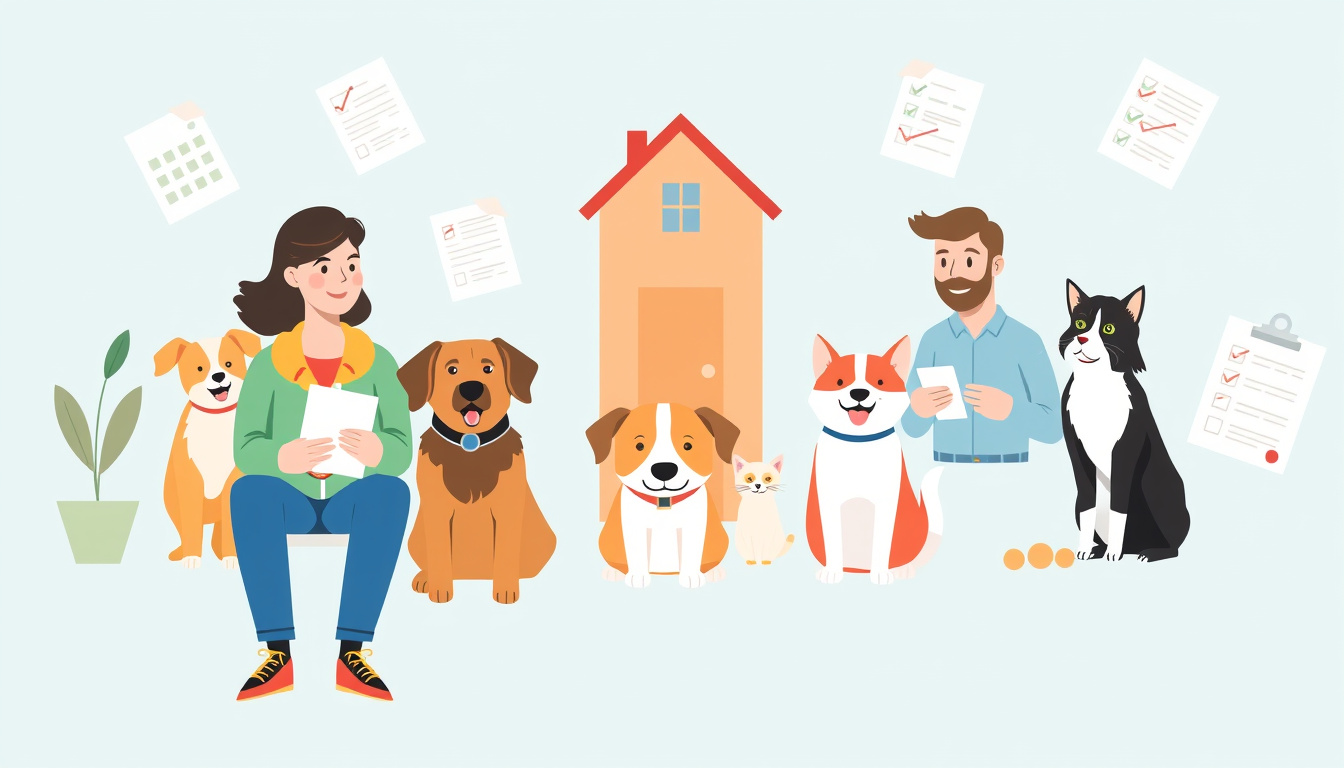
The Rising Cost of Pet Care: How Proposed Tariffs Will Impact Your Furry Friends' Expenses

The Rising Cost of Pet Care: How Proposed Tariffs Will Impact Your Furry Friends

How Proposed Tariffs Could Drive Up the Price of Pet Care for Owners Across the Country

By Amber Grigley

Posted and last updated

INDIANAPOLIS — Pet ownership grows in the U.S. Owners worry as tariffs may raise pet care costs. Tariffs hit prices on pet goods. Budgets grow tight.

Ellie Cornett lives in Indiana. She owns a King Charles Cavalier named Winston. She says, "He's less than one year old. I must buy special puppy food. It costs about $50 a bag. My puppy eats a bag each month. That cost is heavy on my wallet as a college student."

Steven Howes owns a Pembroke Welsh corgi. He adds, "My vaccination costs almost doubled." His words show that many face higher expenses.

Rover’s "True Cost of Pet Parenthood Report" states dog owners may pay 7% more next year. Cat owners may see a jump of up to 10%. These numbers worry pet lovers.

Professor Andreas Hauskrecht of the IU Kelley School of Business says pet food costs are high now. He explains that tariffs on steel and aluminum lift can prices. He adds, "Tariffs on these metals affect soft food in cans." He notes that pet food ingredients come from Mexico and Canada.

Pet owners still work hard for quality care. Steven Howes states, "Avid dog and cat lovers will not stop. I see my pet as my third child."

Professor Hauskrecht says, "We, as Hoosiers, should care. Indiana plays a big role in these supply chains." This shows tariffs affect local communities too.

Rover predicts new costs soon. By 2025, dog care may cost between $1,400 and $5,200 a year. Cat care may cost between $750 and $3,500. Rising prices remind us of the high cost of pet ownership when tariffs drive up expenses.

Pet owners now face hard choices. They call for policies that keep pet care affordable in the coming months and years.

Stay informed with the latest updates by signing up for the Breaking News Newsletter.

contact mindful ai media creations here: mindfulaimedia@gmail.com

Navigating Rising Costs: How Tariffs Will Impact Pet Care Prices and Your Budget

Navigating Rising Costs: How Tariffs Will Impact Pet Care Prices and Your Budget

How Tariffs Will Affect the Price of Pet Care

We love our pets. We care for them. Tariffs now rise. They change costs. Tariffs add tax on imports. This tax makes products cost more. It means we may pay extra for food, treats, toys, beds, and other items. We need to know these links to plan our budgets.

What Are Tariffs?

Tariffs are taxes. They stick to imported goods. They attach as a percent of an item’s price. When firms bring in goods, they pay the tariff. This fact pushes retail prices higher. Jessica Roy, a finance writer, adds that higher tariffs make companies import less. They also pass this extra cost to buyers. Many prices, much like airline bag fees, get fixed over time.

Potential Impacts on Pet Food Pricing

Pet care items may rise in price. Experts say pet food may climb slower than toys and accessories. Matthew MacLachlan tells us that the U.S. sends more pet food out than it takes in. Still, a lot of cat food comes from Thailand. Goods from China face high tariffs. In fact, tariffs on China go above 100 percent. U.S. makers may feel this pressure too if foreign buyers pay more for American goods. Then, more supply might drop prices, though delays and costs may still rise.

Experts use terms like “shrinkflation” and “skimpflation.” In shrinkflation, we get less for the same cost. In skimpflation, firms use cheaper parts. Both may come when raw costs change in pet food making. Components travel from lands abroad.

Price Increases in Pet Toys and Accessories

Pet toys and extras face steeper hikes. Ninety-three percent of pet toys come from China. This fact makes prices jump. Roy notes that in hard times, people curb extra spending. Thus, makers may find it hard to sell costly items. Hitendra Chaturvedi, a supply expert, warns that shortages may join higher prices for toys, beds, grooming tools, and more.

Rising Costs for Pet Care Services

Vet visits might hold steady for now. But costs like medicine and gear are set to rise. Tariffs push up these expenses. This rise can affect grooming, boarding, and pet insurance. Each service suffers in its own way. Supplies from abroad, like grooming tools and kennel gear, link to these costs.

Duration of Tariff Impacts

We do not know how long tariffs will last. Politics shift fast. Changes can come without a clue. Experts say that even if tariffs drop, prices may not. Eaglin sums it up: “once a price sticks, it rarely drops.” Yet, MacLachlan sees a chance for new trade deals and improved U.S. production to ease some rises.

Strategies for Cost-Saving

Pet owners can shop around. They may find lower deals for food and more. Buyers should watch for sudden price jumps or changes in product size and quality.

In the end, as tariffs loom, pet owners must recheck their spending. They work to keep the best for their pets while managing cash. Being aware of these links is key to handling pet care costs.

contact mindful ai media creations here: mindfulaimedia@gmail.com

Quick and Delicious: Mastering Gumbo with Instant Pot Shrimp and Sausage

Quick and Delicious: Mastering Gumbo with Instant Pot Shrimp and Sausage

Gumbo stands as a dish that carries the heart and soul of Southern cuisine. It is a hearty stew full of rich flavors and is served over rice. Hailing from Louisiana, gumbo runs deep in Creole and Cajun roots. Traditional recipes need long cooking times and many careful steps. The Instant Pot, however, lets you make shrimp and sausage gumbo in much less time. This modern tool is ideal for busy weeknights or a quiet weekend meal.

Understanding the Essence of Gumbo

At its core, gumbo shows bold flavors and a mix of ingredients that work closely together. Gumbo often contains a protein like shrimp, sausage, or chicken. It also includes vegetables such as bell peppers, onions, and celery—the holy trinity. Spices, stock, and sometimes a roux give gumbo its prized flavor. The Instant Pot uses pressure cooking to bring these elements close, keeping the taste of the classic dish intact.

Ingredients for Instant Pot Shrimp and Sausage Gumbo

Here is what you need for a tasty gumbo made quickly in your Instant Pot:

  • 1 pound of shrimp, peeled and deveined (fresh or frozen)
  • 1 pound of smoked sausage, sliced (like Andouille)
  • 1 onion, diced
  • 1 green bell pepper, diced
  • 2 stalks of celery, diced
  • 4 cloves of garlic, minced
  • 4 cups of seafood or chicken stock
  • 2 tablespoons of Cajun seasoning (or to taste)
  • 1 bay leaf
  • 1 tablespoon of Worcestershire sauce
  • 1 can (14.5 oz) diced tomatoes
  • Salt and pepper, to taste
  • Green onions and parsley, for garnish
  • Cooked rice, for serving

Step-by-Step Cooking Instructions

  1. Sauté the Aromatics:
    Use the sauté function on your Instant Pot. Pour a small splash of oil into the pot. Add the diced onion, bell pepper, and celery. Let them soften for about 5 minutes. Then, mix in the minced garlic and let it release its scent for another minute.

  2. Incorporate the Sausage:
    Add the sliced sausage and stir often. Let the sausage brown for 3 to 4 minutes so that its flavor spreads through the dish.

  3. Build the Base:
    Mix in Cajun seasoning, the bay leaf, Worcestershire sauce, and canned diced tomatoes. Blend these ingredients well, so they connect closely.

  4. Pressure Cook:
    Pour in the seafood or chicken stock. Seal the Instant Pot with its lid. Cook on high pressure for 10 minutes. Once done, let the pressure fall naturally for about 5 minutes. Then, perform a quick release for any remaining pressure.

  5. Final Touches:
    Open the lid and stir in the shrimp. Let the mix rest for a couple of minutes. The residual heat cooks the shrimp just right. Finish by adjusting with salt and pepper as needed.

  6. Serve and Garnish:
    Spoon the gumbo over a serving of cooked rice. Top with chopped green onions and parsley for a fresh finish.

Tips for Perfect Gumbo

  • Browning the Sausage: Brown the sausage well during the sauté step to boost the flavor.
  • Customize the Protein: Swap shrimp for chicken or add other seafood like crab if you wish.
  • Roux Mastery: If you prefer a roux, make one by cooking equal parts flour and oil until they turn a dark brown. For a quicker dish, you can skip this step in the Instant Pot.

Conclusion

The Instant Pot transforms gumbo into an accessible, fast dish while keeping close the classic flavors. This method brings together each ingredient so they support one another. Enjoy this gumbo as a family meal or a festive dish. Share your creation with people you love and treasure the true taste of Southern comfort!

Feel free to contact me here at mindfulaimedia@gmail.com

Featured Post

Navigating the Future of Healthcare: The Promises and Pitfalls of Artificial Intelligence

Artificial Intelligence (AI) appears as a threat in movies and books. Yet in healthcare, AI acts as a trusted helper. It saves lives, impr...