Wednesday, May 21, 2025

From Mechanics to Maturity: How Ryan Phillippe and Michael Cimino's 'Motorheads' Characters Grow Through Car Restoration

From Mechanics to Maturity: How Ryan Phillippe and Michael Cimino

In the vibrant world of car restoration, Motorheads is a new show that stars Ryan Phillippe and Michael Cimino. It weaves car repair with the growth of young people. The show maps a clear, close path from youth to adulthood.

A Mechanic’s Haven: Logan Maddox’s Workshop

Ryan Phillippe plays Logan Maddox, an experienced mechanic. His life shifts when his sister, Samantha, returns with her children. This change opens a stage for growth. Michael Cimino plays Zac, Samantha’s son. Logan lets Zac and his friends use his workshop to work on cars. They also feel the pull to race against their classmates.

Philippe says, “It requires commitment and patience.” He shows that car work is like martial arts. Both demand discipline and focus.

Learning Through Mistakes

Motorheads is more than physical car repair. It is a journey of learning. Michael Cimino explains that growing up comes from making mistakes. He notes, “Zac is trying to find his own path.” Racing and poor choices push him to mature.

This idea shows that even risky behavior can shape character. Cimino recalls changing brakes on a Mazda Miata. He proves that hands-on work builds true understanding.

The Path to Mastery

Both actors stress that mastery grows with practice. Cimino mentions the idea of “10,000 hours” to improve. This highlights the need for hard work and expert guidance. Phillippe agrees. Despite natural talent, he says practice is key.

He adds, “When I was a teenager and began acting, I honed my skills with persistent effort.” His words link his past work with the show’s themes.

The Mentor Role

The series invests us in Zac’s journey. Phillippe steps in as a mentor. He shares wisdom from his years in the film world. His role is like a mechanic teaching an apprentice. With humor, he compares himself to Yoda. This warm guidance mixes fun with respect.

Nostalgia and Reflection

Motorheads looks to the future through young voices and calls back to the past. Phillippe recalls his early films like Cruel Intentions and I Know What You Did Last Summer. He jokes, “I feel a little bit like a dinosaur.” He notes Hollywood’s trend of reboots. Still, he stays curious about new takes on old stories.

Conclusion

Motorheads mixes car repair with life lessons. It uses fixing vehicles as a symbol of growing up. Through Logan and Zac, the show reminds us that true growth needs guidance, practice, and learning from mistakes.

Feel free to contact me here at mindfulaimedia@gmail.com

How Rising Tariffs Could Inflate Pet Care Costs: What Every Pet Owner Needs to Know

How Rising Tariffs Could Inflate Pet Care Costs: What Every Pet Owner Needs to Know

Proposed Tariffs Raise Concerns Over Rising Pet Care Costs

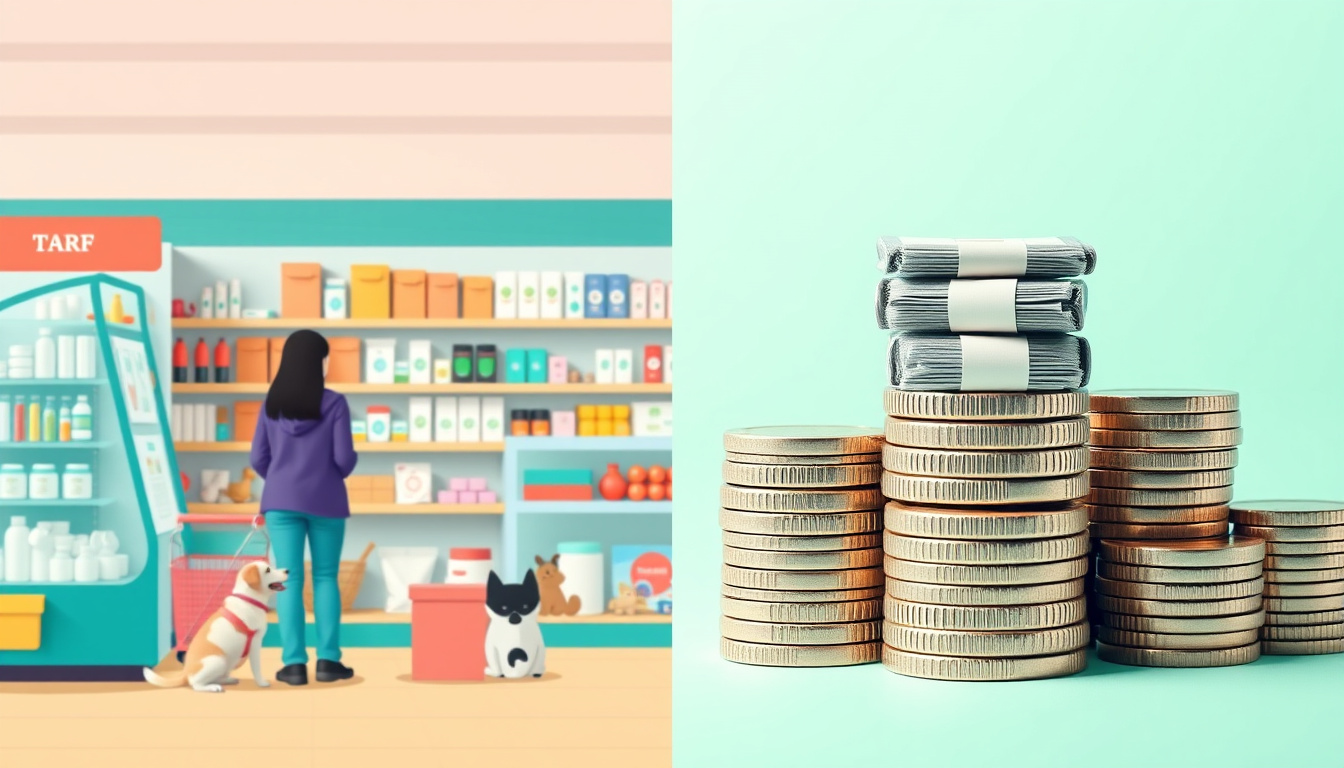
Indianapolis, IN — Pet ownership grows in the United States. This rise brings worry. Proposed tariffs may raise pet care costs. Pet owners face higher bills. Families with pets now expect even larger expenses.

Local pet owners share their struggles with rising pet care costs. Ellie Cornett says, “I own a King Charles Cavalier named Winston.” She adds, “You must buy the right pet food for a puppy. A bag costs about $50. He eats one bag each month. This price is steep for a college student.”

Steven Howes, who cares for a Pembroke Welsh Corgi, agrees. He says his pet is AKC registered. That fact makes costs high. He adds, “Even my pet’s vaccinations have almost doubled.” His words show that pet care costs have soared.

Rising Costs for Pet Owners

Rover’s “True Cost of Pet Parenthood Report” shows a 7% cost rise for dog owners. Cat owners may see costs jump 10% this year. Professor Andreas Hauskrecht of the IU Kelley School of Business says pet care costs add up. He explains, “I own several dogs. Pet food is not cheap at all.” He makes his point clear.

The tariffs may push prices higher. Hauskrecht explains, “Soft food comes in cans. Tariffs on steel and aluminum make cans more expensive.” He adds that Mexico controls part of the supply chain. This control may hurt the ingredients in dog food.

Implications for Supply Chains

Indiana has strong ties to complex supply chains. Hauskrecht says, “We, as Hoosiers, should care about this.” His words remind us that local events affect a larger economy.

Rover predicts that by 2025, dog owners will spend from $1,400 to $5,200 a year. Cat owners will pay between $750 and $3,500. These sums add pressure for many families with four-legged friends.

Even as expenses climb, pet owners stay true to their care. Howes concludes, “If you know dog or cat lovers, nothing stops us from spending. It is like having children; my pet is my third kid.”

As news of the tariffs grows, pet owners will watch closely. They will see how budgets and pet care prices change.


For up-to-date news and insights, subscribe to our Breaking News Newsletter. Stay informed about developments that matter to you and your community.

contact mindful ai media creations here: mindfulaimedia@gmail.com

Empowering Healthcare for All: How doc.ai is Revolutionizing Medical Research

Empowering Healthcare for All: How doc.ai is Revolutionizing Medical Research

In healthcare, technology and people come together. Doc.ai shows how research can change when patients have more control. They use AI and smart data tools to give you power in your health journey.

Defining doc.ai

Doc.ai works for a new kind of medical research. In old research, experts ruled and patients were only subjects. Now, doc.ai lets you own your own health data. You pick which studies to join using a simple mobile app. This change puts you at the center.

The Role of Artificial Intelligence

AI drives doc.ai forward. It helps collect and use data in ways that feel natural. The app uses common phone tools like cameras, voice commands, and chatbots. You can store important health details on your device. Techniques like federated learning and differential privacy keep your data safe while still learning from the whole group.

A Holistic Approach to Data Collection

Doc.ai gathers many kinds of health information. It collects genetic data, medical records, pharmacy details, and even environmental factors known as exposomics. By linking genetics, lifestyle, and location, doc.ai builds a full picture of your health. The app stresses clear consent and privacy rules. You decide what to share and how it is used. This approach builds trust and invites more patients to join in research.

The Future of Healthcare Participation

Traditional healthcare can miss key data for new treatments. With doc.ai, patients actively share and learn from their data. This model helps fill data gaps and boost research. More participation means better insights into diseases and treatments. It is a move toward inclusive research that can improve health for all.

Conclusion

Doc.ai reshapes what it means to take charge in healthcare. By letting you control your health data and join studies, they break old patterns and build new ones. As tech and medicine work more closely together, platforms like doc.ai make healthcare more informed, dynamic, and fair.

contact us @mindfulaimedia@gmail.com

Brace Yourself: 16 Popular Brands Hike Prices Due to Tariffs - What You Need to Know!

Brace Yourself: 16 Popular Brands Hike Prices Due to Tariffs - What You Need to Know!

Brands Adjust Prices in Response to New Tariffs

Brands face new tariffs. They now raise prices. A 10% tariff applies to all foreign imports. A 30% tariff applies to items from China. Companies adjust prices to cover their higher costs.

The Impact of Tariffs on Pricing

Tariffs touch many parts. They affect imported goods, packaging, materials, and ingredients. Even when a brand makes products at home, some parts still come from abroad. Some companies bear these costs. Others pass them on to you. Expect higher prices on many items.

Consumers should act fast. Buying sooner may help you avoid even higher costs later. Tariffs might extend beyond their 90-day pause. Price changes could continue.

Key Brands Raising Prices

Some brands have already raised prices. More changes may come during tariff talks. Here are examples:

Home and Kitchen Products

  1. Windmill: This brand makes AC units, purifiers, and fans. It raised prices on its products. Users can control smart home devices by app.

  2. Stanley Black & Decker: This company raises prices on tools and home products. More increases may come this year. It is wise to buy needed items soon.

  3. Uppababy: Known for baby products like strollers and car seats, Uppababy raised prices on May 5. For example, the Aria car seat costs $499 now.

  4. Diggs: This pet product brand raised prices on May 2. The Diggs Revol Crate—a collapsible dog crate—is now $499. ### Apparel, Footwear, and Accessories

  • Ana Luisa: This jewelry brand raised prices on some items on April 9. The brand offers tarnish-resistant, hypoallergenic jewelry that many praise.

Consumer Guidance

Tariffs keep changing prices. Consumers must watch their spending. Whether you buy home products, pet items, or fashion, act soon. Staying alert may help you save money. As tariffs press on, keeping up to date with news helps you choose the best deals.

contact mindful ai media creations here: mindfulaimedia@gmail.com

Tuesday, May 20, 2025

Understanding the Impact of Tariffs on Pet Care Costs: What You Need to Know to Protect Your Wallet

Understanding the Impact of Tariffs on Pet Care Costs: What You Need to Know to Protect Your Wallet

How Tariffs Will Affect the Price of Pet Care

By Laura Bradley
May 14, 2025

Many pet owners love to treat their furry companions. New trade rules now force them to think again about their spending. Tariffs, which are taxes on imported goods, now raise the cost of pet food, treats, toys, and even veterinary care.

Understanding Tariffs and Their Impact

A tariff is a tax. It targets goods that come from abroad. The tax is a percentage of the item’s value. Domestic companies pay this cost when they import goods. Jessica Roy of the San Francisco Chronicle explains that companies face two choices. They can import less. Or, they can raise prices to cover tariffs. Once prices get higher, they rarely drop back.

Roy offers a familiar case. Not long ago, checking a bag on airplanes was free. Airlines now charge a fee because higher gas prices forced them to pay more. Even after gas prices fell, the fees stayed. In another example, car prices climbed during the COVID-19 pandemic when semiconductors were scarce. In 2022 and 2023, grocery prices rose because of inflation. We can expect pet care prices to follow a similar path.

Analyzing Price Increases in Pet Care Products

Pet Foods: A Mixed Bag

Pet food costs are set to rise, but not as sharply as toy prices. Matthew MacLachlan from Charles H. Dyson School explains that the U.S. exports much more pet food than it imports. Premium and specialized brands are strong at home. However, brands that rely on foreign ingredients – such as those from China – feel tariffs badly.

The cost of raw materials plays a role. Mexican corn meal and other supplies may cost more when trade rules change. Machinery, uniforms, and transport parts also come from abroad. These parts add to costs in a chain reaction. Consumers must compare prices more often. They should watch for "shrinkflation" when package sizes drop, and "skimpflation" when quality falls.

Pet Toys: A Cause for Concern

Pet toy prices face steep increases. Ninety-three percent of pet toys in the U.S. come from China. Last year, imports hit $721 million. Tariffs now hit these low-priced items hard. Many shoppers expect low prices and may resist paying more.

Manufacturers may cut back on stock. This forces a choice: fewer options in stores. As Roy puts it, “It’s not like we have a bunch of factories sitting empty.” U.S. factories may run at full capacity, limiting production.

Increased Costs Across Pet Services

Higher costs for supplies may nudge veterinary charges higher. Christopher Eaglin from Duke University notes that rising expenses for medical supplies can increase operating costs. Groomers, kennels, and insurers also use foreign-made items. These extra costs may lead to higher prices for pet care services.

Will Tariff Price Increases Persist?

The future of tariffs stays unclear. Roy notes that economic conditions can change quickly. New policies may shift with different leadership. Eaglin suggests that even if tariffs drop, higher prices might stick. Once prices rise, they tend to settle at the new level.

MacLachlan adds hope. He says that new trade ties or stronger domestic production can ease cost pressures. Adjustments in supply chains might soften the impact.

Strategies for Consumers to Mitigate Costs

Pet owners must get ready for cost hikes. They can compare prices and check for changes in product sizes or quality. As tariffs change the market, consumers need to stay flexible. Knowing what to expect helps pet owners protect their budgets.

Pet owners will have to tweak their spending plans. They must ensure that their companions still get the best care. Despite a shifting economy, careful choices can keep pet care affordable.

contact mindful ai media creations here: mindfulaimedia@gmail.com

Pet Ownership at Risk: 52% of Owners Fear Tariffs Will Make Caring for Pets Too Costly

Pet Ownership at Risk: 52% of Owners Fear Tariffs Will Make Caring for Pets Too Costly

Concerns Grow Among Pet Owners Over Rising Costs Amid Tariff Threats

SEATTLE — A report shows that over half of U.S. pet owners worry. They fear that new tariffs will push pet costs even higher. Inflation adds strain to family budgets, so many struggle to pay for pet care and supplies.

Rover’s "True Cost of Pet Parenthood Report 2025" says 28% of pet parents feel anxious. The survey asked 1,000 pet owners. It shows costs from the moment of adoption to care throughout a pet’s life.

Rising Financial Burden of Pet Care

Pet care costs can overwhelm families. Rover finds that a ten-year-old dog costs around $34,550 in a lifetime. A sixteen-year-old cat may cost roughly $32,170. As pets live longer, costs grow too. Treats and chews may jump by 85%. Vet services might rise by 11%. Cleaning supplies can go up by as much as 183%.

Dr. Rebecca Greenstein, a veterinarian and Rover pet panelist, explained, "I see pet parents every day. They worry about higher pet costs, but they never lose their love for their pets." She stressed that careful budgeting and preventive care help keep pet care manageable.

Changing Consumer Behavior

The survey finds that pet owners are buying differently. About 69% spend most of their money on pet food and treats. One in four has chosen cheaper options. Still, 68% look for pet products that match the quality they want. Even with high costs, 34% say pet spending is one of the last expenses they would cut. Thirty-three percent report cutting back on groceries and entertainment to care for their pets.

The Canadian Perspective

Canadian pet owners face similar challenges. Dog owners there might spend up to $53,935 during a pet’s life. Cat owners could spend around $73,585. Annual costs range from $930 to $4,020 for dogs and from $930 to $2,400 for cats. More Canadian owners (55%) now prefer locally made pet products, even if prices are higher.

Inflation and tariff worries force both U.S. and Canadian pet owners to brace for more expensive pet care. They now must make tough choices to support their furry friends.

For more insights, read Rover's full report on the True Cost of Pet Parenthood.

Stay updated on trends and news in the pet food processing industry on our news page.

contact mindful ai media creations here: mindfulaimedia@gmail.com

Unleashing the Truth: Rover's 2025 Report Reveals Rising Costs of Pet Parenthood and Pet Parent Concerns

Unleashing the Truth: Rover

Rover Releases True Cost of Pet Parenthood Report for 2025

SEATTLE, March 18, 2025 (GLOBE NEWSWIRE) – Rover leads online pet care. It released its sixth True Cost of Pet Parenthood Report. The report shows clear links between pet care and costs. It draws from real pet parent voices.

Rising Costs for Pet Parents

Inflation and tariffs push prices up. Dog owners pay 7% more. Cat owners may spend up to 10% above last year. A 10‑year dog costs about $34,550. A 16‑year cat costs around $32,170. Prices depend on breed, size, health, and life span. Cats live longer. This link makes care a long-term cost.

Impact of Inflation and Tariffs

Prices now climb sharply. Veterinary services jump by 11%. Cleaning supplies rise by 183%. Grooming items go up 20%. Treats and chews see an 85% increase. Twenty‐eight percent of pet parents worry about paying, and 52% fear tariffs add more cost.

Adoption Costs Decrease

Adoption fees drop from 2024 numbers. A new dog costs between $1,150 and $4,420. A new cat costs from $750 to $2,715. Shelter adoptions stay the best deal. They cover shots and spaying or neutering. For dogs, fees drop by 19% and for cats by 16%.

Financial Preparedness and Responsibility

Dr. Rebecca Greenstein, a pet panelist and veterinary hospital owner, stresses planning. She says saving money and keeping a clear budget lightens costs. Regular checkups and vaccines also help keep care manageable.

Key Findings from the Report

Rover gathered views from 1,000 U.S. pet parents in February 2025. Key points emerge:

• Pet Growth and Affordability:
 - 20% adopted a pet in 2024.
 - 33% plan to add a pet in one year.
 - 53% found adoption fees match their budget.
 - 27% faced fees that were higher than expected.

• Concerns Over Affordability:
 - 48% worry about rising pet care costs over a pet’s life.
 - 52% fear tariffs will drive prices higher.

• Budgeting Tactics:
 - 69% spend most of their budget on food and treats.
 - 33% cut spending elsewhere to cover pet costs.

• Planning for the Future:
 - 21% include their pets in their wills.
 - 40% are thinking of doing so.
 - 44% wish for more tax breaks for pet expenses.

• Approaches to Cost Management:
 - 31% save money for unexpected pet expenses.
 - About one third view pet insurance as a smart buy.

Cost Variance by Location

Pet care costs differ across the U.S.
Parsons, KS and Lawton, OK show lower costs.
Manhattan, NY and San Francisco, CA pose higher expenses.
For full details on 2025 costs and a complete list of cities, visit Rover’s website.

About Rover

Founded in 2011 and based in Seattle, Rover links pet parents with caregivers. It offers services from dog walking to overnight care. Discover more at www.rover.com.

For media inquiries, contact:
Kristin Sandberg
Email: pr@rover.com
Phone: 360-510-6365


The report not only shows pet costs but also the deep bond between pets and parents. It helps future pet owners get ready for the journey ahead.

contact mindful ai media creations here: mindfulaimedia@gmail.com

Featured Post

Navigating the Future of Healthcare: The Promises and Pitfalls of Artificial Intelligence

Artificial Intelligence (AI) appears as a threat in movies and books. Yet in healthcare, AI acts as a trusted helper. It saves lives, impr...