Friday, May 30, 2025

Rising Costs of Pet Ownership: 52% of Owners Fear Tariffs Will Make Caring for Pets Unaffordable

Rising Costs of Pet Ownership: 52% of Owners Fear Tariffs Will Make Caring for Pets Unaffordable

Report Reveals Concerns Over Pet Ownership Affordability Due to Tariffs

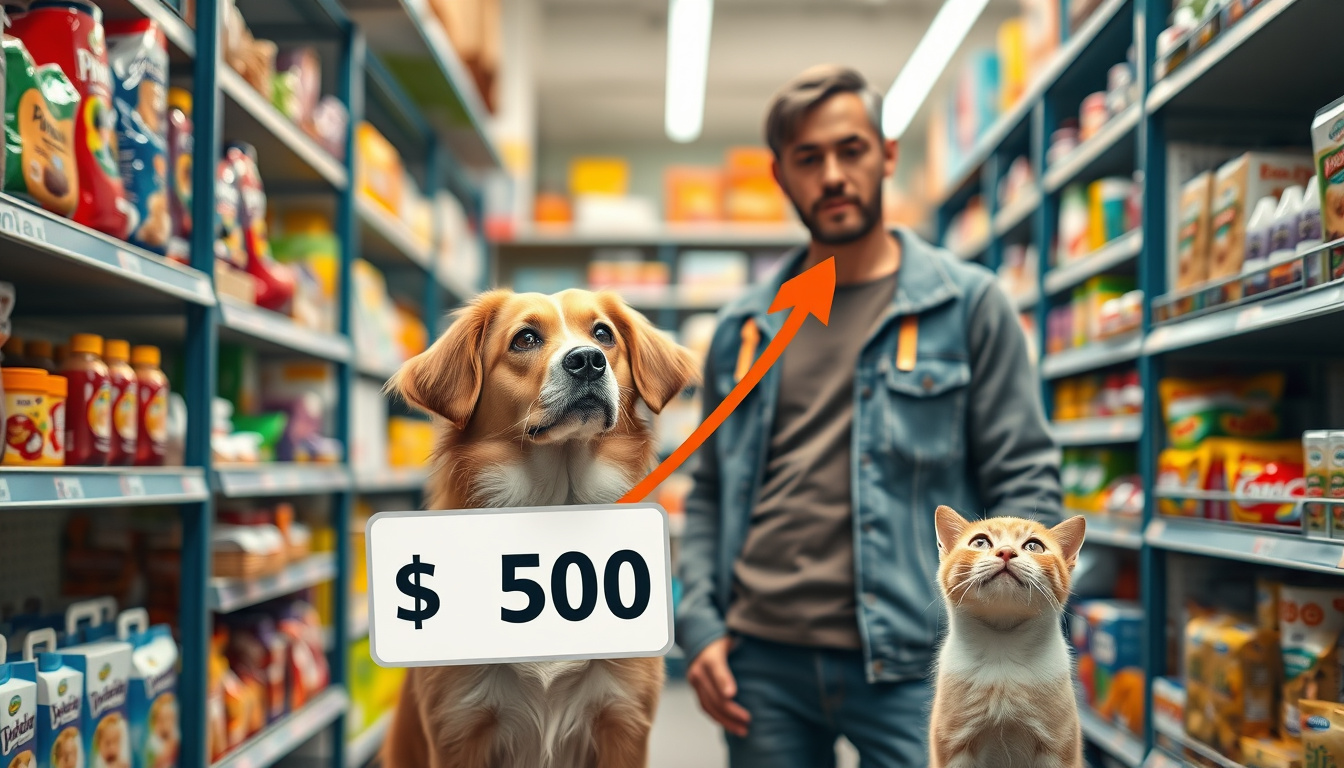
SEATTLE — March 20, 2025 — A new report shows that many U.S. pet owners worry about rising pet care costs. Pet owners worry because tariffs may send prices up further. Inflation also makes it hard for many families to care for their pets.

Rover’s “True Cost of Pet Parenthood Report 2025” found that 28% of pet owners feel anxious over paying for basic pet needs. They worry even more if tariffs hit imports. The report gathered views from 1,000 pet parents in the United States and looked at start-up and ongoing pet care costs.

Dr. Rebecca Greenstein, a Rover pet panelist and owner of Kleinburg Veterinary Hospital, said, “Every day, I see pet parents face two truths. They worry about rising pet care costs, but they also show deep loyalty to their pets.” She urged owners to plan their finances well, set clear budgets, and save regularly for pet care costs.

Impact of Rising Costs on Pet Owners

The report shows that pet care can cost a lot over time. For example, a dog that lives for 10 years may cost about $34,550. A cat that lives 16 years may cost around $32,170. As pets live longer, their owners must plan for more expenses. Tariffs and inflation make things harder. Pet parents may see an 85% price rise on treats and chews, 11% on veterinary services, and even 183% on cleaning supplies.

Nearly half (48%) of pet owners worry about these rising costs. About 31% say pet product prices grow faster than those of groceries and other household items.

Budgeting Decisions Among Pet Owners

The research shows that 69% of pet owners spend the most on food and treats. As prices rise, 25% have switched to cheaper pet foods or services. Still, 68% stick with products that meet high quality standards, and 20% even choose better-quality items.

In tough times, 34% of pet owners say they will trim spending last when it comes to their pets. To meet pet needs, 33% also lower spending on groceries or entertainment.

Canadian Pet Owners Face Similar Challenges

Rover’s report also looked at Canadian pet owners. In Canada, pet care is even more expensive than in the U.S. A Canadian cat may cost up to $73,585 over its lifetime. A Canadian dog may cost over $53,935. Yearly, Canadian owners spend from $930 to $4,020 on dogs and from $965 to $2,400 on cats.

With tariff threats, 55% of Canadian pet owners now choose Canadian-made pet products, even if they cost more. Among these, 57% of dog owners prefer local products, while 52% of cat owners do the same.

Conclusion

Inflation and uncertain tariffs have put pressure on pet owners in the U.S. and Canada. They try hard to care for their pets despite higher costs. Understanding these cost trends is key, as caring for pets remains a cherished duty even when expenses rise.

For more insights, access the full "True Cost of Pet Parenthood Report 2025" by Rover. Stay informed on the latest news in the pet food processing industry by visiting our news page.

contact mindful ai media creations here: mindfulaimedia@gmail.com

Brace Yourself: 16 Popular Brands Hiking Prices Due to Tariffs—What You Need to Know!

Brace Yourself: 16 Popular Brands Hiking Prices Due to Tariffs—What You Need to Know!

16 Brands Raising Prices Due to Tariffs: What You Need to Know

Sixteen brands now raise their prices. They do this because new tariffs push up their costs. A 10% tariff hits all imports. A steep 30% tariff goes on goods from China. Brands face a cost gap. They pass some of this cost to buyers.

Understanding the Impact of Tariffs

Tariffs are taxes on imports. They change how companies set prices. Companies now pay more for finished goods. They also pay more for raw parts, packaging, and components. Even local makers see price rises because their materials come from abroad.

As a result, brands must act. Some absorb a part of the tax. Yet, consumers soon see higher prices.

List of Brands Raising Prices

Here is a roundup of brands with new prices due to tariffs, along with key products:

  1. Jolie:

    • Product: Filtered Showerhead
    • Old Price: $161
    • New Price: $165
  2. The Windmill:

    • Product: Window Air Conditioner
    • Old Price: $379.99
    • New Price: $319.99 (currently on sale)
  3. Stanley Black & Decker:

    • Product: Cordless Drill/Driver + 59 Piece Project Kit
    • Price: Increased to about $95
  4. Diggs:

    • Product: Revol Collapsible Dog Crate
    • Price: $499
  5. Coterie:

    • Product: Monthly Diaper Box
    • Old Price: $100.50
    • New Price: $105.50

Considerations for Consumers

If you plan to buy from these brands, think fast. Prices might rise again as tariffs stay until at least July. Watch for any price change. Buying now for essential items could save you extra cost later.

Future Outlook

The economy shifts as tariffs affect trade. Many brands have raised prices. More price changes may come. Companies may review their cost plans in light of trade rules.

In short, stay alert about tariffs and their effect on product costs. Keep an eye on prices to plan your purchases well. Coupons and sales might help you save before more hikes occur.

contact mindful ai media creations here: mindfulaimedia@gmail.com

Exploring Opportunities: A Deep Dive into Careers at WellHaven Pet Health

Exploring Opportunities: A Deep Dive into Careers at WellHaven Pet Health

The veterinary field shines as a place for those who love caring for animals. At WellHaven Pet Health, support and community bind every team member. Here, skilled professionals work side by side. They make a difference for pets and their owners. In this article, we look at career paths at WellHaven and listen to staff share their journeys in veterinary medicine.

A Passion for Care

Dr. Troy Schlines stands as the Principal Doctor at WellHaven. His childhood in Iowa, where animals filled his days, pushed him to help injured wildlife. This early care set his lifelong path. Volunteering in clinics then gave him a deep grasp of the work. His steps now join a larger chain of care that guides his every move.

Likewise, Kristen Arestegui-Skalbeck works as a Veterinary Assistant at WellHaven. At 49, she chose a new life path and returned to school. Graduating at 49, she shows that skill and grit build each step forward. Her journey tells us that passion and persistence link dreams to success.

Educational Pathways and Required Skills

Entering the field calls for a strong base in science and clear speech. Dr. Schlines notes that biology and chemistry build the core. Communication with clients and team members builds trust. As pets come in feeling unwell, each word and touch guides owners and calms fears.

Arestegui-Skalbeck adds that math skills link to daily tasks, from dosage checks to financial care. Empathy bonds caregivers to both pets and their emotions. Calmness keeps the pace steady when stress fills the room. Each careful step helps both pet and person.

Overcoming Challenges

Veterinary work brings its own hurdles. Dr. Graham, a veteran with 30 years of practice, recalls her early days in a field long led by men. Being one of few women, she broke through each barrier. Each challenge met a steady will. She faced doubts, earned her degree, and shone with skill.

Arestegui-Skalbeck recalls her past as a Certified Nursing Assistant. Facing bias did not break her chain of care. Each experience built her strength. Her journey links past struggles to a bright future in animal care.

The Rewards of Veterinary Work

Caring for animals brings pure joy. Dr. Schlines feels joy when pet owners smile at the sight of a healthy pet. Each cheerful reunion links care to real impact. He finds delight in every pet that leaves healthier and happier.

Arestegui-Skalbeck and Dr. Graham share this joy. Each recovery builds a bond that nurtures both pet and caregiver. Their work shows that a healing bond can be as strong as any technical skill.

Mentorship and Support

The community of veterinary care links each mentor to their students. Dr. Schlines and Arestegui-Skalbeck stress the need to spot and nurture talent. Each teacher, each mentor, forms a bridge for growth. Their stories link past wisdom to a brighter future in care.

Conclusion

WellHaven Pet Health stands as proof of many career paths in veterinary medicine. Education, clear talk, and a caring spirit bind each member here. The stories of Dr. Schlines, Arestegui-Skalbeck, and Dr. Graham remind us that dedication, resilience, and love for animals create a fulfilling path. This work links healing to lasting bonds with pets and their owners. Each step in veterinary care brings new hope, and each link builds a career of true reward.

contact us @mindfulaimedia@gmail.com

Unleashed: Rover's 2025 True Cost of Pet Parenthood Report Exposes Rising Expenses and Trends for Pet Owners

Unleashed: Rover

Rover Releases True Cost of Pet Parenthood Report for 2025

Seattle, WA – March 18, 2025 – Rover is the world’s largest online pet care marketplace. Rover today released its sixth annual True Cost of Pet Parenthood Report. The report gives clear insights. It shows that pet costs now rise.

Rising Costs for Pet Parents

The report says dog owners face a 7% cost rise in 2025. Cat owners may see a 10% jump. A 10-year-old dog may cost about $34,550 over its life. A 16-year-old cat may cost around $32,170. Factors like breed, size, health, and lifespan matter.

Inflation pushes prices higher. New tariffs add pressure too. Veterinary fees may climb by 11%. Pet cleaning supplies jump by 183%. Grooming supplies go up by 20%. Treats and chews cost 85% more than before. More than 28% of pet owners worry over these rising prices.

Adoption Costs Decrease

Adoption costs become lower while other costs rise. In 2025, adopting a pet is cheaper than in 2024. The cost to adopt a dog now ranges from $1,150 to $4,420. The cost for a cat ranges from $750 to $2,715. Many shelters include vaccines and spay or neuter services with adoption. The extra services lower overall costs. Adoption prices dropped by 19% for dogs and 16% for cats.

Pet Parenthood Financial Concerns

Dr. Rebecca Greenstein is Rover’s Pet People Panelist. She also owns the Kleinburg Veterinary Hospital. She said, “I speak with pet parents every day. They all share concerns about rising costs. Their love for their pets remains strong, though. They know that careful budgeting and preventive care help ease these costs.”

A survey of 1,000 U.S. pet owners found: • 48% worry about the lifelong costs of their pets.
• 52% fear that new tariffs will add to the expenses.
• 31% see pet product prices rising faster than other goods.

Budgeting Strategies for Pet Care

Many pet owners plan their budgets carefully. Sixty-nine percent focus much of their money on pet food and treats. Thirty-three percent have cut spending on groceries or entertainment. Twenty-five percent switch to less expensive pet food or services. Even so, 34% say that pet care is one of the last expenses they would reduce. Sixty-eight percent prefer to choose quality items that they also value for themselves or their families.

Planning for the Future

Many are planning ahead for pet emergencies. Twenty-one percent now include their pets in estate plans. Another 40% are thinking about doing the same soon. Additionally, 44% would welcome more tax benefits for pet ownership, such as credits or deductions.

City-Specific Cost Variations

Pet care expenses also change by location. Some cities are more affordable than others. For example, Parsons, KS, and Lawton, OK, are easier on the budget. In contrast, Manhattan, NY, and San Francisco, CA, are among the most expensive. These differences greatly shape how pet owners plan their finances.

Conclusion

Rover’s True Cost of Pet Parenthood Report serves as a vital guide. It helps pet owners understand and manage financial challenges. For full details—including lists of the most and least expensive cities for pet care—visit Rover’s website.

For more information about Rover and its services, please visit www.rover.com.

Contact: Kristin Sandberg
pr@rover.com
360-510-6365

(Photo accompanying this announcement is available at the related news link.)

contact mindful ai media creations here: mindfulaimedia@gmail.com

The Rising Cost of Pet Ownership: How Tariffs Are Impacting Families and Animal Shelters

The Rising Cost of Pet Ownership: How Tariffs Are Impacting Families and Animal Shelters

Tariffs Add to Rising Cost of Pet Ownership, Shelters Brace for Surrenders

By Lauren Avenatti
Iowa City, Iowa – May 1, 2025

Pet costs grow. The government adds tariffs. Families in the United States feel this pain. Forbes shows a 10‐year dog costs about $34,550. A 16‐year cat costs near $32,170. These numbers stand firm.

Devon Strief works at the Iowa City Animal Care and Adoption Center. She found the numbers shocking. “The number was actually really mind-blowing to me,” she said. Her words show a strong pet cost link.

Impact of Tariffs on Pet Care Costs

Tariffs join a broader economic plan from President Donald Trump’s time. Pet supply costs rise. Many families face hard truths. Some may soon find pet care out of reach.

Darlene Olshansky, a long-time volunteer, noted: “People often get pets without fully acknowledging the expenses that come with them. Once they realize the financial demands, many dogs and cats end up in shelters.” Her words show a clear cause and effect.

Shelters Brace for Increased Surrenders

Shelters see more pet surrenders today. Strief points out that job loss and housing stress make pet care hard. “They need vet care and food. Adding more costs makes problems worse for our community,” she stressed.

The Iowa City Animal Care and Adoption Center now sees these strains. Strief urges new pet owners to study long-term pet costs. “Shelters and rescues are full of animals. They lack the cages or kennels to keep them humanely long-term,” she said. Her words show worry for both pets and staff.

A Call to Action for Potential Pet Owners

The center asks new pet owners to check both the start-up cost and ongoing costs for food, healthcare, and more. Shelters are already full. Pet owners must act with care and give a safe home.

Rising pet costs and a shaky economy bring a hard test for animal care. Many families now face costs that might endanger pet welfare. With smart plans and clear choices, we can help protect our pets in these tough times.

contact mindful ai media creations here: mindfulaimedia@gmail.com
Rising Tariffs and Their Impact on Pet Care Costs: What Pet Owners Need to Know

Rising Tariffs and Their Impact on Pet Care Costs: What Pet Owners Need to Know

Proposed Tariffs Threaten to Increase Pet Care Costs Nationwide

By Amber Grigley
Posted [Date]

INDIANAPOLIS – Pet ownership grows across the United States. Tariffs proposed by the Trump administration worry many pet owners. They fear costs for pet care will rise. Households with pets now plan tighter budgets.

Ellie Cornett is a college student. She owns a King Charles Cavalier named Winston. She says, "You need special food for a puppy. It costs about $50 a bag. He uses one bag a month. That is a big cost when you are a student."

Steven Howes owns a Pembroke Welsh corgi. He notes, "He is AKC registered, so his costs are high. Even his vaccinations have nearly doubled." His words show that pet care comes with heavy costs.

A USA Today report, called Rover’s “True Cost of Pet Parenthood Report,” shows dog owners may face a 7% increase in their annual pet care costs. Cat owners might see a 10% rise. These numbers add to the worry many owners feel under these new tariff plans.

Professor Andreas Hauskrecht, who teaches business economics, explains more. He says, "Soft food comes in cans. Cans cost more now because tariffs hit steel and aluminum." He adds, "Many ingredients for dog food come from Mexico and Canada, which makes these supply chains complex."

Many pet owners still care deeply for their animals. Steven Howes adds, "True dog lovers will not stop caring. Owning a pet is like having a child; he is my third kid." His words show that love for a pet often outweighs cost.

Hauskrecht reminds Hoosiers to pay attention. "Indiana plays an important role in these complicated supply chains," he adds.

Rover predicts that by 2025, caring for a dog may cost between $1,400 and $5,200 per year. Cat care might cost from $750 to $3,500 annually.

As talks about tariffs continue, pet owners watch closely. They work to balance love for their pets with the strain on their budgets.

contact mindful ai media creations here: mindfulaimedia@gmail.com
The Team Behind the Comeback: How Chris Sale Reclaimed His Ace Status with Support from Teammates

The Team Behind the Comeback: How Chris Sale Reclaimed His Ace Status with Support from Teammates

In professional sports, talent shines when it joins support. Chris Sale, the Braves’ ace, shows that team help boosts form. Sale uses advice and new data closely. His teammates and coach work with him; each word and tip links as clear nodes in a tree.

Earlier in the year, Sale hit a rough patch. He posted a 6.75 ERA in his first few games. Then he met the Phillies on May 29. Sale took the mound after close talks with teammates. Soon, his ERA dropped to 3.06. His change grew from small, linked adjustments, each stemming from trusted advice.

Coach Rick Kranitz started the shift. He focused on Sale’s mechanics. Kranitz watched Sale’s arm angle drop below what was ideal. Using a simple skeletal model, he pointed a clear path. Sale took this feedback as the head of change. He adjusted his delivery step by step.

Two teammates, Spencer Schwellenbach and Grant Holmes, joined in. In bullpen talks, they shared new metrics with Sale. Before, Sale had stayed away from numbers. Spencer saw that Sale’s fastball had changed its vertical break. Sale then shifted the spin and arm angle. These small moves, linked like branches, improved the pitch.

Sale found new terms hard. Words like spin axis and metrics stood out as foreign. Yet every term linked him closer to success. As Spencer explained, the fastball’s spin and path tied together. Sale made adjustments based on that clear link. Soon, his fastball spun in the perfect direction. The pitch moved well, as if every node fit its place.

More than a technical fix, Sale’s work stressed team strength. His comeback shows that advice and shared work make success real. He did not stand alone; teammates carried him like links in a chain. His journey teaches that even top athletes win when they listen and connect.

This story fits modern sports. Pride and self-reliance must join collaboration and advice. Sale felt doubt after a poor outing against the Rays. He even said he felt like the worst player. Yet, his well-informed teammates back him up. Their support built strong links that helped him push forward.

Sale now sees teamwork as the head of his progress. “It takes a village,” he said, stressing that a win is a shared node. His rise from early struggles to ace status shows great talent and deep connection. Each teammate links to the next; every action builds on the last.

This journey is a clear map of support. At every branch of a high-performing team, each word, advice, and signal matters. Chris Sale’s return tells us that, in baseball and in life, the closest links bring the mightiest wins.

Feel free to contact me here at mindfulaimedia@gmail.com

Featured Post

Navigating the Future of Healthcare: The Promises and Pitfalls of Artificial Intelligence

Artificial Intelligence (AI) appears as a threat in movies and books. Yet in healthcare, AI acts as a trusted helper. It saves lives, impr...