Thursday, May 29, 2025

Rising Costs and Tariffs: Half of Pet Owners Fear Pet Parenthood May Become Unaffordable

Rising Costs and Tariffs: Half of Pet Owners Fear Pet Parenthood May Become Unaffordable

Pet Ownership Costs on the Rise: New Report Reveals Concerns Among Pet Owners

By Nicole Kerwin, Pet Food Processing

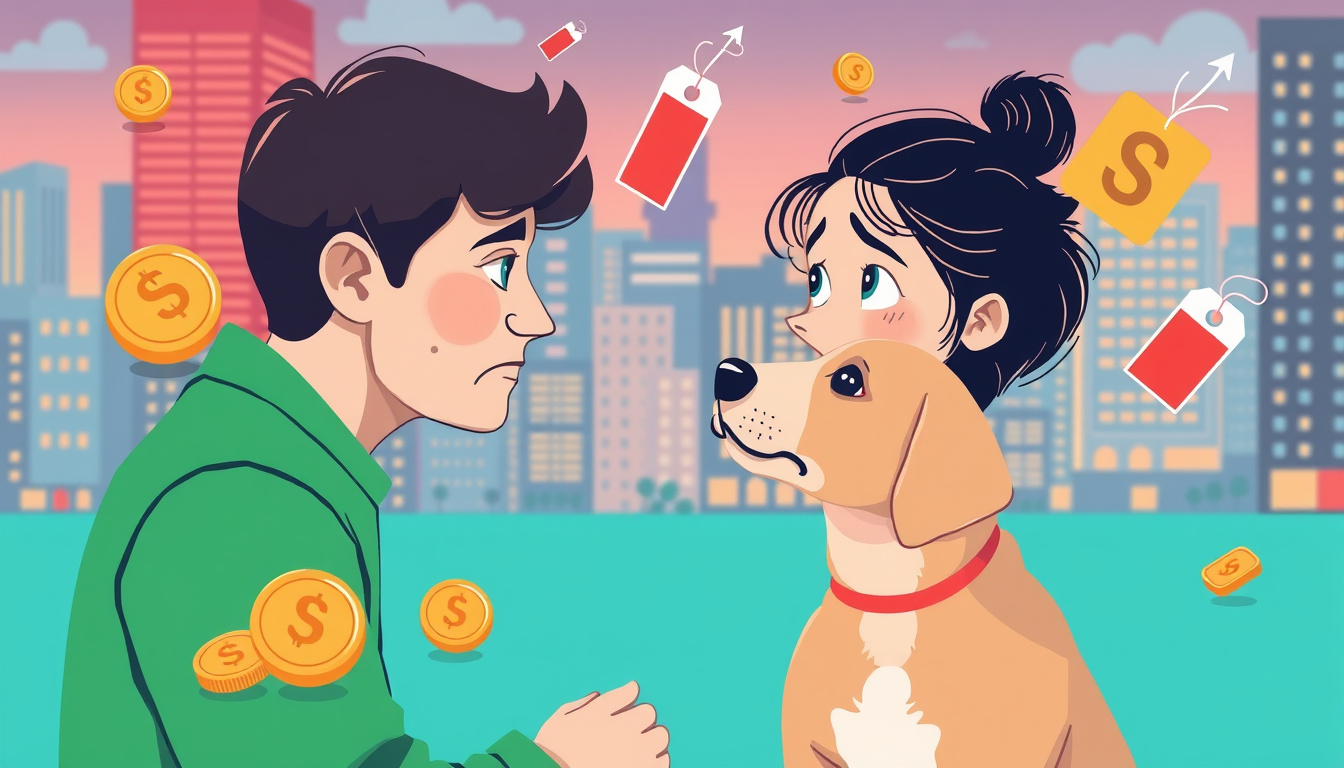
Seattle – March 20, 2025 – A new report by Rover shows that pet ownership costs are growing. The survey of 1,000 pet parents finds that 52% worry that tariffs will raise the cost of care. Inflation also adds to their stress. Each word connects tightly to its subject and verb to keep the meaning clear.

Pet prices continue to rise. Many pet owners now feel budget strain. Twenty-eight percent of them worry about buying essential pet products. This fact ties cost and care closely for pet owners.

Rebecca Greenstein, DVM, and Rover pet panelist, explains the rising costs. “I work daily with pet parents. I see that higher expenses worry them. Yet, pet love binds them to their pets,” she said. She urges planning and saving. Her advice is simple: Set a clear budget and save for pet care.

The report also connects the initial cost of getting a pet with future expenses. It shows that a ten-year-old dog may cost around $34,550 in a lifetime. A 16-year-old cat might cost near $32,170. Longer pet lives bring a chain of increasing expenses.

Inflation and tariffs are especially hard. Owners may spend 85% more on treats, 183% more on cleaning supplies, and 20% more on grooming services. Almost half (48%) of pet parents worry about these rising costs. Thirty-one percent note that pet products now cost more than other goods.

Budgeting for Pets: A Balancing Act

Rover’s study shows that pet food and treats now take up most pet budgets. Sixty-nine percent of owners spend most of their money here. To reduce costs, 25% choose cheaper pet food. Still, 68% demand quality that matches their own standards. In fact, 20% look for even higher quality items despite cost pressures.

Many pet owners keep spending on their pets. Thirty-four percent say they would cut other expenses before reducing pet care spending. One in three even cuts back on groceries and fun money to care for their pets.

Insights from Canada: A Broader Context

Rover surveyed pet owners in Canada as well. Their costs are even higher. Cat parents may pay up to $73,585 in their lifetime, and dog parents up to $53,935. Annual costs vary from $930 to $2,400 for cats and $965 to $4,020 for dogs. Canadians expect dog care costs to rise by 18% and cat care by 41% soon.

To handle higher prices, 55% of Canadian pet owners now choose products made in Canada or found locally. Dog owners lead this trend at 57%, while 52% of cat owners follow.

Conclusion: A Need for Awareness and Preparedness

Tariff talks and inflation keep pet owners on their toes. They need to mind their budgets and connect their expenses with care needs. Rover’s report reminds us that pet care is a close tie of love and cost. It urges pet owners to plan ahead and manage their funds carefully.

For more details, view Rover’s full report. Stay updated on trends in the pet food processing industry by visiting our news page.

contact mindful ai media creations here: mindfulaimedia@gmail.com

Unveiling the 2025 True Cost of Pet Parenthood: Trends, Concerns, and Financial Insights for Pet Owners

Unveiling the 2025 True Cost of Pet Parenthood: Trends, Concerns, and Financial Insights for Pet Owners

Rover Releases True Cost of Pet Parenthood Report for 2025

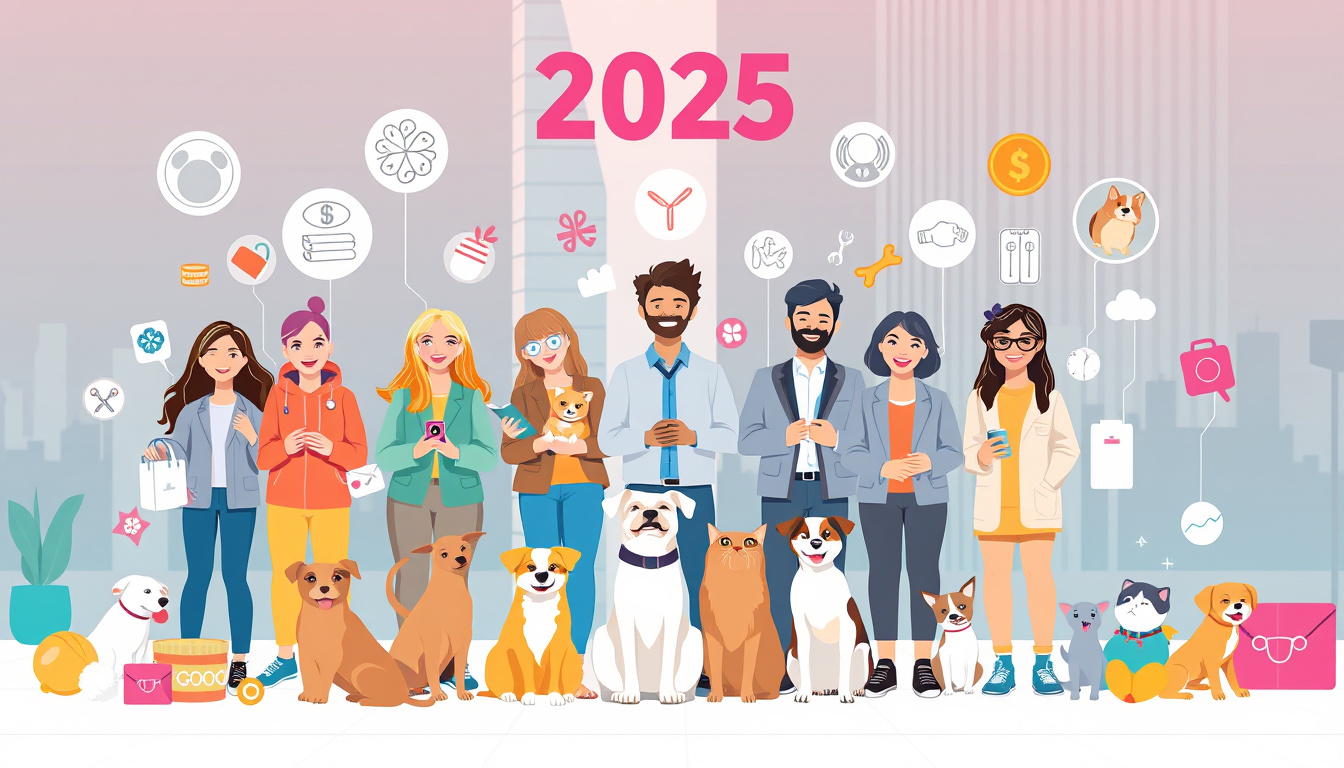
SEATTLE, March 18, 2025 (GLOBE NEWSWIRE) – Rover, the world’s largest online pet care marketplace, has released its sixth annual True Cost of Pet Parenthood Report. The report shows costs of owning pets and explains how inflation and tariffs push prices up. Rover connects pet owners with trusted care providers.

Rising Costs for Pet Parents

The report shows that pet parents in the United States face more expense. Dog owners pay up to 7% more this year. Cat owners spend about 10% more. On average, a 10-year dog costs around $35,000. A 16-year cat costs about $32,000. Breed, size, health, and lifespan all shape these costs.

Inflation and tariffs drive these increases. Pet parents pay about 11% more in vet fees. They also pay 183% more for cleaning supplies, 20% more for grooming, and 85% more for treats and chews in 2025. In the survey, 28% of pet parents worry about paying for pet needs. Also, 52% fear that tariffs will boost the prices even more.

Adoption Costs Decrease

Adoption fees are now lower than in 2024. A new dog costs between $1,150 and $4,420 today. A new cat costs between $750 and $2,715. Adoption fees for dogs dropped by 19%. Fees for cats dropped by 16%. These lower prices support shelter adoption for those who want a pet.

Insights from Pet Owners

Dr. Rebecca Greenstein from Kleinburg Veterinary Hospital is part of Rover’s Pet People Panel. She urges careful financial planning for pet care. She says, “Pet costs can seem high. Yet, a healthy dog or cat lives for a decade or more. Their love and care are priceless.” Dr. Greenstein suggests budgeting and preventive care to keep costs low.

Rover’s report shows that 20% of pet parents welcomed a new pet in 2024. Another 33% plan to add a pet next year. When asked about the start-up cost, 53% of dog owners felt their budgets fit the price.

Budgeting Strategies

Pet owners spend 69% of their budget on food and treats. Many adjust spending in other areas. 33% cut back on groceries or entertainment for pet needs. 25% change their lifestyle by choosing cheaper pet foods.

Rising costs make pet owners plan ahead. 21% have included their pets in their wills. 40% plan to do the same. Also, 44% want more tax breaks for pet care.

To face emergency costs, many pet parents save money and use subscription services for supplies. Over one-third (34%) see pet insurance as a smart way to cover vet bills.

Cost of Pet Care by Location

Where you live also matters. In places like Parsons, KS and Lawton, OK, pet care is cheaper. In Manhattan, NY and San Francisco, CA, pet care costs are high.

For more detailed insights and a full list of cities ranked by pet care cost, visit the Rover website.

About Rover

Founded in 2011 and based in Seattle, Rover links pet parents with trusted care providers. Rover offers services like dog boarding and in-home pet sitting. For more information, please visit www.rover.com.

Contact Information

Kristin Sandberg
Email: pr@rover.com
Phone: 360-510-6365

For a look at the visuals and data in the report, follow this link to the press release’s image here.

contact mindful ai media creations here: mindfulaimedia@gmail.com
Rising Tariffs Strain Pet Owners: Shelters Prepare for Surge in Surrenders

Rising Tariffs Strain Pet Owners: Shelters Prepare for Surge in Surrenders

Rising Costs of Pet Ownership Prompt Concerns Over Shelter Surrenders

IOWA CITY, Iowa — Pet ownership has grown harder. Families now bear more burden. Rising tariffs and economic pressures shake households. Forbes shows pet care costs rise. A 10‐year-old dog now costs about $34,550. A 16‐year-old cat now costs about $32,170. ## Economic Strain on Pet Owners

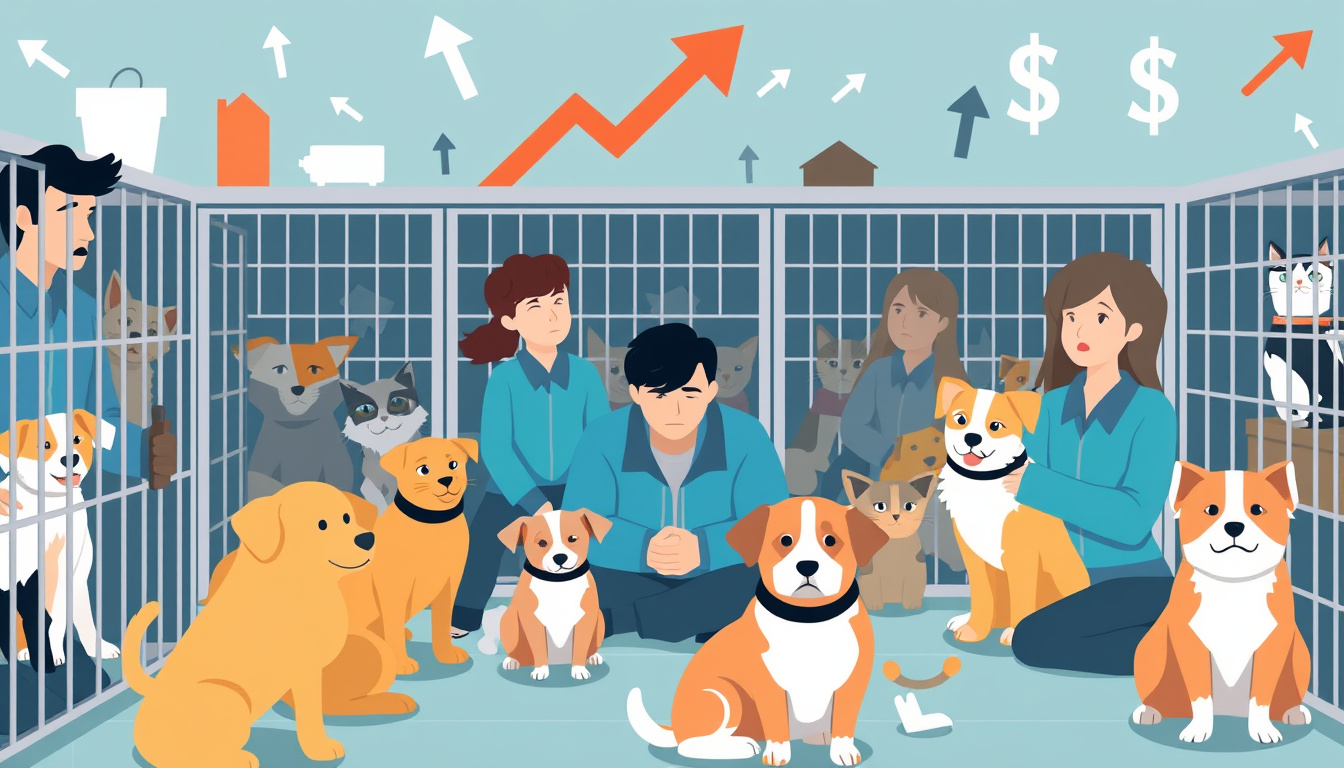
Devon Strief works at the Iowa City Animal Care and Adoption Center. She said, "The cost number was really mind-blowing to me." Strief links rising expenses to real, hard problems for pet owners. Tariffs add more strain on consumers. Strief and other shelter staff see a risk. They worry that higher expenses will force more people to surrender pets. Darlene Olshansky, a volunteer and pet trainer, added, "They get a pet, take it home, and then they see the cost. Soon, those dogs come to shelters."

The Impact of Tariffs and Job Losses

Tariffs, job losses, and housing problems now hurt families. These families find it hard to pay for pet care. Strief says key services like veterinary care and pet food now cost too much. "They cannot skip vet visits or food," she said. "When extra costs appear, problems grow for the community. It makes it hard to care for their animals and meet basic needs."

A Call for Responsible Pet Ownership

The Iowa City Animal Care and Adoption Center calls for careful thought. They ask future pet owners to research long-term pet costs. Strief sees shelters fill up fast. "There are so many shelters and rescues overrun with animals," she said. She notes that the lack of kennels and cages harms animal care. "It is not fair to the animals. It is also hard on the staff," Strief concluded.

Communities now face many challenges with these economic changes. Pet owners and those planning to adopt must think hard about the costs. They must work to keep their animals healthy and happy.

contact mindful ai media creations here: mindfulaimedia@gmail.com
Trump Administration Urges Romania to Relax Restrictions on Controversial Figure Andrew Tate

Trump Administration Urges Romania to Relax Restrictions on Controversial Figure Andrew Tate

Recent talks focus on international relations and personal freedom. The Trump administration points at Romania. They urge Romania to reexamine its rules for Andrew Tate. Tate sparks debate with controversial views and statements. He is a former kickboxer who now works on social media. His work gains fans. His ideas also bring backlash and stir controversy.

Andrew Tate gained fame through his strong views. He speaks on gender roles and personal success. He shares his opinions on many social platforms. His words have led to bans on Twitter and Instagram. These bans stir talk about free speech and censorship.

The Trump request comes from a wider debate. It asks how to treat people with divisive thoughts. It questions when a government can step in on personal freedom. Supporters say everyone should speak their mind. They believe ideas matter, no matter the backlash. Critics worry that allowing harmful views can hurt society.

Romania faces legal checks on Tate. The country keeps a close eye on foreign voices. Its government acts with care. It balances public mood with the weight of international ties.

The administration pushes Romania to lift Tate’s limits. They claim this can show a defense for free speech. This view can please those who prize liberty over strict norms.

These talks bring larger questions into view. They show a global clash between liberal values and rules for speech. The debate runs deep in today’s politics.

In summary, former U.S. officials ask Romania for a change. Their words mix global diplomacy with debates on free speech. More voices join this talk. The fate of Tate and Romania now hangs in the balance. This political move may set new rules for handling similar cases in the future.

Feel free to contact me here at mindfulaimedia@gmail.com

Brace Yourself: 16 Brands Increasing Prices as Tariffs Take Effect - What You Need to Know!

Brace Yourself: 16 Brands Increasing Prices as Tariffs Take Effect - What You Need to Know!

Brands Increase Prices in Response to Tariffs: A Look at Who's Affected

Consumers face rising costs. They see brands raise prices. Tariffs cause this change. A 10% tariff applies to all foreign imports. A 30% tariff targets products from China. Companies adjust prices to cover higher import costs.

Why Are Prices Going Up?

Tariffs hit companies that depend on foreign factories. Local brands also see extra costs. They pay more for packaging, materials, and ingredients from abroad. Some companies absorb these costs. Still, consumers feel price increases in many retail areas.

Zoe Malin explains the tariff effects in her report. She notes that consumers must change shopping habits. Shoppers are urged to buy items now. They try to avoid further price hikes.

A List of Affected Brands

Here is a breakdown of some brands that raised prices because of tariffs. The list shows each brand and its new price details:

  1. Jolie Filtered Showerhead

    • Previous Price: $165.00
    • New Price: $169.00
    • A $4 raise came in a customer notice. It followed a wider pricing strategy change.
  2. The Windmill Air Conditioner

    • Original Price: $399.99
    • Discounted Price: $319.99 (on sale now)
    • Prices went up on May 1. The update met rising costs from tariffs.
  3. Black+Decker 12V Max Cordless Drill/Driver + 59 Piece Project Kit

    • New Price: $94.99
    • Home improvement tools saw a price rise. Consumers may want to buy soon. They face further expected price jumps.
  4. Diggs Revol Collapsible Dog Crate

    • Price: $499.00
    • Prices rose on May 2. Diggs warned of more changes. Tariffs drove up production costs.
  5. Coterie Monthly Diaper Box

    • Previous Price: $100.50
    • New Price: $105.50
    • A $5 increase took effect on May 22. The brand blamed global economic shifts and rising material costs.

Consumer Recommendations

Consumers should act fast if they like these products. Further increases may occur as tariffs continue to push up production costs.

More companies change prices as tariffs grow in impact. NBC Select will update readers on these shifts. They aim to show how changes affect purchasing decisions.

In conclusion, tariffs keep changing. Consumers must stay aware of price adjustments. They can then time their purchases well.

contact mindful ai media creations here: mindfulaimedia@gmail.com

The Game-Changing Impact of Pet Simulator 2 on the Franchise: A New Era Unleashed!

The Game-Changing Impact of Pet Simulator 2 on the Franchise: A New Era Unleashed!

Since Pet Simulator launched on August 4, 2018, the game captured millions of players. The original game earned 1.1 billion visits. That clear success led to Pet Simulator 2. It debuted on December 1, 2019. Today, its fame is lower, but its role remains vital. This article shows how Pet Simulator 2 changed the series. We focus on its fresh ideas, challenges faced, and lasting mark.

A Promising Start

Pet Simulator 2 came with strong hopes. The game built on the past win of its first version. Players expected better play and design. Developers promised a richer experience. The sequel offered new graphics, improved models, and a fresh map. These features thrilled fans. New and returning players enjoyed its lively world.

Design Innovations

Pet Simulator 2 changed pet design. It introduced clear, crisp models. These models still show up in Pet Simulator 99. The cat model, for example, set a high standard. This quality remains well known. The game also reworked its map design. The updated map gave players a closer, more immersive space to explore.

Gameplay Challenges

Pet Simulator 2 faced several play problems. In two months, the game had only four updates. Each update added one new world. Many players thought the content felt shallow. Long waits and brief new areas hurt the fun.

The game used cannons for area changes. Their short sequences felt tedious and blocked exploration. The system for gathering resources was also a pain. Players had to manually collect rewards from broken items. This lessened the overall enjoyment.

The VIP Membership Issues

Pet Simulator 2 set up a VIP plan that hid features like trading behind a paywall. Many players felt left out. They believed key parts of the game should stay free. Even with free upgrades available, locking major elements hurt community building.

The Legacy of Pet Simulator 2

Pet Simulator 2 helped Big Games, the studio, to learn fast. The feedback from the sequel taught them new lessons. They used that feedback for future titles like Pet Simulator X. Players’ responses to fun and frustration shaped new ideas.

Ideas such as the golden and rainbow pet machines came from Pet Simulator 2. Pet Simulator X then mixed the best parts of both games. It offered a stronger structure, engaging features, and a closer focus on the player. This mix helped avoid the old game’s pitfalls.

Conclusion

Pet Simulator 2 was brief yet important. Its issues and wins set a new course for the series. Its pet designs and gameplay ideas mark the franchise today. The game shows that even a flawed venture can help growth. Fans remember its impact and feel its spirit live on. Pet Simulator 2 sparked a new era that inspires Pet Simulator even now.

contact us @mindfulaimedia@gmail.com

How Proposed Tariffs Could Spike Pet Care Costs: What Every Pet Owner Needs to Know

How Proposed Tariffs Could Spike Pet Care Costs: What Every Pet Owner Needs to Know

Proposed Tariffs Raise Concerns Over Pet Care Costs for Owners

By Amber Grigley
Posted and last updated in Indianapolis

Pet costs rise. Tariffs add more cost. Pet owners worry now. They see the tariffs as direct causes that push pet prices up. Rising costs and tighter supply chains join as problems. Many watch these changes closely.

Rising Costs of Pet Care

Pet care costs grow fast. Ellie Cornett owns a King Charles Cavalier named Winston. She says, "You must buy puppy food. Each bag costs about $50. A bag lasts one month." As a student, these costs hit hard.

Steven Howes cares for an AKC-registered Pembroke Welsh Corgi. He says even simple bills, like vaccines, now cost more. A report by USA Today and Rover shows dog costs may rise 7%. Cat costs might go up by 10% this year.

Tariffs and Supply Chain Effects

Tariffs hit steel and aluminum. These metals build pet food cans. Professor Andreas Hauskrecht of IU Kelley School of Business says, "Cans cost more now because tariffs hit steel and aluminum." The cost of these supplies raises pet product prices.

Many pet items import parts from Mexico. This link makes the price rise even stronger. Pet owners fear high prices may hurt the quality of pet care. Steven Howes adds, "Loving pet owners will not stop caring. I see my pet as my third child."

Implications for Indiana Pet Owners

Indiana plays a key role in these supply chains. Tariffs affect Indiana deeply. Hauskrecht notes, "Hoosiers must watch these changes. Indiana lives within these complex, close-knit supply chains."

Rover predicts that pet costs will keep climbing. By 2025, dog care may cost from $1,400 to $5,200 a year while cat care may range between $750 and $3,500 annually.

Pet owners should plan ahead and stay alert. Federal policy changes will soon hit their budgets.

Copyright 2025 Scripps Media, Inc. All rights reserved. This material may not be published, broadcast, rewritten, or redistributed.

contact mindful ai media creations here: mindfulaimedia@gmail.com
Featured Post

Navigating the Future of Healthcare: The Promises and Pitfalls of Artificial Intelligence

Artificial Intelligence (AI) appears as a threat in movies and books. Yet in healthcare, AI acts as a trusted helper. It saves lives, impr...