Wednesday, May 28, 2025

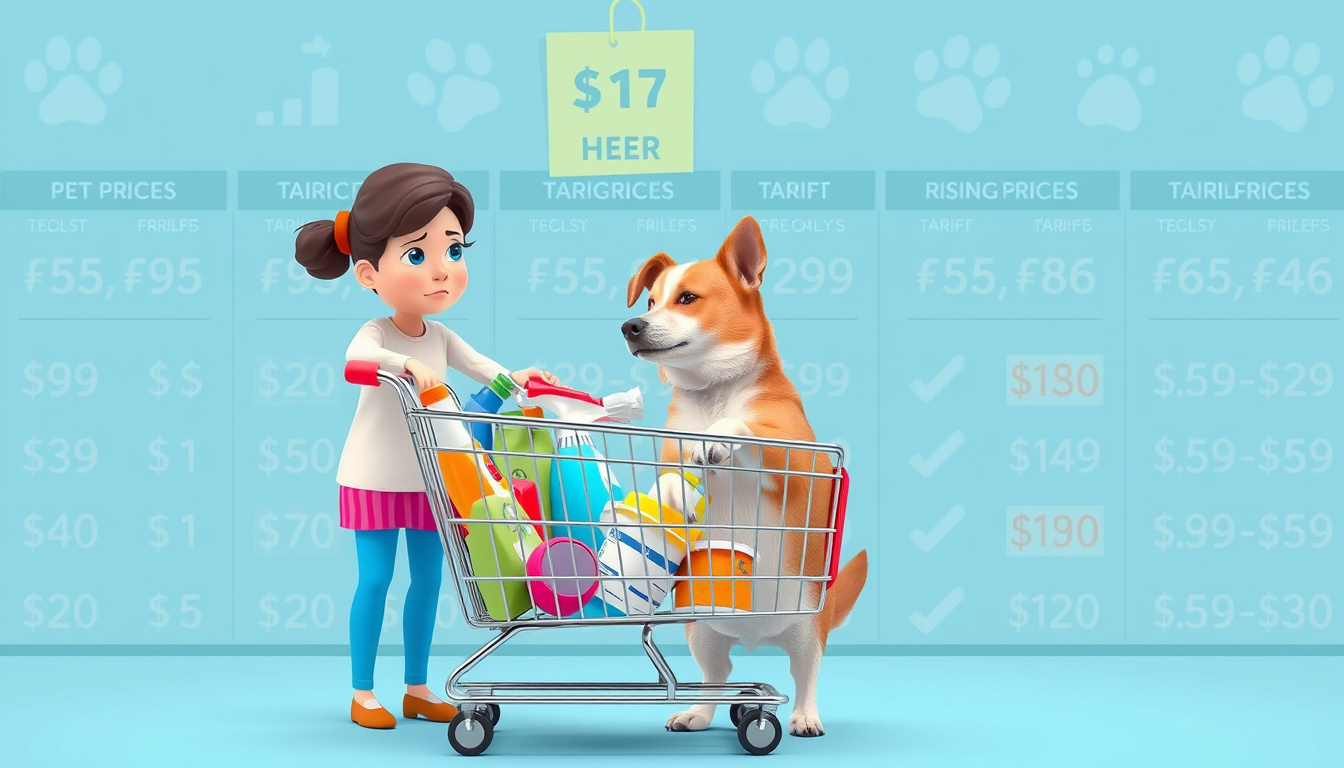
Navigating Rising Prices: How Tariffs Impact Your Pet Care Budget

Navigating Rising Prices: How Tariffs Impact Your Pet Care Budget

How Tariffs Are Likely to Impact Pet Care Prices

Understanding Tariffs and Their Effect

Tariffs change pet care prices. They are taxes on goods from other countries. These taxes push up the costs of pet food, toys, accessories, and vet care. Pet owners love their furry friends and may change their budgets soon. Companies face a choice. They either pay the extra cost or transfer it to buyers. Jessica Roy of the San Francisco Chronicle says higher tariffs cut imports and boost retail prices. One strong example comes from airlines. Baggage fees rose and never went back down after the crisis.

The Cost of Pet Food

Experts say pet food prices will rise. The increase may be lower than prices of toys or accessories. Assistant Professor Matthew MacLachlan shows that the United States exports pet food more than it imports. Still, tariffs change the price tag. Some products, especially from tariff-hit countries, could become much more costly. Pet food uses corn meal and other materials from around the world. When foreign tariffs rise, U.S. pet food may cost more abroad. This extra cost may leave a surplus at home. MacLachlan warns that supply chain issues may push domestic prices upward. Jessica Roy also notes that companies might reduce package sizes or quality. This drop in size and quality is known as shrinkflation and skimpflation.

Price Increases for Pet Toys

The pet toy market depends on imports. Ninety-three percent of U.S. pet toys come from China. This fact makes the market sensitive to tariffs. Rising manufacturing costs may stop companies from lowering prices. Pet owners may cut back on toys when prices rise. This change may lower toy availability in stores.

Veterinary and Pet Service Costs

Tariffs also raise costs in veterinary care. Vet clinics and pet services buy many parts from abroad. Christopher Eaglin from Duke University explains that labor and rent might stay steady. Still, foreign supplies cost more due to tariffs. This extra cost can push up the price of pet care services.

The Longevity of Price Changes

No one is sure how long high prices will last. Experts like Jessica Roy remind us that tariff rules change fast. Price swings may follow these rule changes. Christopher Eaglin hopes that lifting tariffs could calm prices. History shows that prices usually stay high once they rise. MacLachlan adds that supply chains could adapt over time. Companies might find better trade deals or boost U.S. production.

Strategies for Consumers

Pet owners might need new tricks to manage costs. They can compare prices for pet food and supplies. Buyers should watch out for shrinkflation or skimpflation. Such signs may mean that the price is steady but the quality or amount drops.

Conclusion

Tariffs affect pet care in many ways. Pet owners must learn these changes to manage their budgets well. Understanding the new price rules can help keep pet care both affordable and accessible.

contact mindful ai media creations here: mindfulaimedia@gmail.com

Navigating the Financial Storm: Challenges Facing the Veterinary Industry Amid Rising Costs and Economic Uncertainty

Navigating the Financial Storm: Challenges Facing the Veterinary Industry Amid Rising Costs and Economic Uncertainty

Rising Veterinary Costs Create Challenges for Industry

Financial Snapshot Amid Rising Expenses

The American Pet Products Association expects veterinary care and products to cost $41.4 billion in the United States this year. Spending rose from $35.9 billion in 2022, $38.3 billion in 2023, and $39.8 billion in 2024. These numbers look good, but veterinary practices face tight financial pressure. Costs go up while their income does not keep pace. Every cost link stays close to its next cost link.

Recruitment Challenges and Workforce Issues

Leslie Boudreau runs the AAHA-accredited Animal Hospital of Huntington Beach in California. She sees firsthand the hard work her peers do across the nation. Hiring veterinarians now costs more. Veterinarians find jobs that give them more power; they soon pick a better offer. Boudreau says that the American Veterinary Medical Association notes that there are enough veterinarians. Yet, the vets stay in one place only rarely. New graduates choose government jobs, military posts, or relief work. These trends force private practices to pay more for new, less experienced vets.

Boudreau also sees staff “bouncing.” New veterinarians work for a brief time to build a list of clients. They soon jump to another practice when signing bonuses appear. Colleagues say they cannot fill positions. Many practices even cut hours or close on some days. The staff shortage makes every link short and hard to complete.

Escalating Expenses Beyond Staffing

Other costs start to increase too. Hospitals worry about tariffs. Tariffs shake the price of overseas products and raw materials. Essentials like gauze and syringes cost more. So do many insurance types, such as liability or cybersecurity. Karen E. Felsted, a veterinary consultant in Dallas, Texas, shares Boudreau’s concerns. Felsted sees economic uncertainty, fewer client visits, and fewer available vets as the top problems.

Felsted adds that clients now hesitate to spend. Pet owners tighten their budgets. Veterinary care may seem less needed when money is short.

Adapting to the New Landscape

Veterinary practices now take active steps to meet these issues. Boudreau explains that her hospital joins buying groups. This group buying helps them control the price of needed supplies. The hospital also changes billing practices. It now charges a fee for credit card use. In 2023, the hospital spent about $500,000 on credit card fees. This fee makes clients thoughtful about how they pay.

Felsted suggests several cost-saving ideas. Hospitals should: • Focus on client service to keep and gain clients.
• Review or create an emergency fund.
• Use stricter spending rules.
• Look into extra credit lines to face tough times.

Navigating Client Relationships

Felsted stresses clear talks with pet owners about rising costs. Pet owners notice price hikes, and large fee jumps can harm trust. Practices need to offer several ways to pay. The goal is to help clients and maintain the clinic’s strength.

Both Boudreau and Felsted agree that fresh ideas solve problems. They now think hard about how to deliver services and control costs. This new approach is vital in today’s tight economic space.

As the veterinary field changes, all industry members must stay alert. They need to adjust quickly to deal with these financial challenges.


Disclaimer: Information in this article is meant to inform and educate the veterinary community. It does not reflect an official position or endorsement by the American Animal Hospital Association (AAHA) or its Board of Directors.

contact mindful ai media creations here: mindfulaimedia@gmail.com

Rising Costs of Pet Ownership: 52% of Owners Fear Tariffs Will Strain Budgets

Rising Costs of Pet Ownership: 52% of Owners Fear Tariffs Will Strain Budgets

Rising Tariff Concerns Leave Pet Owners Feeling the Financial Pinch

Seattle, WA – A new Rover report shows that most U.S. pet owners worry. Tariffs may push up pet costs. Inflation tightens budgets. Fifty-two percent of pet parents fear that tariffs will raise pet product prices. Rover noted this in its "True Cost of Pet Parenthood Report 2025."

The Financial Burden of Pet Care

Pet care costs grow. Twenty-eight percent of pet owners say they struggle to buy needed supplies. Rebecca Greenstein, a veterinarian and Rover’s pet people panelist, outlines two facts: costs are rising, and love stays strong. She says, "While pet lifetime costs may be huge, the love they give is priceless." Rover estimates a dog’s average lifetime care cost at about $34,550 over ten years. A cat’s cost is around $32,170 over sixteen years. As pets live longer, costs will grow. The report predicts spending will jump by 85% for treats and chews, 11% for vet fees, and 183% for cleaning supplies because of inflation and tariffs.

Pet Ownership Priorities

Households feel the strain. Pet food and treats take up 69% of pet owners’ budgets. About 25% of owners now choose cheaper pet food and care options. Even with rising prices, 68% want quality products, and 20% still invest in high-end items. When budgets tighten, 34% say pet spending is one of the last cuts they make. Meanwhile, 33% reduce spending on groceries and entertainment to keep pet costs steady.

Canadian Pet Owners Face Similar Challenges

Canadian pet owners face rising costs as well. In Canada, lifetime expenses are higher. Cat owners may pay up to $73,585 over their pet’s life, and dog owners up to $53,935. Annually, cat costs range from $930 to $2,400. Dog expenses lie between $965 and $4,020, with food and treats being the largest cost. Over half (55%) of Canadian respondents prefer local pet products, even if they cost more. That choice is stronger among dog owners (57%) than cat owners (52%).

The Path Forward

Tariffs and inflation make pet care more complex and expensive. Both U.S. and Canadian owners know the challenges ahead. Many are now planning budgets, cutting expenses elsewhere, and saving for pet needs. Greenstein advises, "Budget carefully, save appropriately, and focus on prevention with regular checkups and vaccines to ease costs over time." As pet care prices may keep rising, owners must balance quality, cost, and the care of their pets.

For more details, readers can refer to Rover’s complete "True Cost of Pet Parenthood Report 2025."

Stay tuned for more updates on pet food trends and tips for managing pet care.

contact mindful ai media creations here: mindfulaimedia@gmail.com

Unleashing the Power of Social Media: Innovative Strategies to Elevate Your Business Marketing

Unleashing the Power of Social Media: Innovative Strategies to Elevate Your Business Marketing

In today’s digital world, social media is no longer just a place for chatting. It works as a strong tool for business marketing. It can boost sales and lift your brand’s name. Yet, posting without a plan does not work. Below, we list ways to unlock social media with smart steps that match your business goals.

Understanding the Core Objectives of Social Media Marketing

To grow your social media, fix your mind on three key aims. First, find new leads. Next, care for those leads. Lastly, change those leads into customers.

1. Lead Generation

This step draws in new customers. Each post you make must pull in leads. Use clear words and strong calls to action—ask followers to join your email list or get a free resource. This style helps you catch the interest of those who want what you sell.

2. Lead Nurturing

Once you gather leads, spend time caring for them. Share useful posts that keep your audience close. Tell your story—share wins, losses, and lessons. This builds a close link between your audience and your brand. It makes them more keen to see what you offer next.

3. Lead Conversion

Now turn care into action. Guide your leads toward buying. Show your products or services in clear ways. Use kind and firm calls to action. This step helps your audience learn how to take the next step, like making a purchase or signing up for help.

Each post should aim at one or more of these goals. Without them, your work might feel unclear and weak.

Crafting Impactful Content

Good social media runs on clear, strong content that fits your audience. Here are some fresh ideas.

1. Develop a Strong Brand Identity

Branding is more than logos and colors. It is about making a clear, known image that your crowd feels. Think of brands like Nike or McDonald’s. What do they make you feel? Find your brand’s core and show it in each post.

2. Create a Story Inventory

List your own stories from work and life. Include where you began and the lessons that shaped you. Use these stories in your posts to hold attention and grow trust. Stories touch feelings and make your brand strong in memory.

3. Use the 80/20 Rule

Keep a balance with your posts. Make 80% of your content useful and fun. Save 20% for clear, direct talks about your products. This mix builds trust. Your audience feels cared for rather than sold to.

Engaging Your Audience

To boost your social media, work hard to really reach your crowd. Try these points.

1. Implement Strong Calls to Action

Each post needs a clear step to take. Invite your crowd to download a resource, join a newsletter, or sign up for a webinar. Clear next steps build both trust and action.

2. Foster the Know-Like-Trust Factor

Build closeness with your crowd. Use rich content to share who you are. Make potential customers feel known and liked before selling something. Chat in comments and reply with care to build trust.

3. Regularly Test and Analyze Content

Test your posts to see what works best. Check which posts grow in likes and guide actions. Social media moves fast. Stick to testing and adjusting so your work stays strong and clear.

Conclusion

Social media marketing is a lively tool. When used well, it can spur big growth for your business. By aiming at lead generation, care, and change, and by making clear posts and reaching your crowd, you build a strong marketing plan. Your business deserves more than random posts—it needs a plan that builds real links and real gains. Unlock the true strength of social media and see your business grow.

contact us @mindfulaimedia@gmail.com

Navigating the Rising Costs of Pet Parenthood: Rover's 2025 Financial Insights for Dog and Cat Owners

Navigating the Rising Costs of Pet Parenthood: Rover

Rover Releases True Cost of Pet Parenthood Report for 2025

SEATTLE, March 18, 2025 — Rover has published its sixth annual report. This report, called the True Cost of Pet Parenthood Report, explains what it takes financially to care for pets. It uses real data from pet owners. The words connect closely to show how costs rise when you care for dogs and cats.

Rising Costs for Pet Parents

The report shows pet costs grow. Dog parents spend up to 7% more. Cat parents may pay up to 10% more. A 10-year-old dog costs about $35,000 in a lifetime. A 16-year-old cat costs around $32,000. These numbers depend on breed, size, health, and life span. Here, each fact links closely to the next: cats live longer than dogs.

Inflation and new tariffs push prices higher. In 2025, pet owners pay about 11% more for veterinary fees. They pay 183% more for cleaning supplies. Grooming products cost 20% more, and treats and chews cost 85% more. Twenty-eight percent of pet parents worry about paying for pet care. Fifty-two percent expect tariffs to drive costs up. Each of these facts stands near the next, making the meaning clear and open.

Cost of Adopting Pets Decreases

Even though care costs go up, starting pet care costs less now. In 2025, a new dog costs between $1,150 and $4,420. A new cat costs from $750 to $2,715. This drop shows a 19% decrease for dogs and a 16% drop for cats. Many shelters now include initial veterinary care in the adoption price. Each statement stays close to its dependent idea.

Dr. Rebecca Greenstein, a panelist for Rover and owner of Kleinburg Veterinary Hospital, said, "While the lifetime costs of a pet can be overwhelming, the love and companionship they offer is priceless. Being financially prepared, creating a budget, and focusing on preventive care can ease the burden of pet parenthood." Her words tie each idea closely to show a clear message.

Insights from Pet Parents

Rover surveyed 1,000 U.S.-based pet parents in February 2025. The report shows these trends:

  • • 20% of pet parents added a new dog or cat in 2024.
  • • 33% plan to adopt a pet within the next year.
  • • 69% report that pet food and treats take up a large part of their budget.
  • • 33% have cut expenses elsewhere so they can afford pet care.
  • • Many pet parents feel insurance is a sound investment.
  • • 31% set money aside for emergencies like vet visits.

Each bullet connects ideas closely, so each piece of information builds on the next.

Cost Variability by Location

The report shows that pet-related costs differ by where you live. The top ten most affordable cities for pet parents are:

  1. Parsons, KS
  2. Lawton, OK
  3. Anniston, AL
  4. Springfield, MO
  5. Tupelo, MS
  6. Evansville, IN
  7. Jonesboro, AR
  8. McAllen, TX
  9. Beckley, WV
  10. Dayton, OH

In contrast, the least affordable cities are:

  1. Manhattan, NY
  2. San Francisco, CA
  3. Greenwich, CT
  4. Seattle, WA
  5. Honolulu, HI
  6. Bethesda, MD
  7. Anchorage, AK
  8. Boston, MA
  9. Portland, ME
  10. Hoboken, NJ

Each list pairs places with every fact to help the reader see cost differences clearly.

Conclusion

The True Cost of Pet Parenthood Report stands as a useful guide for pet owners. It breaks down the rising costs in simple, connected segments. Pet parents can use this report to plan better and manage expenses. For the complete report and more details, visit Rover’s website.

About Rover

Founded in 2011 and based in Seattle, Rover helps pet owners find trusted pet care providers for boarding, pet sitting, and other services. To learn more, visit www.rover.com.

For media inquiries, please contact:
Kristin Sandberg
Email: pr@rover.com
Phone: 360-510-6365

A detailed photo that goes with this announcement is available here.

contact mindful ai media creations here: mindfulaimedia@gmail.com

Rising Pet Ownership Costs: How Tariffs Are Fueling Shelter Struggles and Surrender Rates

Rising Pet Ownership Costs: How Tariffs Are Fueling Shelter Struggles and Surrender Rates

Rising Costs of Pet Ownership Pressure Families as Shelters Prepare for Increased Surrenders

Iowa City, Iowa — Families feel the weight of rising pet costs. Tariffs and other pressures push expenses higher. Forbes shows that a 10-year-old dog costs about $34,550 in a lifetime. A 16-year-old cat may cost nearly $32,170. These sums show a growing strain for pet owners who face high care costs.

Economic Pressures on Pet Owners

Devon Strief, the animal services coordinator at the Iowa City Animal Care and Adoption Center, finds these costs hard to believe. She said, "The number was actually really mind-blowing to me." Her words link the high price to the strong duty that comes with pet care.

With money problems rising, many worry that more pets will end up at shelters. Tariffs from former policies, such as under President Trump, add strain. Families now struggle to cover basic pet needs.

Volunteer and pet trainer Darlene Olshansky says families are not ready for these costs. She stated, "They'll get them and take them home, and then they realize — wow, this is going to be a lot. And then those dogs end up in shelters." Her words tie the surprise of the cost to the eventual surrender of pets.

Increased Surrenders Expected

Across the country, shelters like the Iowa City Animal Care and Adoption Center see the cost strain. Strief notes that job losses and housing problems add to owners' stress. She added, "They can't live without vet care, they can't live without food. And once we start adding more expenses to those, it's just going to create more problems for the community — for them to be able to keep their animals and give them their basic needs." Her words connect the loss of income to a rise in shelter surrenders.

Many families face different pressures. Tariffs and economic problems force owners to give up pets when costs rise too high. Every step links the struggle to the fate of many animals.

A Call for Awareness

The Iowa City Animal Care and Adoption Center asks future pet owners to do careful research. Strief urges families to think about both the adoption fee and later costs like vet care, food, and more.

"There are shelters and rescues everywhere that are just exploding with animals," Strief warned. Her words tie the overflow of pets to the lack of space. She explained, "They don't have the cages or kennels to keep them in a humane way that's justifiable long term. It's not fair for the animals, and it's really hard for the employees." Her sentence links the shelter conditions to a growing crisis that harms all involved.

As pet cost problems grow, community members should think hard before bringing a new pet into their homes. Clear research can help ease the burden on shelters and ensure care for many animals in need.

contact mindful ai media creations here: mindfulaimedia@gmail.com

How Tariffs Could Spike Pet Care Costs: What Pet Owners Need to Know

How Tariffs Could Spike Pet Care Costs: What Pet Owners Need to Know

Proposed Tariffs Could Increase Pet Care Costs for Owners

Rising Expenses for Pet Owners

INDIANAPOLIS — Tariffs by former President Trump may raise pet care costs. Tariffs push up the price of pet food and supplies. Pet owners face more expenses as costs rise.

Ellie Cornett, a college student, owns a King Charles Cavalier named Winston. She says, “You have to buy special pet food for a puppy. It costs about $50 per bag. He eats one bag each month. That cost is a big burden for a college student.” Steven Howes, who owns a Pembroke Welsh corgi, says vaccinations now cost much more. He notes, “Vaccinations seem to have almost doubled for me.”

Projected Increases in Pet Care Costs

A Rover report named "True Cost of Pet Parenthood" shows dog owners may pay up to 7% more. Cat owners could see prices rise by about 10%. As pet food and medical care cost more, the tariffs make financial worries grow.

Professor Andreas Hauskrecht from the IU Kelley School of Business points out that tariffs affect the pet care industry. He explains, “Soft food comes in cans. Cans cost more now because tariffs hit steel and aluminum.” He adds that Mexico plays a key role in this supply chain.

The Passionate Commitment of Pet Owners

Many pet owners stay devoted to their animals despite higher costs. For Howes, his dog Ollie is not just a pet; he feels like a child. He says, “Avid dog lovers will not let cost get in the way. Ollie is like my third kid.”

Hauskrecht asks Hoosiers to see the big picture. Indiana plays an important part in complex supply chains that move pet products.

Future Projections for Pet Care Costs

Rover predicts that, by 2025, owning a dog may cost between $1,400 and $5,200 per year. For a cat, yearly expenses may range from $750 to $3,500. Pet owners try to handle rising costs and new tariffs. They care deeply for their pets. Many call for more understanding of how policy changes shape pet care. The article shows the real struggles of pet owners and the strong bond they share with their animals.

contact mindful ai media creations here: mindfulaimedia@gmail.com

Featured Post

Navigating the Future of Healthcare: The Promises and Pitfalls of Artificial Intelligence

Artificial Intelligence (AI) appears as a threat in movies and books. Yet in healthcare, AI acts as a trusted helper. It saves lives, impr...