Monday, May 26, 2025

How Barcelona Transformed into a Fearsome Attacking Force Once More

How Barcelona Transformed into a Fearsome Attacking Force Once More

In an era defined by change and clear tactics, FC Barcelona has changed too. The club has returned to scoring and to its roots as an attacking force. The 2024/2025 season shows a team that takes charge on the field in Spain and beyond.

Under coach Hansi Flick, Barcelona plays with bold attack. The team now directs play and forces its rivals into defense. They made 102 goals, a mark not reached since Messi and Ronaldo played.

A Unified Attack

This Barcelona team unites its attack. They do not rely on one star. Forwards such as Robert Lewandowski, Lamine Yamal, and Raphinha work as one unit. Ferran Torres, named the “12th man of the year,” adds extra power. Each player contributes to the goal.

Flick’s side proves that strong scoring comes from teamwork. Their idea of “total football” makes every player key. When players work close together, they keep pressure on any defense.

Statistical Dominance

The numbers show Barcelona’s strength. A goal gap of +63 gave them the top spot in La Liga. Real Madrid, with 78 goals and a +40 gap, now seems far off. Flick’s plan has created a clear edge.

While many teams shifted to a defensive game, Barcelona stayed true to aggressive play. They avoid a deep defense trap and keep focus on what they do best—attack.

Resilience in Adversity

Barcelona met hard moments this season. At mid-season, wins came less often and the team struggled. Yet, they did not give in. Bench players like Dani Olmo and Fermin Lopez proved their worth. Their grit helped the whole team to stand firm.

Flick’s changes are more than tactics. They also built a strong mental will. The team shows a fighting spirit like in its past and works as one solid unit.

Looking Ahead

Barcelona now looks forward with hope. Their fluid attack, clear roles, and strong spirit build a firm base for the future. The club seems ready for more wins next season.

In summary, FC Barcelona has returned to form as a strong goal-scoring team. They mix the charm of their deep history with a fresh, modern style. Fans see a bright era ahead—as the club shows what happens when they put attack at the center.

Feel free to contact me here at mindfulaimedia@gmail.com

Get Ahead of Price Increases: 16 Brands Raising Costs Due to Tariffs You Need to Know About!

Get Ahead of Price Increases: 16 Brands Raising Costs Due to Tariffs You Need to Know About!

Rising Costs: 16 Brands Increasing Prices Due to Tariffs

Updated May 22, 2025, at 12:25 PM EDT

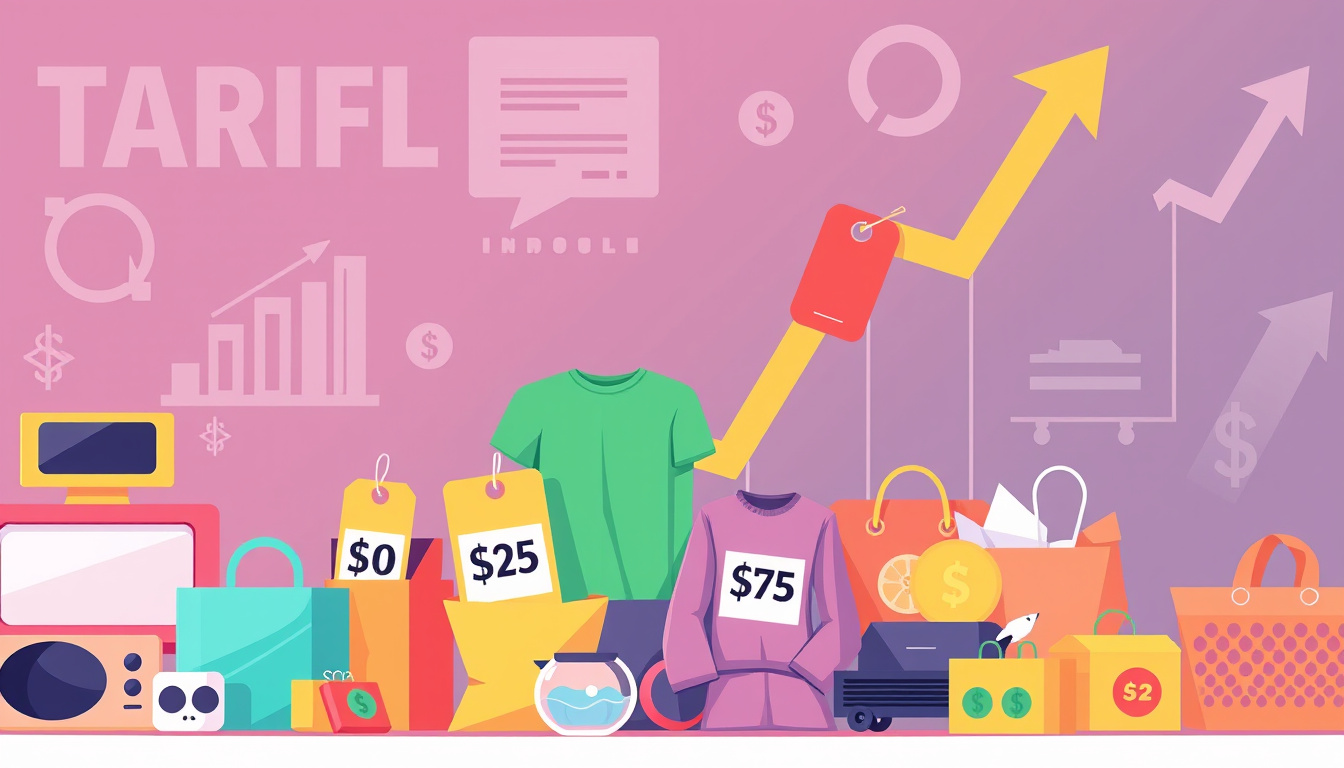
Tariffs push prices up. Consumers now face higher costs. A 10% tariff hits most imports, and a 30% tariff targets Chinese goods. Shoppers pay more as brands pass these costs on.

The Impact of Tariffs on Retail Prices

Importers face higher fees. Companies must cover extra costs. They pay more for finished products, packaging, materials, and ingredients from abroad. Some try to absorb costs, but customers still see price hikes.

A Comprehensive List of Brands Raising Prices

This list shows brands that raise prices because of tariffs. Check your favorite brands soon. Prices may rise further.

1. Jolie

  • Product: Filtered Showerhead
  • Previous Price: $165.00
  • Current Price: $169.00
  • Note: Customers learned of this rise due to higher costs.

2. The Windmill

  • Product: Air Conditioner
  • Price Range:
    • Best Buy: Was $379.99, now $319.99
    • Home Depot: Was $380.07, now $369.99
  • Note: Prices changed sitewide from May 1 for air conditioning and purification.

3. Stanley Black & Decker

  • Product: 12V Max Cordless Drill/Driver + 59 Piece Project Kit
  • Price: About $95.00
  • Note: Tools and home products increased prices in April. More hikes may follow.

4. Diggs

  • Product: Revol Collapsible Dog Crate
  • Price: $499.00
  • Note: Pet items saw price increases on May 2. More rises are likely if costs grow.

5. Coterie

  • Product: Monthly Diaper Box
  • Previous Price: $100.50
  • Current Price: $105.50
  • Note: Prices rose on May 22 due to higher material costs.

What Consumers Need to Know

Watch your favorite brands. Prices shift as tariffs add costs. Big brands like Walmart hint at more increases soon. Buying now may save money.

Conclusion

Tariffs change how companies set prices. Consumers feel this change every day. Stay alert and act early. In this tight cost world, every extra cent counts.

contact mindful ai media creations here: mindfulaimedia@gmail.com

Crafting Your Ideal User Persona: A Comprehensive Video Guide to Understanding Your Audience

Crafting Your Ideal User Persona: A Comprehensive Video Guide to Understanding Your Audience

Crafting Your Ideal User Persona: A Comprehensive Guide to Understanding Your Audience

In UX design, you must know your audience. User personas act as your guide. They bring target users to life. Designers use these personas as clues that link creativity and function. This article explains what user personas are, why they matter, and how to build one step by step.

What is a User Persona?

A user persona stands as the face of an ideal user. It bounds user research with needs, actions, goals, and challenges. Designers get a clear picture of real users. This guide makes sure your design work is built on firm, real ideas.

The Importance of User Personas

User personas help in many ways:

  1. Clarifies User Focus: They name who you design for. They bind design tasks to real user needs.

  2. Guides Design Decisions: They serve as a steady point through design work. Every feature ties back to the persona.

  3. Builds Empathy: They let you see the human side of users. Teams feel closer to the real people behind the screens.

  4. Facilitates Communication: In a mixed team, these clear profiles share research in plain words. They spark collaborative design.

These benefits show that user personas help create products that click with your audience.

Steps to Create Your Own User Persona

Building user personas is simple with a clear plan. Follow this four-step road map to shape personas that work.

Step 1: Conduct Thorough User Research

Begin with deep research. Gather data in numbers and words that tell you who your users are. Research forms the core of your persona. It links facts with clear needs and traits.

Focus on the main user needs. Do not try to serve all people. Pick one user group and one big challenge to solve.

Step 2: Build the Persona Foundation

Start with an empty document. Build the main skeleton of the persona:

  • Name: Give a face with a name (e.g., Savannah Rodriguez). This helps you connect with the persona.
  • Image: Choose a picture that fits and makes the persona feel real.
  • Quote: Pick a brief sentence that shows the persona's main hope or worry about your product.

A simple example:

  • Name: Savannah Rodriguez
  • Image: A cheerful woman who shows warmth.
  • Quote: "Take me to hidden holiday spots far from tourist traps."

Step 3: Develop a Demographic Profile

Break this down into parts:

  1. Personal Background: List age, gender, education, and family. For example, Savannah is a 52-year-old divorced mother with a Master’s degree.

  2. Professional Background: Add job, income, and work history. Savannah works in a pharmaceutical firm and earns about $65,000 a year.

  3. User Environment: Describe where the persona meets your product. Savannah uses her laptop at work and her iPad during travel.

  4. Psychographics: Note interests, thoughts, drives, and pain points. Savannah seeks exclusive travel and shuns busy tourist spots.

Step 4: Specify User Goals and Scenarios

List what the persona seeks in your product. For Savannah, the goal is to find and book a quiet luxury vacation.

Then, write a scenario that shows how she uses the app. Explain the setting, the time, and the need.

Example scenario: "Each year, I plan a luxury holiday. I want to uncover new places that do not overflow with tourists. I work full time and lack time to book every detail, so I need a vacation package that includes local dining tips."

Conclusion

User personas sharpen your design focus. They bring real user facts into every design step. By basing personas on true data and linking them directly to needs and goals, you make designs that work and speak to real people.

As you create your own user personas, keep these simple truths in view. Build clear, thoughtful, and true profiles of your users. With these friendly guides in hand, you can move through UX design with clear purpose and meet your audience’s needs.

contact us @mindfulaimedia@gmail.com

Navigating the Impact of Tariffs on Pet Care Costs: What Every Pet Owner Needs to Know

Navigating the Impact of Tariffs on Pet Care Costs: What Every Pet Owner Needs to Know

How Tariffs Will Affect the Price of Pet Care

By Laura Bradley
May 14, 2025

Tariffs change prices. We care for our pets and love to treat them. Yet new tariffs push us to work with our budgets. Tariffs add cost to foreign goods. Pet food, treats, toys, and vet care now face higher prices.

Understanding Tariffs

A tariff is a tax. The government sets the tax on foreign items. A tariff links closely to the imported good’s value. Companies import goods and then face the tax. They must raise their prices or import less. Personal finance expert Jessica Roy explains, “Tariffs force companies to import fewer goods or raise prices to share the cost with you.” Prices, once raised by tariffs, rarely drop. History shows us that baggage fees and groceries stayed high after similar changes.

Anticipated Price Increases for Pet Products

Pet Food: A Mixed Bag

Tariffs hit pet food less hard than other products. Yet things may change. Matthew MacLachlan explains that the U.S. imports many pet foods from Thailand and China. Tariffs add cost, and prices then rise. But U.S. makers who export might find a small price break at home.

Producers face more challenges. Raw materials like corn meal come from Mexico. The cost of these goods climbs with tariffs. Even premium pet foods pay more for vitamins from China. Each cost link stays near its partner word.

Pet Toys and Accessories: A Steeper Hit

Pet toys suffer more. Ninety-three percent of pet toys come from China. In 2022, the U.S. bought $721 million in these items. Tariffs push prices higher. Manufacturers face tough choices. Roy asks if customers will pay steep prices. Consumers close links in their chains by cutting non-essential buys. Tariffs may also shrink stocks. When supply chains break, shortages come near the consumer.

Impact on Veterinary Services

Tariffs touch vet care too. Veterinarians use imported supplies. When costs jump, vet fees may follow. Services such as boarding and grooming see their prices climb. Tariff effects cross links in the pet care chain.

Duration and Future of Tariff Effects

Experts can’t decide how long tariffs will last. Roy says current politics make the outcome unclear. Eaglin sees high prices as long as tariffs remain. Past trends show prices stay high even after tariffs drop. MacLachlan hopes supply chains will shift. New partners or more U.S. production may cut costs.

Money-Saving Strategies

Pet owners will shop with care. They will compare prices and study labels. They will watch for “shrinkflation,” where sizes shrink, and “skimpflation,” where costs force poor-quality changes. Every word connects when buyers look for real value.

In short, tariffs push pet care prices higher. Pet owners must check their budgets and adapt. Staying informed and ready links you directly to better choices in a changing market.

contact mindful ai media creations here: mindfulaimedia@gmail.com

Sunday, May 25, 2025

Brace for Impact: The Surging Costs of Pet Parenthood in 2025

Brace for Impact: The Surging Costs of Pet Parenthood in 2025

The Rising Costs of Pet Ownership: What You Need to Know

Pet costs have risen in recent years. Data shows that these costs will keep rising. Pet parents now face tighter budgets. They must plan their money with care.

Increased Monthly Expenses

Sara Amato, a web designer from Union City, New Jersey, knows these costs well. She adopted Finn, an Australian cattle dog mix, and his allergies and training needs forced her costs up fast. Her monthly bill comes to about $722. This sum covers special food, insurance, training, and grooming. Each year, her costs reach nearly $8,664. One time, she spent an extra $8,804. These extra costs paid for puppy training, allergy testing, and unexpected vet visits.

“It’s all worth it,” Sara says. Her words show that she cares deeply for her pet despite the cost.

Rising Costs Forecasted

Rover’s "True Cost of Pet Parenthood Report" shows a clear trend. Dog ownership costs may rise by up to 7% this year. Cat costs might grow by 10%. This report, now in its sixth edition, comes from Rover—a platform that listens to pet parents and experts.

For 2025, owning a dog may cost between $1,390 and $5,295 each year. A puppy may cost even more, from $1,520 to $6,415. Factors like age, breed, size, and health affect these numbers. For cats, the yearly cost is estimated from $760 to $3,495. The report also shares lifetime costs. A 10-year-old dog may cost about $34,550 over its life. A 16-year-old cat may cost around $32,170. Since dogs live 10 to 13 years and cats up to 18 years or more, these sums add up.

The Impact of Tariffs and Inflation

Pet owners now worry about tariffs and inflation. Tariffs on imported goods might push up pet product prices. In a survey, 52% of pet owners said tariffs may cause higher pet care costs.

Inflation makes things tougher. Veterinary fees might rise by 11%. Pet cleaning supplies could go up by 183%. Grooming supplies might jump 20%, and treats may increase 85%. Many pet owners now cut back on groceries or fun outings to cover these costs.

Changing Perceptions of Pet Ownership

Today, many see pets as part of the family. Pets are more than just companions. Nicole Ellis, a certified dog trainer, sees this change. Owners now seek high-quality food, real medical care, and fun activities for their pets.

In 2024, U.S. consumers spent about $150.6 billion on their pets. This is a big jump from $91 billion in 2018. Spending might reach $207 billion by 2030. ## Planning for the Future

As pet costs rise, planning becomes key. Only 21% of pet parents have made legal plans for their pets. About 40% plan to do so. Also, 44% want more tax benefits for pet care. Owners are now advised to set aside funds for sudden vet visits. They may also choose pet insurance. Around 33% believe insurance is a smart investment against rising costs.

Sara Amato reflects on her spending for Finn. Even though her costs are higher than average, she finds her experience rewarding. “He’s like my child,” she says, showing how she balances care with cost.

With pet costs on the rise, potential pet parents should keep up with these trends. They must plan their budgets carefully to give the best care to their furry friends.

contact mindful ai media creations here: mindfulaimedia@gmail.com

Tariff Fears: Over Half of Pet Owners Worry About Rising Costs of Pet Care Amid Inflation

Tariff Fears: Over Half of Pet Owners Worry About Rising Costs of Pet Care Amid Inflation

Report Reveals Half of Pet Owners Fear Tariffs May Hinder Pet Ownership Affordability

Seattle, WA — Rover has released a new report. The report shows pet owners worry about cost hikes. They fear that future tariffs will push prices up. The report is called "True Cost of Pet Parenthood Report 2025." Fifty-two percent of owners fear these tariffs. Twenty-eight percent already worry about paying for pet supplies.

Rising Costs of Pet Ownership

The report comes from a survey of 1,000 U.S. pet owners. It shows costs from buying a pet to daily care. Dr. Rebecca Greenstein, a veterinarian and Rover pet panelist, said, "People worry about high pet costs. They still love their furry friends."

Pet care is expensive. For a healthy dog, life care may cost $34,550. For a cat, care may run to $32,170 over 16 years. Prices are on the rise. Owners may pay 85% more for treats. Veterinary services may cost 11% extra. Pet cleaning supplies could cost 183% more. Almost half (48%) worry about these rising expenses.

Budget Adjustments by Pet Owners

The survey shows owners are changing budgets. Sixty-nine percent spend most on food and treats. To cope with rising prices, 25% have chosen cheaper food brands. Thirty-four percent try to cut costs elsewhere, like groceries or fun. Still, many choose quality. Sixty-eight percent want products that match what they already use. Twenty percent choose premium products despite the higher price.

Canadian Pet Owners Face Similar Challenges

Rover also surveyed Canadian pet owners. Their costs are higher over a pet’s lifetime. A cat can cost up to $73,585. A dog may cost $53,935 over time. Each year, Canadian owners spend $930 to $2,400 on cats and $965 to $4,020 on dogs. Tariffs may push costs up by 18% for dogs and 41% for cats soon. More than half (55%) of Canadian owners prefer local or Canadian-made products. This trend is higher with dog owners (57%) than with cat owners (52%).

Looking Ahead

Inflation and tariffs bring new challenges for pet owners. These factors push expenses higher. The choices made today impact future costs and pet care quality.

For more insights and detailed statistics, readers can check Rover's "True Cost of Pet Parenthood Report 2025." Stay updated on trends in the pet industry by subscribing to Pet Food Processing's newsletters.

For more information, visit Rover's website.


Related Articles

  • Younger generations now make up half of all US pet-owning households.
  • APPA releases generational report on pet ownership trends.
  • Rising cost of living hits pet owners throughout the UK.

Contact us for editorial inquiries and additional information.

contact mindful ai media creations here: mindfulaimedia@gmail.com

Unleashing the Financial Truth: Rover's 2025 Cost of Pet Parenthood Report Reveals Rising Expenses for Loving Pet Owners

Unleashing the Financial Truth: Rover

Rover Unveils 2025 True Cost of Pet Parenthood Report, Highlighting Rising Expenses and Pet Ownership Trends

March 18, 2025 – Seattle, WA – Rover, the world’s largest pet care marketplace, today reveals its sixth annual True Cost of Pet Parenthood Report. The report links rising costs with pet care trends. It shows that owning a cat or dog now costs more. Inflation and higher service fees drive these trends.

Rising Costs for Pet Owners

The report shows pet owners face many new expenses. Dog owners see costs jump by up to 7%. Cat owners deal with rises as high as 10%. A 10-year-old dog now costs around $34,550 to care for. A 16-year-old cat costs nearly $32,170. These totals shift with breed, size, health, and lifespan.

The report links 2025 to even steeper rises. Veterinary fees may grow by 11%. Pet cleaning supplies could jump 183%. Grooming may increase 20%. And treats and chews may cost 85% more. Each cost links closely to pet care decisions.

Pet Parents’ Financial Concerns

Many pet parents worry about these costs. Twenty-eight percent fear they cannot afford pet needs. Fifty-two percent see new tariffs as threats to their budgets. In all, 48% worry about long-term expenses. Each concern ties back to the rising overall cost.

Adoption Costs Fall Amid Rising Care Expenses

Rising care expenses contrast with lower adoption fees. Bringing home a new dog now costs between $1,150 and $4,420. Getting a cat costs between $750 and $2,715. The report links shelter adoption to savings. Fees drop 19% for dogs and 16% for cats. Each new pet ties to a lower entry cost.

Dr. Rebecca Greenstein, from Kleinburg Veterinary Hospital and Rover Pet People Panel, noted the balance. She said, “While life costs may grow, a pet’s decade-long love is priceless.” Each word in her view ties value and cost.

Budgeting for Pet Ownership

Rising expenses force budget shifts. Sixty-nine percent of pet parents set aside money for food and treats. One in three cuts spending on groceries and fun. Pet parents must plan each purchase. Thirty-one percent save for surprise costs such as a vet visit. Nineteen percent use subscription services. Eighteen percent buy pet insurance. Each method connects to maintaining budgets.

Affordability Variability Across Locations

Pet costs change with location. The report lists the most and least pet-friendly cities. In Parsons, Kansas; Lawton, Oklahoma; and Anniston, Alabama, costs stay low. In Manhattan, New York; San Francisco, California; and Greenwich, Connecticut, expenses soar. Each city ties to its own cost trends.

Conclusion

Pet ownership grows along with its costs. The 2025 True Cost of Pet Parenthood Report from Rover links facts and trends for pet owners. It shows the challenges of budgeting for furry friends. For the full report and cost gaps by city, visit Rover’s website.

For additional media inquiries, please contact:
Kristin Sandberg
Email: pr@rover.com
Phone: 360-510-6365

About Rover

Rover started in 2011 and works from Seattle. It links pet owners with services like boarding, pet sitting, dog walking, and training. Visit Rover.com for more details.

contact mindful ai media creations here: mindfulaimedia@gmail.com

Featured Post

Navigating the Future of Healthcare: The Promises and Pitfalls of Artificial Intelligence

Artificial Intelligence (AI) appears as a threat in movies and books. Yet in healthcare, AI acts as a trusted helper. It saves lives, impr...