Sunday, May 25, 2025

Crafting the Perfect House Sitting Profile: Your Guide to Attracting Opportunities

Crafting the Perfect House Sitting Profile: Your Guide to Attracting Opportunities

In our world, travel matters and bonds count. House sitting gives you a way to explore new places and help pet owners. If you want to try house sitting, start by building a strong profile. This guide shows you how to craft one that draws opportunities.

1. Highlight Your Experience

Your past with pets builds trust. List your work with pet care and pet-sitting tasks. Name the animals you tended—large dogs, small dogs, cats, or pets needing extra care. Mention caring for energetic dogs if that fits your history. Note that you own a home if you do. This fact links you with responsibility and respect for property.

2. Define Your Unique Qualities

Every sitter has special traits. Are you a family with children, or a solo traveler? Explain if you comfort shy pets. Share if you bring extra skills like plumbing or gardening. These points link your unique talents with a homeowner’s needs.

3. Use Quality Visuals

Choose clear, high-quality photos. A picture joins words with emotion, especially when you appear with a pet. A photo of you smiling and with a happy animal makes your profile warm. If pet photos are few, ask friends or family for help. A short video that shows your passion can also bring your words to life.

4. Maintain a Positive Tone

Your words should glow with positivity. Focus on what you offer rather than what you lack. If you need high-speed Wi-Fi because you work remotely, say, “I work from home and enjoy spending time with your pets.” Avoid calling it a free vacation. Homeowners look for someone who cares for both pets and property.

5. Craft a Comprehensive Profile

A short profile may not show all your skills. Use all the space allowed to tell your story. Share small stories that link your love for animals with past care work. Ask previous homeowners for quick notes about your care and trust. These details add value and build trust.

6. Consider Background Checks

A background check can set you apart. Many homeowners like a sitter who already shows a clean record. Whether you get this independently or via the platform, a clear check links you with safety and reliability.

Final Thoughts

Build your house sitting profile with honesty and creativity. You do not only seek opportunities; you build bonds that count. Use these tips to craft a profile that brings positive attention and opens new doors. Happy house sitting!

contact us @mindfulaimedia@gmail.com

Navigating Financial Challenges in Veterinary Medicine: Rising Costs, Hiring Dilemmas, and Strategic Solutions for Practices

Navigating Financial Challenges in Veterinary Medicine: Rising Costs, Hiring Dilemmas, and Strategic Solutions for Practices

Rising Veterinary Costs Present Financial Challenges for Animal Hospitals

Published: April 28, 2025

The U.S. will spend $41.4 billion on veterinary care and drugs this year. Veterinary practices face tough money issues. The American Pet Products Association shows spending grew from $35.9 billion in 2022 to $38.3 billion in 2023 and $39.8 billion in 2024. Each new number grows close to the last one.

Economic Growth Masking Underlying Issues

The numbers look good at first, but costs are rising. Veterinary professionals worry about these costs. Leslie Boudreau, a hospital administrator at the Animal Hospital of Huntington Beach, California, says the problem is clear. She shows that hiring veterinarians has become much more expensive. DVMs now control the market. Although the American Veterinary Medical Association says there are enough veterinarians, many choose government, military, relief roles, or industry jobs. This choice makes a maldistribution of veterinarians close and direct.

The "Bouncing" Phenomenon

Boudreau points to a trend called "bouncing." New veterinarians leave quickly for practices that offer hiring bonuses. This bouncing means practices search hard to keep a skilled team. Almost all practices in many areas now look for part-time or full-time veterinarians. If a practice fails to hire, it must cut hours or even close for a while.

Escalating Recruitment and Operational Costs

Veterinary practices pay a lot for recruitment. Companies that fill veterinarian spots now ask for high fees. Hiring foreign veterinarians adds more cost. Legal fees and transport expenses come close, too. Tariffs now also cause worry; they may raise the cost of supplies like medicine and equipment. Insurance costs grow as well. Cyber liability insurance, for example, now costs more in our digital world.

Financial Uncertainty and Declining Visits

Karen E. Felsted, a veterinary management consultant, sees more trouble. Uncertain money causes pet owners to cut back on visits. People worried about money may reduce spending. Many now view veterinary care as nonessential. This view makes it hard for practices to plan ahead.

Innovative Solutions Amid Challenges

To meet rising costs, Boudreau’s practice searches for better supply deals. They join group purchasing organizations to gain stronger buying power. They now limit the number of medications to cut inventory costs. Soon, the practice will charge a convenience fee on credit card transactions. This fee helps cover high processing costs, which were over half a million dollars in 2023. Although some clients have pushed back, many practices face similar stresses.

Advice for Veterinary Practices

Felsted advises practices to improve client service during tough times. Enhancing service can keep revenue steady. Practices should also build or strengthen emergency funds. Cutting nonessential spending and focusing on debt repayment can be a wise move.

Boudreau adds that rising costs and falling profits require creative and strategic planning. Economic pressures now hit everyone hard. She stresses that strong financial management must come together with quick action in the veterinary field.

Conclusion

The veterinary field grows financially, but tough costs and low visits threaten many practices. With clear and simple planning, veterinary practices can meet these hard challenges. By acting fast and smart, they can prepare for future financial surprises.

contact mindful ai media creations here: mindfulaimedia@gmail.com

Furry Fallout: How Trade Wars Are Impacting Pet Care Costs in Canada

Furry Fallout: How Trade Wars Are Impacting Pet Care Costs in Canada

Trade War’s Furry Victims: The Impact on Canada's Pet Care Industry

Winnipeg, May 25, 2025 — Trade tensions shake nations. Tariffs target $30 billion in U.S. goods. Prices soar. The pet care field feels this pressure.

Rising Costs for Pet Owners

Tariffs hit pet food, supplies, and vet care. The charges rise. U.S. vet products and pet items bear the brunt. One report shows some vet fees jump by 50% in one year.

Dr. Rebecca Greenstein of Toronto sees the harm at her clinic. “Inflation plays a role, yet the recent Rover survey shows more worry from tariffs,” she said. Inflation and tariffs together strain pet owners.

The Overall Economic Climate

Vet care prices climb across North America. Tariffs, post-COVID demand, and private equity fuel this climb. Independent vet clinics now face higher costs.

A Rover study shows a 25% tariff on U.S. equipment. This tariff boosts prices. Pet owners pay more for care and products.

The Human Impact

High costs hurt pet owners. Budgets are tightened. Many cut back on grooming, training, or routine visits. Rising prices force hard choices for pet care.

Greenstein’s clinic endures high costs like large companies. Yet, small clinics cannot easily absorb these hikes. They feel the strain more.

A Call for Awareness

Pet care changes as tariffs and inflation grow. Consumers must note these shifts. Global trade talks occupy leaders while pet owners bear the cost.

This trade clash shows how global actions hit daily lives. The challenge grows. Owners will need to change how they manage pet care. They hold hope for future relief.

As this story unfolds, families with pets will see more effects. Global policies now touch local lives.

contact mindful ai media creations here: mindfulaimedia@gmail.com

Rising Pet Ownership Costs: How Tariffs Are Impacting Families and Shelters Brace for Surrender Surges

Rising Pet Ownership Costs: How Tariffs Are Impacting Families and Shelters Brace for Surrender Surges

Rising Pet Ownership Costs Prompt Concerns for Shelters Amid Tariff Impacts

Iowa City, Iowa — Pet ownership now costs more. Data shows a ten-year-old dog may cost around $34,550 over its life. A 16-year-old cat may cost about $32,170. These numbers come from Forbes. The costs raise worry for pet owners and shelters.

Financial Burden on Pet Owners

Devon Strief works at the Iowa City Animal Care and Adoption Center. She finds these figures hard to believe. “The number was actually really mind-blowing to me,” she said. Tariffs set during President Donald Trump’s term push costs higher. Many fear that more pet owners will surrender their animals to shelters because of rising costs.

Darlene Olshansky, a volunteer and pet trainer at the center, explains the worry. She notes, “They'll get them and take them home; then they realize – wow, this is going to be a lot. And then those dogs end up in shelters.”

The Impact of Economic Strain

Communities feel economic strain. Tariffs, job losses, and housing issues all add extra pressure. Strief explains that families struggle to pay for care such as vet bills and food. When extra expenses join these must-haves, the community faces more problems. Families may find it hard to care for their pets.

Shelters Overwhelmed

The Iowa City Animal Care and Adoption Center, like many shelters, now handles many animals. Strief asks hopeful pet owners to study the long-term costs before adopting. “There are shelters and rescues everywhere with too many animals,” she said. “They do not have the cages or kennels to keep them in a humane way long term. It is unfair to the animals, and it is very hard on the employees.”

Seeking Solutions

The Iowa City Animal Care and Adoption Center calls on the community to support one another. They stress the need for careful, responsible pet ownership. Understanding the true costs of owning a pet may ease the pressure on shelters.

Rising tariffs and living expenses will likely keep this challenge alive. Pet owners and animal shelters in the area feel the strain. Community members must look out for their pets and think twice before adding an animal to their home.

For more details about pet costs and responsible adopting, please visit your local animal shelter or resource organization.

contact mindful ai media creations here: mindfulaimedia@gmail.com

Revamping Security: Savannah River Site's Historic Guardhouse and Access Gate Makeover

Revamping Security: Savannah River Site

The Savannah River Site (SRS) is a key industrial area. The U.S. Department of Energy manages it. Recently, teams renovated access controls there. The work changed more than the building. It also raised safety and security. The site covers 310 square miles. It helps keep the nation’s nuclear security strong.

A New Era of Security

For over 25 years, an old guardhouse ran the gate. It could not keep up with more traffic. During busy times, vehicles slowed and crowded the road. Staff saw that a new building was needed. At Barricade 9—close to the badge office—a new guardhouse now stands. It is four times larger than the old one. It has twice as many traffic lanes. This change will ease delays and help many employees and contractors get in and out each day.

Ron Bartholomew, director of the DOE-Savannah River Office of Safeguards, Security, and Emergency Services, said, "The renovations will improve traffic safety for the thousands of employees and vendors who enter and exit the site each day." His words show clear links between better roads and stronger security.

Enhanced Safety Features

The new guardhouse uses strong safety features. It uses bullet-resistant materials. It stands up to harsh weather like tornadoes and strong winds. Designed for today's needs, it has modern comforts. An interior restroom now has its own efficient septic system. This setup eases upkeep and boosts the comfort of security staff.

Work on the upgrade started in 2019 under a competitive design led by the Corps of Engineers. Centerra-SRS, DOE, and contractors worked closely to follow strict safety and environmental rules. Their teamwork met high standards for the site.

In the final phase, workers installed security cameras, lighting, fiber-optic cables, and essential systems. These updates help the guardhouse meet modern demands.

A Vision for the Future

The completed renovation shows a clear promise. It strengthens security in line with today’s challenges in emergency response and environmental care. The new facilities now handle more traffic and help the site guard against future threats.

Mike Budney, the DOE-SRS manager, said, "With improved access control and enhanced safety features, the SRS can continue its mission of national security and environmental stewardship with greater efficiency and safety." His clear words mix duty with safeguards.

The reopening of Barricade 9 is more than a building fix. It shows a steady drive to protect operations against new challenges. As the Savannah River Site carries out its vital work, this modern access point will help secure people, materials, and the environment.

In today’s world of tight security and quick response, the upgrades at SRS mix function with safety. They show how clear links between words—just as between ideas—can create a system that works better for everyone.

Feel free to contact me here at mindfulaimedia@gmail.com

The Pet Price Predicament: How Proposed Tariffs Could Impact Your Furry Family Members' Care Costs

The Pet Price Predicament: How Proposed Tariffs Could Impact Your Furry Family Members

Proposed Tariffs Promising Higher Costs for Pet Care in the U.S.

By Amber Grigley
Posted and last updated: Indianapolis, IN

Pet ownership grows in the United States. Tariffs target imported goods. Tariffs drive prices up. Former President Trump set these tariffs. Pet owners now check their budgets.

The Financial Burden of Pet Ownership

Ellie Cornett owns a King Charles Cavalier named Winston. She studies in college. She buys special pet food. She pays about $50 per bag. Each month, she uses one bag. This cost strains her budget. Steven Howes owns a Pembroke Welsh Corgi. He pays more for vaccinations. His costs now almost double. A report from USA Today, using Rover’s data, shows that dog expenses may rise nearly 7%. Cat costs might increase about 10% this year.

Analyzing the Tariff Impact

Professor Andreas Hauskrecht teaches business economics at IU Kelley School of Business. He studies pet food prices. He links rising costs to tariffs on steel and aluminum. Tariffs drive can prices up. Pet food comes from abroad. Imports from Mexico and Canada feed the supply chain. These tariffs push prices higher. Pet owners feel the impact directly.

Resilient Pet Owners

Pet owners remain strong despite higher costs. Steven Howes says, "It’s like having children." His dog, Ollie, earns a place in his heart. Many pet lovers care deeply. They work hard to keep their pets happy. Their love stays steady, regardless of price hikes.

Future Projections

Rover projects that by 2025, dog care costs could range from $1,400 to $5,200 each year. Cat costs may fall between $750 and $3,500 annually. Indiana has a rich supply chain network. Hoosiers watch these changes closely. They protect the welfare of their pets.

Conclusion

Tariffs and rising costs change pet care in the United States. Officials set policies. Pet owners adjust their budgets. They connect with their pets through love and care. In this new cost landscape, they work to secure a safe and comfortable life for their animals.

contact mindful ai media creations here: mindfulaimedia@gmail.com

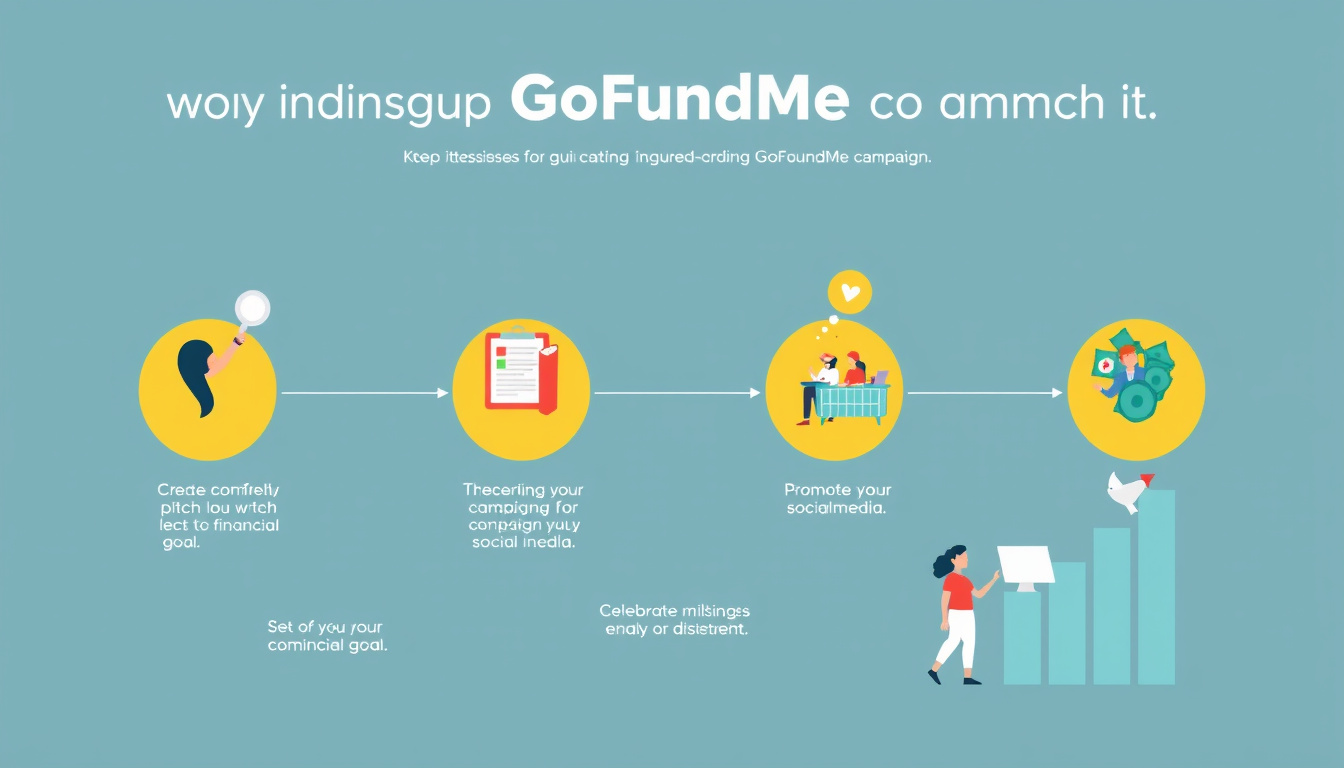
Unlocking Crowdfunding: Your Essential Step-by-Step Guide to Launching a Successful GoFundMe Campaign

Unlocking Crowdfunding: Your Essential Step-by-Step Guide to Launching a Successful GoFundMe Campaign

Crowdfunding helps people raise money. GoFundMe is a top platform for this need. It supports medical bills, school fees, or personal projects. This guide shows clear steps to build your own GoFundMe campaign. We use short links between words to boost clarity.

Step 1: Create an Account

Visit the GoFundMe website. Sign up by giving your name, email, and password. Verify your account with your phone. Follow the prompts to secure your profile.

Step 2: Define Your Fundraising Goal

Pick a campaign category like medical, education, or community support. Then set a clear money goal. Keep the target realistic and linked to your needs.

Step 3: Craft Your Story

Share your story in plain words. Explain why you need money. Tell how you will use the funds. A clear, direct narrative builds trust with donors. You can also use AI tools to refine your words.

Step 4: Add Multimedia Elements

Upload images that fit your story. Choose clear, bright, and relevant photos. Add a YouTube video if one explains your cause well. Short visual links strengthen donor understanding.

Step 5: Set Up Payment Information

Enter your bank details, Social Security number, and mailing address. These details secure each transaction. Note that a small fee is taken from each donation to cover processing.

Step 6: Preview and Launch Your Campaign

Review your title, story, and images. Ensure they all match your message. When you are satisfied, launch your fundraiser. Remember: sharing is key to success.

Step 7: Share Your Campaign

Promote on Facebook, Instagram, and Twitter. Share your campaign link and ask friends and family to join in. More shares give your cause a greater chance to meet its goal.

Step 8: Engage with Donors

Reply to comments and thank supporters through messages. These quick responses build a loyal, active community. Honest thanks encourage more donations.

Final Tips for Success

  1. Be Transparent: Clearly state how funds will be used and keep donors updated.
  2. Set a Deadline: A clear deadline adds urgency that can drive donations.
  3. Be Authentic: Genuine words create a strong bond with donors.
  4. Leverage Media: Local news can boost reach, especially with community causes.
  5. Evaluate and Learn: Reflect on what works and what does not for future campaigns.

Follow these steps to create a simple, clear, and successful GoFundMe campaign. Good luck in reaching your goal and finding the support you need!

contact us @mindfulaimedia@gmail.com

Featured Post

Navigating the Future of Healthcare: The Promises and Pitfalls of Artificial Intelligence

Artificial Intelligence (AI) appears as a threat in movies and books. Yet in healthcare, AI acts as a trusted helper. It saves lives, impr...