Sunday, May 25, 2025

Revamping Security: Savannah River Site's Historic Guardhouse and Access Gate Makeover

Revamping Security: Savannah River Site

The Savannah River Site (SRS) is a key industrial area. The U.S. Department of Energy manages it. Recently, teams renovated access controls there. The work changed more than the building. It also raised safety and security. The site covers 310 square miles. It helps keep the nation’s nuclear security strong.

A New Era of Security

For over 25 years, an old guardhouse ran the gate. It could not keep up with more traffic. During busy times, vehicles slowed and crowded the road. Staff saw that a new building was needed. At Barricade 9—close to the badge office—a new guardhouse now stands. It is four times larger than the old one. It has twice as many traffic lanes. This change will ease delays and help many employees and contractors get in and out each day.

Ron Bartholomew, director of the DOE-Savannah River Office of Safeguards, Security, and Emergency Services, said, "The renovations will improve traffic safety for the thousands of employees and vendors who enter and exit the site each day." His words show clear links between better roads and stronger security.

Enhanced Safety Features

The new guardhouse uses strong safety features. It uses bullet-resistant materials. It stands up to harsh weather like tornadoes and strong winds. Designed for today's needs, it has modern comforts. An interior restroom now has its own efficient septic system. This setup eases upkeep and boosts the comfort of security staff.

Work on the upgrade started in 2019 under a competitive design led by the Corps of Engineers. Centerra-SRS, DOE, and contractors worked closely to follow strict safety and environmental rules. Their teamwork met high standards for the site.

In the final phase, workers installed security cameras, lighting, fiber-optic cables, and essential systems. These updates help the guardhouse meet modern demands.

A Vision for the Future

The completed renovation shows a clear promise. It strengthens security in line with today’s challenges in emergency response and environmental care. The new facilities now handle more traffic and help the site guard against future threats.

Mike Budney, the DOE-SRS manager, said, "With improved access control and enhanced safety features, the SRS can continue its mission of national security and environmental stewardship with greater efficiency and safety." His clear words mix duty with safeguards.

The reopening of Barricade 9 is more than a building fix. It shows a steady drive to protect operations against new challenges. As the Savannah River Site carries out its vital work, this modern access point will help secure people, materials, and the environment.

In today’s world of tight security and quick response, the upgrades at SRS mix function with safety. They show how clear links between words—just as between ideas—can create a system that works better for everyone.

Feel free to contact me here at mindfulaimedia@gmail.com

The Pet Price Predicament: How Proposed Tariffs Could Impact Your Furry Family Members' Care Costs

The Pet Price Predicament: How Proposed Tariffs Could Impact Your Furry Family Members

Proposed Tariffs Promising Higher Costs for Pet Care in the U.S.

By Amber Grigley
Posted and last updated: Indianapolis, IN

Pet ownership grows in the United States. Tariffs target imported goods. Tariffs drive prices up. Former President Trump set these tariffs. Pet owners now check their budgets.

The Financial Burden of Pet Ownership

Ellie Cornett owns a King Charles Cavalier named Winston. She studies in college. She buys special pet food. She pays about $50 per bag. Each month, she uses one bag. This cost strains her budget. Steven Howes owns a Pembroke Welsh Corgi. He pays more for vaccinations. His costs now almost double. A report from USA Today, using Rover’s data, shows that dog expenses may rise nearly 7%. Cat costs might increase about 10% this year.

Analyzing the Tariff Impact

Professor Andreas Hauskrecht teaches business economics at IU Kelley School of Business. He studies pet food prices. He links rising costs to tariffs on steel and aluminum. Tariffs drive can prices up. Pet food comes from abroad. Imports from Mexico and Canada feed the supply chain. These tariffs push prices higher. Pet owners feel the impact directly.

Resilient Pet Owners

Pet owners remain strong despite higher costs. Steven Howes says, "It’s like having children." His dog, Ollie, earns a place in his heart. Many pet lovers care deeply. They work hard to keep their pets happy. Their love stays steady, regardless of price hikes.

Future Projections

Rover projects that by 2025, dog care costs could range from $1,400 to $5,200 each year. Cat costs may fall between $750 and $3,500 annually. Indiana has a rich supply chain network. Hoosiers watch these changes closely. They protect the welfare of their pets.

Conclusion

Tariffs and rising costs change pet care in the United States. Officials set policies. Pet owners adjust their budgets. They connect with their pets through love and care. In this new cost landscape, they work to secure a safe and comfortable life for their animals.

contact mindful ai media creations here: mindfulaimedia@gmail.com

Unlocking Crowdfunding: Your Essential Step-by-Step Guide to Launching a Successful GoFundMe Campaign

Unlocking Crowdfunding: Your Essential Step-by-Step Guide to Launching a Successful GoFundMe Campaign

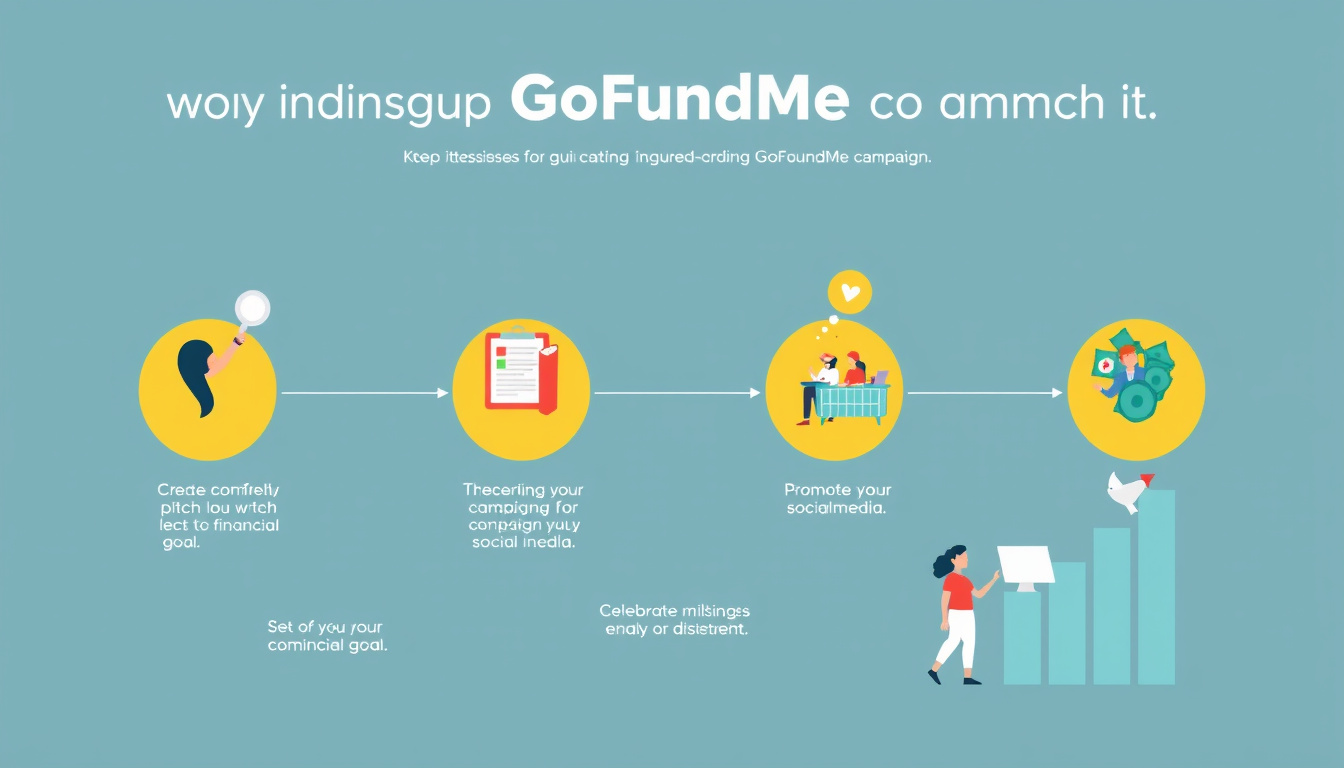
Crowdfunding helps people raise money. GoFundMe is a top platform for this need. It supports medical bills, school fees, or personal projects. This guide shows clear steps to build your own GoFundMe campaign. We use short links between words to boost clarity.

Step 1: Create an Account

Visit the GoFundMe website. Sign up by giving your name, email, and password. Verify your account with your phone. Follow the prompts to secure your profile.

Step 2: Define Your Fundraising Goal

Pick a campaign category like medical, education, or community support. Then set a clear money goal. Keep the target realistic and linked to your needs.

Step 3: Craft Your Story

Share your story in plain words. Explain why you need money. Tell how you will use the funds. A clear, direct narrative builds trust with donors. You can also use AI tools to refine your words.

Step 4: Add Multimedia Elements

Upload images that fit your story. Choose clear, bright, and relevant photos. Add a YouTube video if one explains your cause well. Short visual links strengthen donor understanding.

Step 5: Set Up Payment Information

Enter your bank details, Social Security number, and mailing address. These details secure each transaction. Note that a small fee is taken from each donation to cover processing.

Step 6: Preview and Launch Your Campaign

Review your title, story, and images. Ensure they all match your message. When you are satisfied, launch your fundraiser. Remember: sharing is key to success.

Step 7: Share Your Campaign

Promote on Facebook, Instagram, and Twitter. Share your campaign link and ask friends and family to join in. More shares give your cause a greater chance to meet its goal.

Step 8: Engage with Donors

Reply to comments and thank supporters through messages. These quick responses build a loyal, active community. Honest thanks encourage more donations.

Final Tips for Success

  1. Be Transparent: Clearly state how funds will be used and keep donors updated.
  2. Set a Deadline: A clear deadline adds urgency that can drive donations.
  3. Be Authentic: Genuine words create a strong bond with donors.
  4. Leverage Media: Local news can boost reach, especially with community causes.
  5. Evaluate and Learn: Reflect on what works and what does not for future campaigns.

Follow these steps to create a simple, clear, and successful GoFundMe campaign. Good luck in reaching your goal and finding the support you need!

contact us @mindfulaimedia@gmail.com

Brace for Impact: 16 Major Brands Raising Prices Amid Tariff Challenges

Brace for Impact: 16 Major Brands Raising Prices Amid Tariff Challenges

Price Increases Hit Consumers: 16 Brands Raise Prices Due to Tariffs

Updated: May 22, 2025, 12:25 PM EDT

Tariffs hit imports. A 10% tariff affects all imports; a 30% tariff targets Chinese goods. Brands face rising costs. They raise prices to cover extra fees. Tariffs add cost when goods travel or materials come from abroad.

The Impact of Tariffs on Retail Prices

Retailers feel the pinch. They use imported packaging, parts, and raw materials. Even brands that mostly produce at home suffer. Manufacturers and retailers both push prices up. Consumers take on the cost. Experts note changes. They watch as more companies adjust prices. Today’s tariffs sit under a 90-day pause until July. When the pause ends, tariffs may grow or change.

Brands Raising Prices: A Closer Look

  1. Jolie

    • Product: Filtered Showerhead
    • Previous Price: $165
    • New Price: $169
    • Notes: The showerhead removes chlorine and heavy metals. It lifts hair and skin quality.
  2. Windmill

    • Product: Air Conditioners
    • Previous Price: $379.99 - $399.99
    • New Price: $319.99 (on sale)
    • Notes: Price hikes across products began on May 1. 3. Stanley Black & Decker
    • Product: 12V Max Cordless Drill/Driver + 59 Piece Project Kit
    • Previous Price: $94.99 - $99.99
    • Notes: The company must adjust prices further. Tools and appliances feel the cost.
  3. Diggs

    • Product: Revol Collapsible Dog Crate
    • Price: $499.00
    • Notes: Prices increased on May 2; more hikes may come.
  4. Coterie

    • Product: Monthly Diaper Box
    • Previous Price: $100
    • New Price: $105.50
    • Notes: Rising costs for materials drive this increase.

These brands show a clear trend. If you want a product, buy soon. Prices may go up later.

What to Expect Moving Forward

Price rises continue as tariffs shape costs. Brands shift strategies to cope. Firms know that clear prices help keep customers. They act quickly to hold their market share.

Stay alert. Read newsletters and check updates from retailers. This simple step lets you plan your purchase. In short, tariffs push up prices. Consumers should watch costs and act fast to avoid higher bills.

contact mindful ai media creations here: mindfulaimedia@gmail.com

Saturday, May 24, 2025

Pet Care Price Shock: The Impact of Tariffs on Your Furry Friends' Expenses

Pet Care Price Shock: The Impact of Tariffs on Your Furry Friends

How Tariffs Will Affect the Price of Pet Care

By Laura Bradley
May 14, 2025

Tariffs will soon affect pet care costs. Pet owners need to adjust their budgets. Tariffs will raise the cost of goods. These goods include items needed for our pets. Tariffs may push up the costs of food, toys, bedding, and vet care. Knowing this change is key to managing pet budgets.

What Are Tariffs?

A tariff is a tax on goods from abroad. A country applies the tax when it imports an item. The tax is a set percent of the item’s value. Companies pay this tax when they import products. Jessica Roy, a finance expert, explains that rising tariffs give companies two options. They can either lower imports or shift costs to buyers. Roy warns that when costs go up, prices rarely drop again. For example, airlines kept baggage fees even after fuel costs fell. The same trend is now seen in grocery prices since the pandemic.

Impact on Pet Care Costs

Tariffs will not affect all pet products the same. Different items will see different price hikes. Here is what to expect.

Pet Food Prices

Pet food prices may rise, but not as much as other products. The United States exports pet food and imports little. This helps stabilize prices. Yet, pet food still needs ingredients from abroad, mainly China and Mexico. Hitendra Chaturvedi, a supply chain expert, notes that U.S. manufacturers also need imported vitamins and parts. He explains that packages may shrink while prices hold steady. Sometimes, quality drops as costlier goods are replaced with cheaper items.

Pet Toys and Accessories

Pet toys may cost much more soon. Ninety-three percent of U.S. pet toys come from China. This heavy dependence causes steep price hikes. Roy explains that buyers may resist these high prices. Shortages could happen as makers try to balance cost and demand.

Veterinary and Pet Service Costs

Vet fees might not climb immediately. However, costs for supplies and equipment will grow. New costs will affect services like grooming and boarding. Christopher Eaglin says that even if wages and rent stay the same, higher supply prices force service costs up.

Duration of Tariff-Induced Price Increases

How long the price rises last is hard to tell. Political change can shift tariff policy suddenly. Even if tariffs end, prices tend not to fall again. Eaglin notes that price levels rarely drop once they rise. Still, supply chains may adjust. Businesses might form new trade ties or raise local production.

Strategies for Managing Potential Price Increases

Pet owners can use a few methods to handle these rising costs:

  1. Comparison Shopping
    Look for the best deals on pet food and supplies.
  2. Bulk Purchases
    Buy in bulk and lock in current prices for essentials.
  3. Explore Alternatives
    Try different brands that offer similar quality at lower costs.
  4. Monitor Supply Chains
    Stay updated on price and product changes in the market.

Tariffs will change pet care prices. Pet owners should stay alert. With clear information, they can keep budgets—and pets—healthy.

contact mindful ai media creations here: mindfulaimedia@gmail.com

Brace Yourself: The Rising Cost of Cat and Dog Ownership in 2025

Brace Yourself: The Rising Cost of Cat and Dog Ownership in 2025

Rising Costs of Pet Ownership: What You Need to Know

Pet costs are rising fast. Pet parents now pay more for food, training, grooming, and care. Rover released the “True Cost of Pet Parenthood Report.” Dog costs may rise by 7% this year. Cat costs might go up by 10%. These changes affect many households that care for their furry friends.

Increasing Monthly Costs for Pet Owners

Many pet owners feel their monthly bills add up. Sara Amato is a 37-year-old web designer in Union City, New Jersey. In 2022, she adopted Finn, a 3-year-old Australian cattle dog mix. Sara spends about $722 each month for Finn. That amount makes around $8,664 each year. She pays for food, insurance, grooming, and training. Sara also spent about $8,804 on one-time costs like extra training and surprise vet bills.

Finn has special needs. He suffers from severe allergies that need regular tests and ongoing immunotherapy. Sara said, “I knew adopting a dog was an investment, but I never expected the costs to be this high.” Despite high costs, she stays committed to keeping Finn healthy and happy.

Average Annual Costs on the Rise

Rover’s report shows dog costs will likely be between $1,390 and $5,295 a year by 2025. Age, size, breed, and health all shape these expenses. Puppies often cost even more, with expenses ranging from $1,520 to $6,415. Cat care costs have also climbed. Kittens may cost between $830 and $3,095 yearly. Adult cats cost between $760 and $3,495 a year. Older cats need more care and cost even more. Rover estimates a typical 10-year-old dog may cost about $34,550. A 16-year-old cat might cost around $32,170. ## Concerns About Tariffs and Inflation

Many pet owners worry about tariffs and inflation. In a survey, 52% of pet parents fear rising costs. According to Rover, pet goods and services are expected to cost more in 2025. Veterinary fees may increase by 11%, grooming supplies by 20%, cleaning products by 183%, and treats by 85%.

Nicole Ellis, a certified dog trainer and pet expert, said many families now face tighter budgets. Pet expenses now form a big part of a household budget. Many owners change their routines just to cover pet needs.

The Changing Landscape of Pet Ownership

The pet industry has changed a lot in recent years. Pets are no longer seen as simple companions. They are part of the family. In 2024, pet owners spent about $150.6 billion on pet care, up from $91 billion in 2018. This fast rise may push the industry to $207 billion by 2030. Nicole Ellis notes that as pet ownership grows more serious, owners spend more to keep their pets well. The love and care for pets drive higher overall spending.

Planning for the Future

With ever-growing pet expenses, planning ahead is wise. According to Rover, only 21% of pet owners include their pets in their wills, even though 40% think about it. Many owners also want tax breaks to help with pet costs. Financial advisers now suggest pet insurance to manage unexpected vet bills. In one survey, 33% of pet owners backed this idea.

Conclusion

The cost of owning a pet is high, yet many pet owners believe that the joy and love they get are worth every penny. “He is my companion, and I will spend whatever I have to make sure that he’s a happy, healthy, fulfilled dog,” said Sara. As pet care costs change, new pet owners need to budget wisely.

For more updates on consumer news, sign up for the USA TODAY Daily Money newsletter.

Betty Lin-Fisher is a consumer reporter for USA TODAY. Follow her on social media @blinfisher.

contact mindful ai media creations here: mindfulaimedia@gmail.com

Rising Costs and Tariff Concerns: The Financial Strain of Pet Ownership in 2025

Rising Costs and Tariff Concerns: The Financial Strain of Pet Ownership in 2025

Concerns Rise Among Pet Owners as Tariffs Threaten Affordability of Pet Care

SEATTLE — Many pet owners in the United States feel uneasy about new tariffs on pet products. Tariffs push prices higher during rising inflation. A Rover report called “True Cost of Pet Parenthood Report 2025” shows 52% of pet parents worry tariffs will raise pet ownership costs even more.

Rising Costs of Pet Care

Pet product prices climb steadily. Nearly 28% of pet owners fear they cannot afford these essentials. Owners have always worried about costs. Now, tariffs add to that concern.

Rebecca Greenstein, DVM, works daily with pet parents. She is also a Rover panelist and owner of Kleinburg Veterinary Hospital. She said, "People worry about high and rising pet care costs. Yet, pet parents stay devoted to their furry family." She advises careful financial planning and preventive care. Even when costs are high, the comfort pets bring is priceless.

Financial Breakdown of Pet Ownership

The report surveyed 1,000 pet parents across the country. It checked expenses from adoption fees to monthly and yearly costs. For example, a 10-year-old dog may cost about $34,550 in a lifetime. A 16-year-old cat’s care may reach $32,170. As pets live longer, costs grow too.

Tariffs may boost these costs further. The report predicts price hikes of:

  • 85% for treats and chews
  • 11% for veterinary fees
  • 183% for pet cleaning supplies
  • 20% for grooming supplies

Almost 48% of pet owners worry about rising expenses. Thirty-one percent say pet product prices grow faster than other items.

Pet Food: A Major Concern

Sixty-nine percent of pet owners report that food and treats are the largest expense. With prices climbing, 25% of pet parents now choose cheaper food or care services. Still, many want high-quality products. Sixty-eight percent promise to buy quality items. Twenty percent are even willing to pay more for better products.

Despite these changes, 34% of pet owners say pet spending is one of their last cuts if budgets tighten. To manage rising prices, 33% have reduced spending on groceries or entertainment.

The Situation in Canada

Canadian pet owners share similar worries. In Canada, a cat may cost up to $73,585 over its lifetime. A dog may cost around $53,935. Yearly spending ranges from $930 to $2,400 for cats and $965 to $4,020 for dogs.

Due to tariff concerns, 55% of Canadian pet owners choose local or Canada-made pet brands, even if they cost more. Among them, 57% of dog owners favor Canadian products.

Looking Ahead

Inflation and the threat of tariffs make pet care costs even tougher for many. As these costs continue to affect household budgets, many pet owners may need to change their financial plans.

For more details on pet costs, check Rover's True Cost of Pet Parenthood Report 2025.

Stay informed. Visit our news page for the latest pet food and care updates.

contact mindful ai media creations here: mindfulaimedia@gmail.com

Featured Post

Navigating the Future of Healthcare: The Promises and Pitfalls of Artificial Intelligence

Artificial Intelligence (AI) appears as a threat in movies and books. Yet in healthcare, AI acts as a trusted helper. It saves lives, impr...