
Sunday, May 25, 2025

Brace for Impact: 16 Major Brands Raising Prices Amid Tariff Challenges

Brace for Impact: 16 Major Brands Raising Prices Amid Tariff Challenges

Price Increases Hit Consumers: 16 Brands Raise Prices Due to Tariffs

Updated: May 22, 2025, 12:25 PM EDT

Tariffs hit imports. A 10% tariff affects all imports; a 30% tariff targets Chinese goods. Brands face rising costs. They raise prices to cover extra fees. Tariffs add cost when goods travel or materials come from abroad.

The Impact of Tariffs on Retail Prices

Retailers feel the pinch. They use imported packaging, parts, and raw materials. Even brands that mostly produce at home suffer. Manufacturers and retailers both push prices up. Consumers take on the cost. Experts note changes. They watch as more companies adjust prices. Today’s tariffs sit under a 90-day pause until July. When the pause ends, tariffs may grow or change.

Brands Raising Prices: A Closer Look

  1. Jolie

    • Product: Filtered Showerhead
    • Previous Price: $165
    • New Price: $169
    • Notes: The showerhead removes chlorine and heavy metals. It lifts hair and skin quality.
  2. Windmill

    • Product: Air Conditioners
    • Previous Price: $379.99 - $399.99
    • New Price: $319.99 (on sale)
    • Notes: Price hikes across products began on May 1. 3. Stanley Black & Decker
    • Product: 12V Max Cordless Drill/Driver + 59 Piece Project Kit
    • Previous Price: $94.99 - $99.99
    • Notes: The company must adjust prices further. Tools and appliances feel the cost.
  3. Diggs

    • Product: Revol Collapsible Dog Crate
    • Price: $499.00
    • Notes: Prices increased on May 2; more hikes may come.
  4. Coterie

    • Product: Monthly Diaper Box
    • Previous Price: $100
    • New Price: $105.50
    • Notes: Rising costs for materials drive this increase.

These brands show a clear trend. If you want a product, buy soon. Prices may go up later.

What to Expect Moving Forward

Price rises continue as tariffs shape costs. Brands shift strategies to cope. Firms know that clear prices help keep customers. They act quickly to hold their market share.

Stay alert. Read newsletters and check updates from retailers. This simple step lets you plan your purchase. In short, tariffs push up prices. Consumers should watch costs and act fast to avoid higher bills.

contact mindful ai media creations here: mindfulaimedia@gmail.com

Saturday, May 24, 2025

Pet Care Price Shock: The Impact of Tariffs on Your Furry Friends' Expenses

Pet Care Price Shock: The Impact of Tariffs on Your Furry Friends

How Tariffs Will Affect the Price of Pet Care

By Laura Bradley
May 14, 2025

Tariffs will soon affect pet care costs. Pet owners need to adjust their budgets. Tariffs will raise the cost of goods. These goods include items needed for our pets. Tariffs may push up the costs of food, toys, bedding, and vet care. Knowing this change is key to managing pet budgets.

What Are Tariffs?

A tariff is a tax on goods from abroad. A country applies the tax when it imports an item. The tax is a set percent of the item’s value. Companies pay this tax when they import products. Jessica Roy, a finance expert, explains that rising tariffs give companies two options. They can either lower imports or shift costs to buyers. Roy warns that when costs go up, prices rarely drop again. For example, airlines kept baggage fees even after fuel costs fell. The same trend is now seen in grocery prices since the pandemic.

Impact on Pet Care Costs

Tariffs will not affect all pet products the same. Different items will see different price hikes. Here is what to expect.

Pet Food Prices

Pet food prices may rise, but not as much as other products. The United States exports pet food and imports little. This helps stabilize prices. Yet, pet food still needs ingredients from abroad, mainly China and Mexico. Hitendra Chaturvedi, a supply chain expert, notes that U.S. manufacturers also need imported vitamins and parts. He explains that packages may shrink while prices hold steady. Sometimes, quality drops as costlier goods are replaced with cheaper items.

Pet Toys and Accessories

Pet toys may cost much more soon. Ninety-three percent of U.S. pet toys come from China. This heavy dependence causes steep price hikes. Roy explains that buyers may resist these high prices. Shortages could happen as makers try to balance cost and demand.

Veterinary and Pet Service Costs

Vet fees might not climb immediately. However, costs for supplies and equipment will grow. New costs will affect services like grooming and boarding. Christopher Eaglin says that even if wages and rent stay the same, higher supply prices force service costs up.

Duration of Tariff-Induced Price Increases

How long the price rises last is hard to tell. Political change can shift tariff policy suddenly. Even if tariffs end, prices tend not to fall again. Eaglin notes that price levels rarely drop once they rise. Still, supply chains may adjust. Businesses might form new trade ties or raise local production.

Strategies for Managing Potential Price Increases

Pet owners can use a few methods to handle these rising costs:

  1. Comparison Shopping
    Look for the best deals on pet food and supplies.
  2. Bulk Purchases
    Buy in bulk and lock in current prices for essentials.
  3. Explore Alternatives
    Try different brands that offer similar quality at lower costs.
  4. Monitor Supply Chains
    Stay updated on price and product changes in the market.

Tariffs will change pet care prices. Pet owners should stay alert. With clear information, they can keep budgets—and pets—healthy.

contact mindful ai media creations here: mindfulaimedia@gmail.com

Brace Yourself: The Rising Cost of Cat and Dog Ownership in 2025

Brace Yourself: The Rising Cost of Cat and Dog Ownership in 2025

Rising Costs of Pet Ownership: What You Need to Know

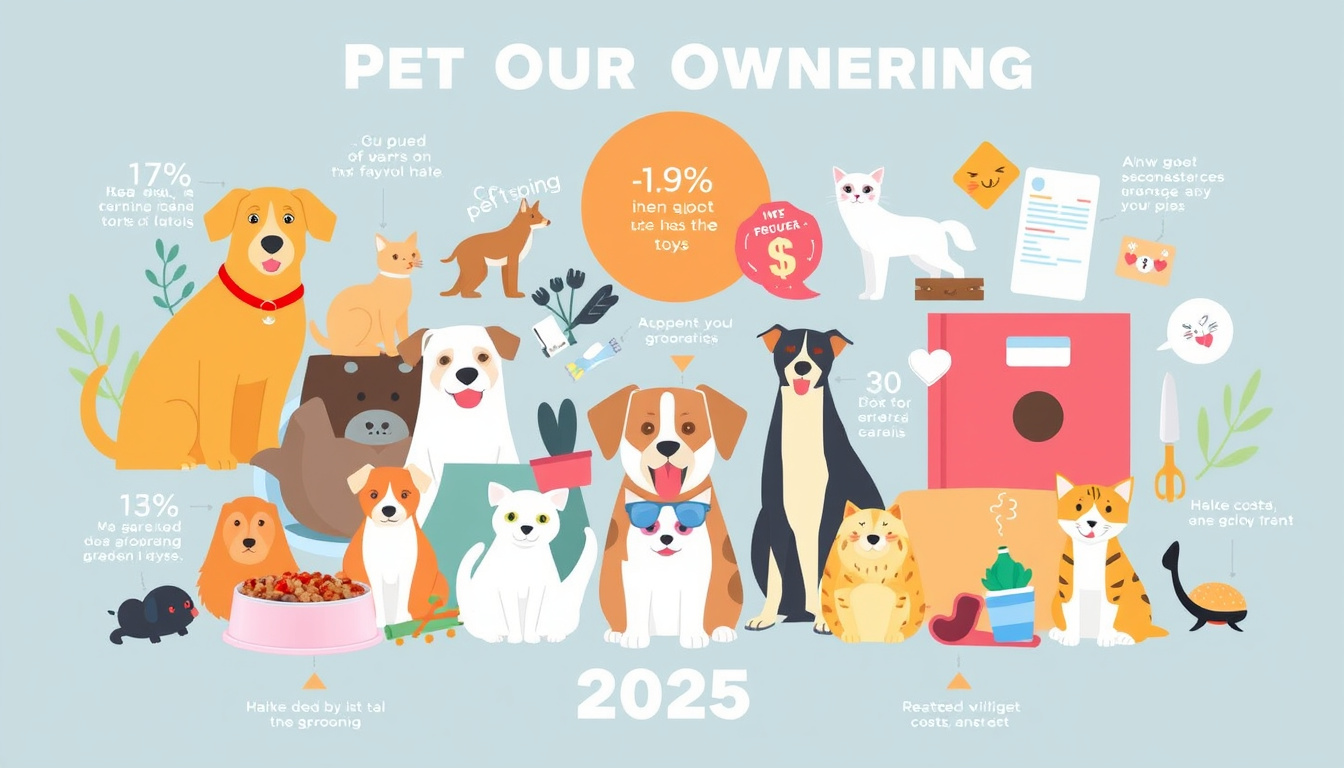
Pet costs are rising fast. Pet parents now pay more for food, training, grooming, and care. Rover released the “True Cost of Pet Parenthood Report.” Dog costs may rise by 7% this year. Cat costs might go up by 10%. These changes affect many households that care for their furry friends.

Increasing Monthly Costs for Pet Owners

Many pet owners feel their monthly bills add up. Sara Amato is a 37-year-old web designer in Union City, New Jersey. In 2022, she adopted Finn, a 3-year-old Australian cattle dog mix. Sara spends about $722 each month for Finn. That amount makes around $8,664 each year. She pays for food, insurance, grooming, and training. Sara also spent about $8,804 on one-time costs like extra training and surprise vet bills.

Finn has special needs. He suffers from severe allergies that need regular tests and ongoing immunotherapy. Sara said, “I knew adopting a dog was an investment, but I never expected the costs to be this high.” Despite high costs, she stays committed to keeping Finn healthy and happy.

Average Annual Costs on the Rise

Rover’s report shows dog costs will likely be between $1,390 and $5,295 a year by 2025. Age, size, breed, and health all shape these expenses. Puppies often cost even more, with expenses ranging from $1,520 to $6,415. Cat care costs have also climbed. Kittens may cost between $830 and $3,095 yearly. Adult cats cost between $760 and $3,495 a year. Older cats need more care and cost even more. Rover estimates a typical 10-year-old dog may cost about $34,550. A 16-year-old cat might cost around $32,170. ## Concerns About Tariffs and Inflation

Many pet owners worry about tariffs and inflation. In a survey, 52% of pet parents fear rising costs. According to Rover, pet goods and services are expected to cost more in 2025. Veterinary fees may increase by 11%, grooming supplies by 20%, cleaning products by 183%, and treats by 85%.

Nicole Ellis, a certified dog trainer and pet expert, said many families now face tighter budgets. Pet expenses now form a big part of a household budget. Many owners change their routines just to cover pet needs.

The Changing Landscape of Pet Ownership

The pet industry has changed a lot in recent years. Pets are no longer seen as simple companions. They are part of the family. In 2024, pet owners spent about $150.6 billion on pet care, up from $91 billion in 2018. This fast rise may push the industry to $207 billion by 2030. Nicole Ellis notes that as pet ownership grows more serious, owners spend more to keep their pets well. The love and care for pets drive higher overall spending.

Planning for the Future

With ever-growing pet expenses, planning ahead is wise. According to Rover, only 21% of pet owners include their pets in their wills, even though 40% think about it. Many owners also want tax breaks to help with pet costs. Financial advisers now suggest pet insurance to manage unexpected vet bills. In one survey, 33% of pet owners backed this idea.

Conclusion

The cost of owning a pet is high, yet many pet owners believe that the joy and love they get are worth every penny. “He is my companion, and I will spend whatever I have to make sure that he’s a happy, healthy, fulfilled dog,” said Sara. As pet care costs change, new pet owners need to budget wisely.

For more updates on consumer news, sign up for the USA TODAY Daily Money newsletter.

Betty Lin-Fisher is a consumer reporter for USA TODAY. Follow her on social media @blinfisher.

contact mindful ai media creations here: mindfulaimedia@gmail.com

Rising Costs and Tariff Concerns: The Financial Strain of Pet Ownership in 2025

Rising Costs and Tariff Concerns: The Financial Strain of Pet Ownership in 2025

Concerns Rise Among Pet Owners as Tariffs Threaten Affordability of Pet Care

SEATTLE — Many pet owners in the United States feel uneasy about new tariffs on pet products. Tariffs push prices higher during rising inflation. A Rover report called “True Cost of Pet Parenthood Report 2025” shows 52% of pet parents worry tariffs will raise pet ownership costs even more.

Rising Costs of Pet Care

Pet product prices climb steadily. Nearly 28% of pet owners fear they cannot afford these essentials. Owners have always worried about costs. Now, tariffs add to that concern.

Rebecca Greenstein, DVM, works daily with pet parents. She is also a Rover panelist and owner of Kleinburg Veterinary Hospital. She said, "People worry about high and rising pet care costs. Yet, pet parents stay devoted to their furry family." She advises careful financial planning and preventive care. Even when costs are high, the comfort pets bring is priceless.

Financial Breakdown of Pet Ownership

The report surveyed 1,000 pet parents across the country. It checked expenses from adoption fees to monthly and yearly costs. For example, a 10-year-old dog may cost about $34,550 in a lifetime. A 16-year-old cat’s care may reach $32,170. As pets live longer, costs grow too.

Tariffs may boost these costs further. The report predicts price hikes of:

  • 85% for treats and chews
  • 11% for veterinary fees
  • 183% for pet cleaning supplies
  • 20% for grooming supplies

Almost 48% of pet owners worry about rising expenses. Thirty-one percent say pet product prices grow faster than other items.

Pet Food: A Major Concern

Sixty-nine percent of pet owners report that food and treats are the largest expense. With prices climbing, 25% of pet parents now choose cheaper food or care services. Still, many want high-quality products. Sixty-eight percent promise to buy quality items. Twenty percent are even willing to pay more for better products.

Despite these changes, 34% of pet owners say pet spending is one of their last cuts if budgets tighten. To manage rising prices, 33% have reduced spending on groceries or entertainment.

The Situation in Canada

Canadian pet owners share similar worries. In Canada, a cat may cost up to $73,585 over its lifetime. A dog may cost around $53,935. Yearly spending ranges from $930 to $2,400 for cats and $965 to $4,020 for dogs.

Due to tariff concerns, 55% of Canadian pet owners choose local or Canada-made pet brands, even if they cost more. Among them, 57% of dog owners favor Canadian products.

Looking Ahead

Inflation and the threat of tariffs make pet care costs even tougher for many. As these costs continue to affect household budgets, many pet owners may need to change their financial plans.

For more details on pet costs, check Rover's True Cost of Pet Parenthood Report 2025.

Stay informed. Visit our news page for the latest pet food and care updates.

contact mindful ai media creations here: mindfulaimedia@gmail.com

Building an Instagram Presence from Scratch in 2025: My Ultimate Strategy

Building an Instagram Presence from Scratch in 2025: My Ultimate Strategy

In the rapidly changing world of social media, Instagram stands out. New users feel overwhelmed. In 2025, the landscape shifts. New challenges and fresh opportunities appear. Below is a step-by-step strategy to build an Instagram account from scratch. This plan aims to attract followers and form a community that matches your brand or mission.

───────────────────────────────────────────── Step 1: Define Your Brand Identity

Decide first: Will you build a personal brand or a business brand? People trust real persons more than faceless corporations. Notable voices like Elon Musk and Tim Cook show that personal brands spark fast growth. They build true connections.

To start clearly: • Clarify Your Mission. Answer: Who are you? What do you want? • Identify Your Audience. Ask: Who needs your message? • Articulate Your Unique Offerings. Show: What makes you different?

These ideas ground your Instagram work. They guide each post you create.

───────────────────────────────────────────── Step 2: Craft an Engaging Bio

Your bio introduces you in a tight space. You only have 150 characters. Every word must attach directly.

Follow this order:

  1. Who You Help. Example: "I empower vegan beginners" tells who benefits.
  2. Build Credibility. Use facts like "Featured on X Magazine" or "Guided 300 clients."
  3. Create a Call to Action. Urge readers to tap your link for a bonus or offer.

These short links between ideas make viewers see why your content matters.

───────────────────────────────────────────── Step 3: Dive into Content Creation

Once your bio is set, begin posting with purpose. Instead of waiting, start strong.

Keep it simple: • Post Frequently. Begin with 9 to 12 clear posts that show your style and skill. • Use Searchable Content. Answer common questions in your field. Keep your posts like search results. • Employ B-Roll Video. Record daily moments. Use these clips for engaging Reels.

Each post pairs ideas closely, so new followers quickly understand what they expect.

───────────────────────────────────────────── Step 4: Focus on Quality Over Virality

It feels good to go viral. Yet, it is better to attract the right audience. A small group that interacts deeply is best. Watch each post’s results. Learn what ties words and images together. Stay patient; posts may grow slowly at first.

───────────────────────────────────────────── Step 5: Engage Authentically with Your Audience

Direct talks grow your community. Reply to comments and visit others’ posts. Direct messages (DMs) make bonds strong.

Simple actions help: • Start Conversations. Ask questions. Reply to each comment. • Utilize Engaging Formats. Use polls and questions to prompt replies.

Each response links you closer to those who care about what you offer.

───────────────────────────────────────────── Step 6: Automate Where Possible

When activity grows, work can pile up. Use tools like ManyChat to ease the load. Automation helps you respond quickly while you create new posts.

Try these steps: • Set Up Automated DMs. Answer common questions without delay. • Create Triggers for Responses. For example, comments prompt quick replies.

This method ties technology to your engagement, freeing time for fresh ideas.

───────────────────────────────────────────── Final Thoughts

In 2025, building an Instagram presence requires clear plans and real talks. Define your brand, interact with care, and use smart tools. These steps build a community that grows both in numbers and in impact. Each like builds your digital influence. Enjoy each step and watch your brand rise.

contact us @mindfulaimedia@gmail.com

2025 Pet Parenthood Costs Revealed: What Pet Parents Need to Know

2025 Pet Parenthood Costs Revealed: What Pet Parents Need to Know

Rover Releases Annual True Cost of Pet Parenthood Report for 2025

SEATTLE, March 18, 2025 (GLOBE NEWSWIRE) – Rover, the top online pet care marketplace, has released its sixth annual True Cost of Pet Parenthood Report for 2025. The report shows updated costs for owning a pet. It explains what pet parents pay for dogs and cats. New economic trends drive these changes.

Rising Costs for Pet Owners

Pet care costs rise this year. Dog owners may pay up to 7% more, and cat owners may pay up to 10% more. On average, a 10-year-old dog costs about $34,550 over its life. A 16-year-old cat costs about $32,170.
Inflation and new tariffs push prices higher. Data shows that vet fees could jump by 11% next year. Pet cleaning supplies might cost 183% more. Grooming supplies may rise by 20%, and treats and chews might cost 85% more.

Financial Concerns Among Pet Parents

Many pet parents face money worries. 28% say they struggle to afford pet supplies. 52% worry that tariffs will make pet ownership costlier.
At the same time, adoption fees fall a bit. In 2025, a new dog costs between $1,150 and $4,420. Cat adoption fees now range from $750 to $2,715. These fees drop by 19% for dogs and 16% for cats compared to last year.

Insights from Pet Experts

Dr. Rebecca Greenstein, a Rover Pet People Panelist and owner of Kleinburg Veterinary Hospital, notes two clear points. People worry about rising costs, yet they continue to love their pets.
She urges future pet owners to set a budget, save for emergencies, and keep up with regular vet check-ups.

Key Findings from the Report

Rover gathered insights from a survey of 1,000 U.S.-based pet parents in February 2025. Some key findings are:

  • Pet Adoption Trends: 20% of pet parents adopted a pet in 2024. 33% plan to add a pet in the next year.
  • Financial Planning: Many pet parents (69%) spend most of their budget on pet food and treats. 33% even cut back on other spending to care for their pets.
  • Will and Tax Considerations: 21% of pet parents include their pets in legal plans. 44% wish for more tax benefits for pet care.

Variability in Pet Care Costs Across Regions

Pet care costs differ by location. The report names Parsons, KS, and Lawton, OK as the most affordable cities. In contrast, Manhattan, NY, and San Francisco, CA, appear as the least affordable.

Conclusion

For more details on lifetime pet costs and regional trends, read Rover’s full True Cost of Pet Parenthood Report for 2025.
To learn more about Rover and its pet care services, visit www.rover.com.


Media Contact:
Kristin Sandberg
pr@rover.com
360-510-6365

contact mindful ai media creations here: mindfulaimedia@gmail.com

Navigating the Rising Costs in Veterinary Medicine: Challenges and Strategies for Success

Navigating the Rising Costs in Veterinary Medicine: Challenges and Strategies for Success

Rising Veterinary Medical Costs Present Significant Challenges Amid Industry Growth

By Maureen Blaney Flietner
Published April 28, 2025

In the United States, veterinary care spending is set to rise by $41.4 billion this year. The American Pet Products Association shows growth from $35.9 billion in 2022 to nearly $41.4 billion in 2025. Behind this growth, practices face higher costs and financial strain. Costs increase because hiring, tariffs, and expenses work together against smooth operations.

Hiring Costs on the Rise

A main worry is the higher cost of hiring skilled veterinarians. Leslie Boudreau, BASVT, RVTg, CVPM, SPHR, PHRca, leads at the AAHA-accredited Animal Hospital of Huntington Beach in California. She also serves as vice president and incoming president of the Veterinary Hospital Managers Association (VHMA). Boudreau explains that even though the American Veterinary Medical Association says there are enough veterinarians, many choose government, military, or specialized roles. This leaves private practices with fewer staff members.

Boudreau states, "The cost to hire a veterinarian has risen exponentially in recent months." New graduates need careful mentoring and support, which slows work and drives up costs. Many veterinarians now shift jobs, often lured by signing bonuses. This shift forces practices to trim operating hours or close on certain days when staff are missing.

Financial Strain from Tariffs and Insurance

Rising costs from tariffs and insurance also add strain. International tariffs on imported products create uncertainty and raise the cost for supplies like gauze and syringes. At the same time, insurance rates climb, especially with new cyberattack protection rules.

Karen E. Felsted, CPA, MS, DVM, CVPM, CVA, and owner of PantheraT Veterinary Management Consulting in Texas, agrees. She sees three concerns: economic unpredictability, fewer veterinary visits, and ongoing staff shortages. These issues together put the future of veterinary services at risk.

Adaptation Strategies for Veterinary Practices

Faced with these pressures, Boudreau says her practice now "price shops" to manage expenses. As a small, private hospital, they joined buying groups to negotiate better deals. They also offer more cost-effective alternatives. For example, the hospital now streamlines medication options and sells less profitable items online.

The facility also deals with high credit card processing fees. To handle this, they added a small convenience fee for credit card payments—a move that has received mixed reactions from clients.

Felsted suggests several ideas. Practice leaders should focus on excellent client service to keep and gain customers. They should build or review an emergency fund, reduce spending, pay down debt, and discuss safe financial options with clients.

The Bigger Picture

Despite these challenges, Boudreau remains hopeful. She stresses that veterinary practices must get creative and control what they can. "Veterinary practices have to get creative and look at everything within their control," she says.

Even as the veterinary field grows, balancing quality service with financial stability is hard. With rising costs and changing pet owner views, the industry must adapt quickly to support both veterinarians and pet owners.

Conclusion

The veterinary industry now faces rising hiring costs, tariffs, and shifting economic conditions. As practices work to keep high standards of care, creative solutions and sound financial strategies are key. The future depends on innovations that help practices manage expenses and serve their communities well.

For ongoing updates and insights from the American Animal Hospital Association, visit AAHA's official site.


Disclaimer: The viewpoints expressed in this article do not represent an official stance of the American Animal Hospital Association or its Board of Directors.

contact mindful ai media creations here: mindfulaimedia@gmail.com
Featured Post

Navigating the Future of Healthcare: The Promises and Pitfalls of Artificial Intelligence

Artificial Intelligence (AI) appears as a threat in movies and books. Yet in healthcare, AI acts as a trusted helper. It saves lives, impr...