Saturday, May 24, 2025

Building an Instagram Presence from Scratch in 2025: My Ultimate Strategy

Building an Instagram Presence from Scratch in 2025: My Ultimate Strategy

In the rapidly changing world of social media, Instagram stands out. New users feel overwhelmed. In 2025, the landscape shifts. New challenges and fresh opportunities appear. Below is a step-by-step strategy to build an Instagram account from scratch. This plan aims to attract followers and form a community that matches your brand or mission.

───────────────────────────────────────────── Step 1: Define Your Brand Identity

Decide first: Will you build a personal brand or a business brand? People trust real persons more than faceless corporations. Notable voices like Elon Musk and Tim Cook show that personal brands spark fast growth. They build true connections.

To start clearly: • Clarify Your Mission. Answer: Who are you? What do you want? • Identify Your Audience. Ask: Who needs your message? • Articulate Your Unique Offerings. Show: What makes you different?

These ideas ground your Instagram work. They guide each post you create.

───────────────────────────────────────────── Step 2: Craft an Engaging Bio

Your bio introduces you in a tight space. You only have 150 characters. Every word must attach directly.

Follow this order:

  1. Who You Help. Example: "I empower vegan beginners" tells who benefits.
  2. Build Credibility. Use facts like "Featured on X Magazine" or "Guided 300 clients."
  3. Create a Call to Action. Urge readers to tap your link for a bonus or offer.

These short links between ideas make viewers see why your content matters.

───────────────────────────────────────────── Step 3: Dive into Content Creation

Once your bio is set, begin posting with purpose. Instead of waiting, start strong.

Keep it simple: • Post Frequently. Begin with 9 to 12 clear posts that show your style and skill. • Use Searchable Content. Answer common questions in your field. Keep your posts like search results. • Employ B-Roll Video. Record daily moments. Use these clips for engaging Reels.

Each post pairs ideas closely, so new followers quickly understand what they expect.

───────────────────────────────────────────── Step 4: Focus on Quality Over Virality

It feels good to go viral. Yet, it is better to attract the right audience. A small group that interacts deeply is best. Watch each post’s results. Learn what ties words and images together. Stay patient; posts may grow slowly at first.

───────────────────────────────────────────── Step 5: Engage Authentically with Your Audience

Direct talks grow your community. Reply to comments and visit others’ posts. Direct messages (DMs) make bonds strong.

Simple actions help: • Start Conversations. Ask questions. Reply to each comment. • Utilize Engaging Formats. Use polls and questions to prompt replies.

Each response links you closer to those who care about what you offer.

───────────────────────────────────────────── Step 6: Automate Where Possible

When activity grows, work can pile up. Use tools like ManyChat to ease the load. Automation helps you respond quickly while you create new posts.

Try these steps: • Set Up Automated DMs. Answer common questions without delay. • Create Triggers for Responses. For example, comments prompt quick replies.

This method ties technology to your engagement, freeing time for fresh ideas.

───────────────────────────────────────────── Final Thoughts

In 2025, building an Instagram presence requires clear plans and real talks. Define your brand, interact with care, and use smart tools. These steps build a community that grows both in numbers and in impact. Each like builds your digital influence. Enjoy each step and watch your brand rise.

contact us @mindfulaimedia@gmail.com

2025 Pet Parenthood Costs Revealed: What Pet Parents Need to Know

2025 Pet Parenthood Costs Revealed: What Pet Parents Need to Know

Rover Releases Annual True Cost of Pet Parenthood Report for 2025

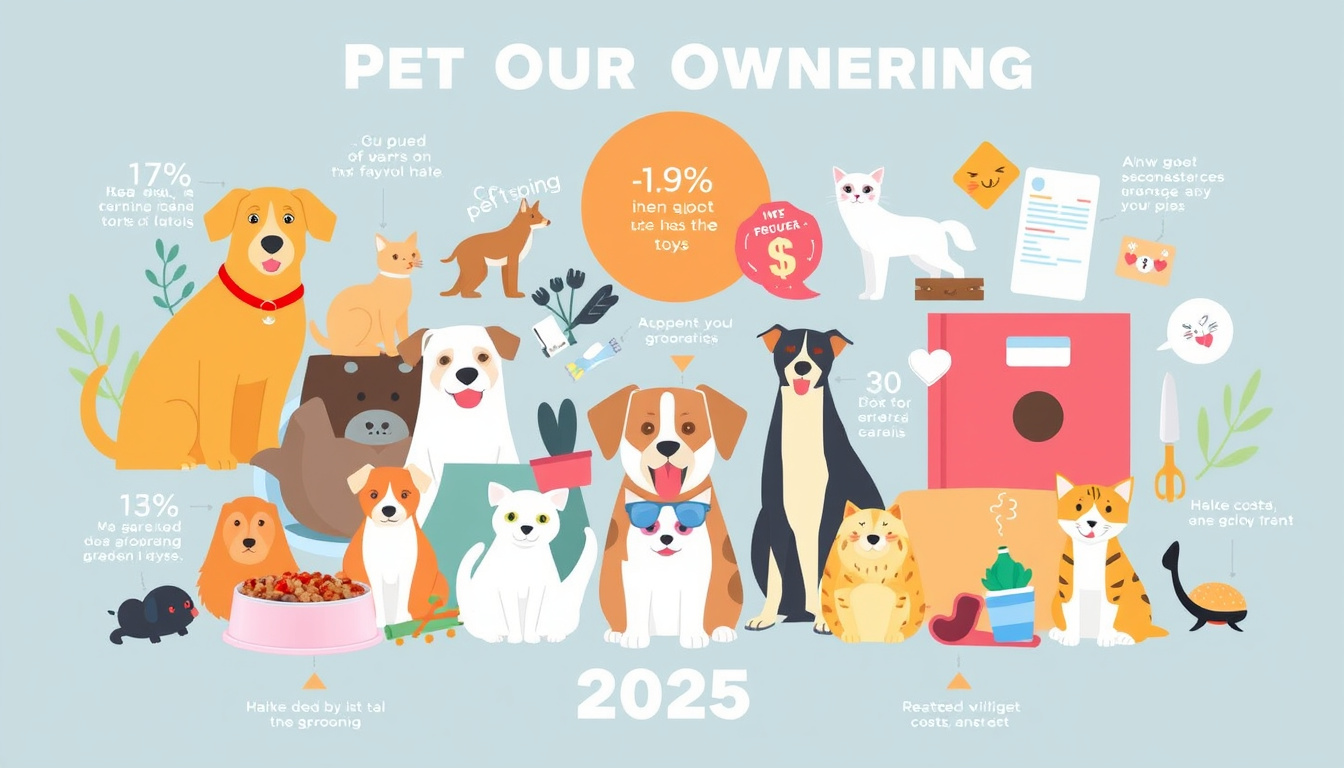
SEATTLE, March 18, 2025 (GLOBE NEWSWIRE) – Rover, the top online pet care marketplace, has released its sixth annual True Cost of Pet Parenthood Report for 2025. The report shows updated costs for owning a pet. It explains what pet parents pay for dogs and cats. New economic trends drive these changes.

Rising Costs for Pet Owners

Pet care costs rise this year. Dog owners may pay up to 7% more, and cat owners may pay up to 10% more. On average, a 10-year-old dog costs about $34,550 over its life. A 16-year-old cat costs about $32,170.
Inflation and new tariffs push prices higher. Data shows that vet fees could jump by 11% next year. Pet cleaning supplies might cost 183% more. Grooming supplies may rise by 20%, and treats and chews might cost 85% more.

Financial Concerns Among Pet Parents

Many pet parents face money worries. 28% say they struggle to afford pet supplies. 52% worry that tariffs will make pet ownership costlier.
At the same time, adoption fees fall a bit. In 2025, a new dog costs between $1,150 and $4,420. Cat adoption fees now range from $750 to $2,715. These fees drop by 19% for dogs and 16% for cats compared to last year.

Insights from Pet Experts

Dr. Rebecca Greenstein, a Rover Pet People Panelist and owner of Kleinburg Veterinary Hospital, notes two clear points. People worry about rising costs, yet they continue to love their pets.
She urges future pet owners to set a budget, save for emergencies, and keep up with regular vet check-ups.

Key Findings from the Report

Rover gathered insights from a survey of 1,000 U.S.-based pet parents in February 2025. Some key findings are:

  • Pet Adoption Trends: 20% of pet parents adopted a pet in 2024. 33% plan to add a pet in the next year.
  • Financial Planning: Many pet parents (69%) spend most of their budget on pet food and treats. 33% even cut back on other spending to care for their pets.
  • Will and Tax Considerations: 21% of pet parents include their pets in legal plans. 44% wish for more tax benefits for pet care.

Variability in Pet Care Costs Across Regions

Pet care costs differ by location. The report names Parsons, KS, and Lawton, OK as the most affordable cities. In contrast, Manhattan, NY, and San Francisco, CA, appear as the least affordable.

Conclusion

For more details on lifetime pet costs and regional trends, read Rover’s full True Cost of Pet Parenthood Report for 2025.
To learn more about Rover and its pet care services, visit www.rover.com.


Media Contact:
Kristin Sandberg
pr@rover.com
360-510-6365

contact mindful ai media creations here: mindfulaimedia@gmail.com

Navigating the Rising Costs in Veterinary Medicine: Challenges and Strategies for Success

Navigating the Rising Costs in Veterinary Medicine: Challenges and Strategies for Success

Rising Veterinary Medical Costs Present Significant Challenges Amid Industry Growth

By Maureen Blaney Flietner
Published April 28, 2025

In the United States, veterinary care spending is set to rise by $41.4 billion this year. The American Pet Products Association shows growth from $35.9 billion in 2022 to nearly $41.4 billion in 2025. Behind this growth, practices face higher costs and financial strain. Costs increase because hiring, tariffs, and expenses work together against smooth operations.

Hiring Costs on the Rise

A main worry is the higher cost of hiring skilled veterinarians. Leslie Boudreau, BASVT, RVTg, CVPM, SPHR, PHRca, leads at the AAHA-accredited Animal Hospital of Huntington Beach in California. She also serves as vice president and incoming president of the Veterinary Hospital Managers Association (VHMA). Boudreau explains that even though the American Veterinary Medical Association says there are enough veterinarians, many choose government, military, or specialized roles. This leaves private practices with fewer staff members.

Boudreau states, "The cost to hire a veterinarian has risen exponentially in recent months." New graduates need careful mentoring and support, which slows work and drives up costs. Many veterinarians now shift jobs, often lured by signing bonuses. This shift forces practices to trim operating hours or close on certain days when staff are missing.

Financial Strain from Tariffs and Insurance

Rising costs from tariffs and insurance also add strain. International tariffs on imported products create uncertainty and raise the cost for supplies like gauze and syringes. At the same time, insurance rates climb, especially with new cyberattack protection rules.

Karen E. Felsted, CPA, MS, DVM, CVPM, CVA, and owner of PantheraT Veterinary Management Consulting in Texas, agrees. She sees three concerns: economic unpredictability, fewer veterinary visits, and ongoing staff shortages. These issues together put the future of veterinary services at risk.

Adaptation Strategies for Veterinary Practices

Faced with these pressures, Boudreau says her practice now "price shops" to manage expenses. As a small, private hospital, they joined buying groups to negotiate better deals. They also offer more cost-effective alternatives. For example, the hospital now streamlines medication options and sells less profitable items online.

The facility also deals with high credit card processing fees. To handle this, they added a small convenience fee for credit card payments—a move that has received mixed reactions from clients.

Felsted suggests several ideas. Practice leaders should focus on excellent client service to keep and gain customers. They should build or review an emergency fund, reduce spending, pay down debt, and discuss safe financial options with clients.

The Bigger Picture

Despite these challenges, Boudreau remains hopeful. She stresses that veterinary practices must get creative and control what they can. "Veterinary practices have to get creative and look at everything within their control," she says.

Even as the veterinary field grows, balancing quality service with financial stability is hard. With rising costs and changing pet owner views, the industry must adapt quickly to support both veterinarians and pet owners.

Conclusion

The veterinary industry now faces rising hiring costs, tariffs, and shifting economic conditions. As practices work to keep high standards of care, creative solutions and sound financial strategies are key. The future depends on innovations that help practices manage expenses and serve their communities well.

For ongoing updates and insights from the American Animal Hospital Association, visit AAHA's official site.


Disclaimer: The viewpoints expressed in this article do not represent an official stance of the American Animal Hospital Association or its Board of Directors.

contact mindful ai media creations here: mindfulaimedia@gmail.com

Rising Tariffs Stress Pet Owners: Shelters Prepare for Surge in Surrenders

Rising Tariffs Stress Pet Owners: Shelters Prepare for Surge in Surrenders

Rising Costs of Pet Ownership Due to Tariffs Lead to Increased Shelter Surrenders

Iowa City, Iowa — Pet owners now face steep costs. Tariffs raise prices for pet food and supplies. This change forces many owners into hard decisions. Shelters see these changes as a direct root of more pet surrenders.

Forbes reports that owning a dog costs about $34,550 by age 10. For cats, expenses can add up to $32,170 by age 16. Devon Strief, the animal services coordinator at the Iowa City Animal Care and Adoption Center, says, "The number was actually really mind-blowing to me." Here, the cost of care links closely to the decision to keep a pet.

Tariffs, set by earlier policies, push up the price of basic pet items. This pressure, felt by households already in trouble, makes each extra cost hit harder. Darlene Olshansky, a pet trainer and volunteer, notes that new pet owners often miss these hidden costs. They bring a pet home, then learn that expenses add up. As a result, many pets end up with shelters.

Today’s economic strains—job losses and housing worries—tighten family budgets. Families need both vet care and food. When extra expenses attach to these needs, problems multiply. Strief warns that these rising costs will likely lead to even more surrenders at shelters.

Strief also points out that shelters now struggle to care for all the pets. Many shelters brim with animals. They lack enough cages or kennels to house them safely. This shortfall is unfair for both the animals and the staff who must care for them.

The Iowa City Animal Care and Adoption Center now asks future pet owners to think carefully. They urge people to learn every cost before adopting a pet. Strief explains that a well-planned choice can keep the chain of extra expenses—and resulting surrenders—from growing.

Communities, now more than ever, must support local shelters. By understanding and sharing the true cost of pet care, each person helps reduce the burden on families and shelters alike.

contact mindful ai media creations here: mindfulaimedia@gmail.com

Experience History: Join Trump for a Live Commencement Speech at West Point

Experience History: Join Trump for a Live Commencement Speech at West Point

The United States Military Academy at West Point will host an important event. Former President Donald Trump will deliver the commencement address. The event starts Saturday at 10:15 a.m. EDT. His speech marks a key moment for the cadets. It also shows the current changes in military leadership and education in America.

West Point is known for training top military leaders. The Academy has a proud history. This graduation stands out because it happens amid rising tensions. Tensions grow between Trump’s group and higher education. The administration opposes diversity, equity, and inclusion programs. This stance sparks debates at military academies and elsewhere.

Trump’s address will connect ideas about military roles. It focuses on the future steps for cadets. It may also share parts of his defense plan. Early in his presidency, he reshaped the Defense Department. He stressed clean, close leadership that meets national needs.

Graduates now prepare to leave the classroom. They soon join the U.S. Armed Forces. Trump’s words will speak to their journey. His ties with the military run deep. His speech will honor their hard work and warn of future trials.

This event matters to those who follow politics, military service, and education. Watching it live offers a chance to see history take shape. Whether you back Trump or not, his address will stir debates on military training and future rules.

As the day at West Point nears, excitement fills the air. This moment marks both an ending and a new start. With live coverage, viewers across the nation can watch this critical event unfold.

Feel free to contact me here at mindfulaimedia@gmail.com

Pet Care Costs on the Rise: How Proposed Tariffs Could Impact Your Wallet

Pet Care Costs on the Rise: How Proposed Tariffs Could Impact Your Wallet

Proposed Tariffs Could Drive Up Pet Care Costs for Owners Nationwide

By Amber Grigley
Posted [Date]

Indianapolis, IN — Pet ownership grows popular. Many pet owners now worry about high costs. Tariffs can raise prices for pet supplies and services. The Trump Administration’s proposed tariffs add to these fears.

Ellie Cornett owns a King Charles Cavalier named Winston. She battles high expenses. She buys special pet food. A bag costs about $50. She uses one bag every month. Her words show the heavy cost for many students.

Steven Howes owns an AKC registered Pembroke Welsh corgi. He sees costs climb too. He says that vaccination prices nearly doubled. Pet care costs add up fast.

A Rover report, called "True Cost of Pet Parenthood," shows dog costs may rise about 7% this year. Cat costs could go up by 10%. Experts link these jumps to higher tariffs.

Professor Andreas Hauskrecht teaches business economics at Indiana University Kelley School of Business. He explains that soft food comes in cans. The cans cost more because tariffs affect steel and aluminum. He adds that pet food ingredients come from Mexico and Canada. The supply chains connect these costs to tariffs.

Hauskrecht stresses that Hoosiers must notice these changes. He says Indiana is part of complex supply chains. This connects local business to national tariff policies.

Despite higher prices, pet owners like Howes stay true to their pets. He says, “For avid dog lovers and cat lovers, these costs aren’t going to stop us from providing the best life for our pets.” He compares pet care to raising children. “He’s like my third kid,” he adds.

Looking ahead, Rover data shows that by 2025, dog ownership may cost between $1,400 and $5,200 per year. Cat nurturing might cost between $750 and $3,500 per year.

As pet owners face these rising costs, they hope industry and government act soon. They need solutions that ease price hikes and keep pet care quality high for owners in every state.

contact mindful ai media creations here: mindfulaimedia@gmail.com

From Passion to Profession: My Journey in the Pet Transportation Industry with CitizenShipper

From Passion to Profession: My Journey in the Pet Transportation Industry with CitizenShipper

Three years ago, I never saw my life pivot to travel and animal care. Yet today, my life circles around both. I explore Baja California’s rich scenes and reflect on my pet transport work. I travel from Alaska to Key West and beyond. I meet pets and their families along the way.

Discovering the Pet Transportation World

During the summer of 2020, free time came my way. I scrolled on Facebook and saw an ad for CitizenShipper. This site links people needing pet transport with drivers who can help. I loved animals. I had a fuel-saving car. I set up a profile. I landed my first task: moving a puppy from Ohio to Michigan. Soon after, I drove to North Carolina. I quickly grew to love this work.

Establishing My Business

Working more, I saw chance for growth. I formed my business, PurplePup LLC. I got USDA certification and insurance. I learned pet transport rules. I care for pets and follow guidelines. I fly small animals—usually under 20 pounds—between airports, and they reach their families on the same day. I also drive larger pets when families move during life changes.

A Rewarding Experience

A clear memory comes of transporting Fenway—a small English cream golden retriever. I drove him back to North Carolina. I felt a strong bond with him. I kept Fenway safe and calm during the trip. I learned my work is more than just moving animals. It is about offering care and comfort to pets and families. I grew attached to Fenway and even shed a tear when he left. That moment proved my work matters and fills me with purpose.

The Commitment to Quality Care

My business puts pet care first. I help new adoptions and family moves. I send pet parents regular updates, pictures, and messages. This builds trust and calm. I follow USDA rules to give animals quality care. I sometimes team up with other drivers who share my values, ensuring every pet is treated with kindness.

Inspiring Others

If you wish to work in pet transport, try services like CitizenShipper. You can be a flight nanny or ground transporter. You blend work with love for animals. I have found great joy in meeting furry friends and giving them help in tough times. There are guides to set up your business and to get licenses and work. The pet transport community is warm and ready to welcome newcomers.

Conclusion

I look back on my journey in pet transport with gratitude. I do more than move pets; I help reunite families during big changes. This path lets me travel, learn, and nurture my love for animals. I continue this adventure with every journey, sharing these moments and stories along the way. I am thankful for a life filled with care, love, and constant discovery.

contact us @mindfulaimedia@gmail.com
Featured Post

Navigating the Future of Healthcare: The Promises and Pitfalls of Artificial Intelligence

Artificial Intelligence (AI) appears as a threat in movies and books. Yet in healthcare, AI acts as a trusted helper. It saves lives, impr...