Friday, May 23, 2025

Crafting the Purr-fect Pet Profile: A Guide to Capturing Your Furry Friend's Essence

Crafting the Purr-fect Pet Profile: A Guide to Capturing Your Furry Friend

Creating a clear profile for your pet helps find a loving home. Your bio shows your pet’s traits and needs and links them closely to a matching adopter. Here are some simple steps to write an engaging pet profile.

────────────────────────────

  1. Highlight the Ideal Home Environment ──────────────────────────── Start with a sentence that tells which home suits your pet best. Mention if your pet feels safe with children, other pets, or in a quiet space. If your pet loves calm rooms, say so. If a lively home makes your pet happy, mention that too. For example:

"Hi, I am Bella. I live with two playful cats and a kind toddler. I love the cats. I enjoy playtime. But I need gentle meetings with dogs because they can be too strong. I love kids who give me space."

Each word is close to its partner, which makes the meaning clear for adopters who have other pets or children.

──────────────────────────── 2. Be Honest About Their Background ──────────────────────────── Tell the truth about your pet’s past. List any challenges or habits in a calm way. For example, if your pet is shy, you might say:

"I like quiet time. I build trust slowly. I need a calm and kind home."

This close link of words helps adopters see if they can meet your pet’s needs.

──────────────────────────── 3. Focus on Positive Traits and Skills ──────────────────────────── Show what makes your pet special. List good traits and fun skills in short, clear sentences. You could write:

"Even though I am shy sometimes, I am full of love. I like quiet cuddle sessions and gentle play. I can be a loyal friend."

Each pair of words connects closely to make the ideas easy to understand.

──────────────────────────── 4. Use Gentle Language ──────────────────────────── Choose kind words for all traits. When describing a challenging behavior, use soft language. For example, instead of saying:

"I am aggressive when I play,"

you can say:

"I enjoy active play but need soft touches."

This way, the words stay close in meaning and give adopters a warm view of your pet.

──────────────────────────── 5. Craft a Strong Conclusion ──────────────────────────── End with a kind call-to-action. Invite adopters to give your pet a loving home. A clear conclusion might be:

"I am ready to share my love with the right family. If we are a good match, please consider adopting me!"

This final message connects each idea tightly, leaving adopters with a clear and friendly invitation.

──────────────────────────── Additional Tips ──────────────────────────── • Collaborate with the Foster Team:
 Ask your coordinator for support. They have templates and ideas from other pet bios.

• Keep it Concise Yet Informative:
 Use short sentences that keep ideas close. This makes the bio clear and easy to read.

• Update as Needed:
 If your pet shows new traits, change the bio. A fresh profile stays engaging and true.

──────────────────────────── In Summary ──────────────────────────── Your pet profile must mix honesty with warmth. Short, close word links make each idea clear. This method shows your pet’s needs and lovable traits. Thank you for your care—your effort makes a real difference in a pet’s life!

contact us @mindfulaimedia@gmail.com

Rising Pet Costs: Smart Tips to Save on Food, Care, and Supplies

Rising Pet Costs: Smart Tips to Save on Food, Care, and Supplies

Rising Pet Costs: Practical Tips for Pet Owners to Save Money

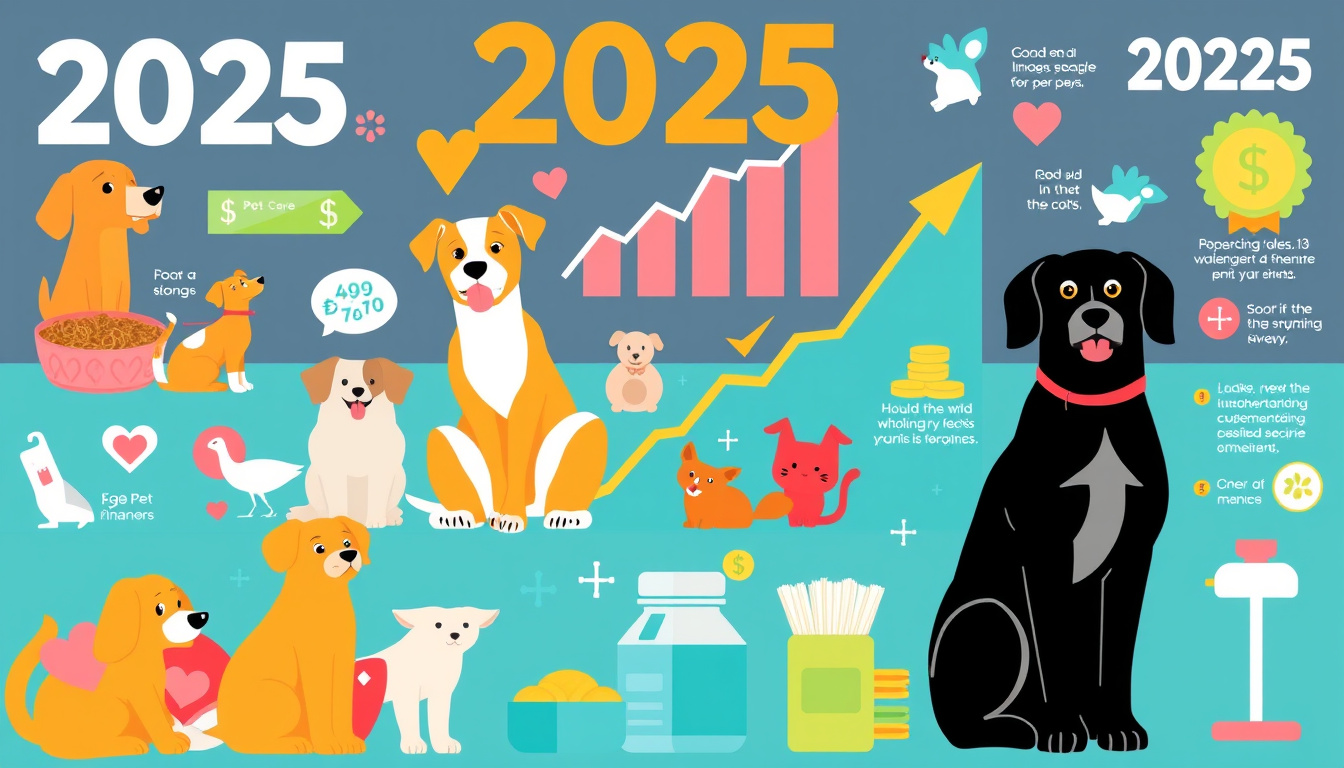
Pet ownership grows in the United States, and pet costs rise. Owners feel the pressure when prices climb. Rover’s "True Cost of Pet Parenthood Report" links dog care with a 7% rise and cat care with a 10% increase. Pet food, toys, and vet care grow costlier today. Owners now search for smart ways to spend less.

Strategies to Save on Pet Food

Food is one of the biggest costs for pet owners. Jaron Byrum, owner of Wagz and Pawz Pet Supplies, links smart buying with savings. He tells owners to stick to one store and join its loyalty program. Every $100 spent nets $10 off the next visit, he explains.

Byrum warns against the cheapest food brands. Cheap food often hides fillers and low protein. He links these traits to extra eating for pets and more cost later. Bulk pet food links to lower cost per ounce when compared to small bags.

Planning for Veterinary Expenses

Vet fees are set to increase, with Rover linking them to an 11% rise. Dr. Rebecca Greenstein, Rover’s veterinary advisor, links prompt care to saving money. She stresses that fixing health issues early cuts costs later. For instance, managing leptospirosis links to hundreds of dollars, while its vaccination links to less than $50 a year.

Pet insurance links to peace of mind for many owners. This option links high costs to small, steady monthly payments. It helps in emergencies when bills rise suddenly.

Considering Future Costs Due to Tariffs

Tariffs now link to higher prices on feed and vet supplies. This link matters for owners with larger animals or farms. Tariffs on livestock can link directly to increased vet charges. Byrum links local buying to lower tariff effects. Using local treats and supplies helps owners avoid extra shipping fees.

Prioritizing Quality in Pet Supplies

When buying pet gear like clothing or leashes, quality connects to long-term savings. Investing in strong products usually links with warranties. In contrast, cheaper items link to frequent replacement and extra cost.

Conclusion: Preparing for Higher Costs

Pet adoption costs may drop, but rising expenses still stress many owners. Dr. Greenstein links this trend to tighter budgets for pet families. Now is the time to put smart, practical plans in place.

As the pet industry evolves, staying informed and linking with budget-friendly ideas help ensure your pet gets good care without unnecessary cost. For more consumer news and money-saving tips, visit Don't Waste Your Money.

Copyright 2025 Scripps Media, Inc. All rights reserved. This material may not be published, broadcast, rewritten, or redistributed.

contact mindful ai media creations here: mindfulaimedia@gmail.com

Thursday, May 22, 2025

Bracing for the Financial Impact: The Rising Costs of Pet Parenthood in 2025

Bracing for the Financial Impact: The Rising Costs of Pet Parenthood in 2025

The Rising Costs of Pet Ownership: What You Need to Know

Pet ownership is a cherished duty for many Americans. The cost to care for dogs and cats is rising fast. Rover’s "True Cost of Pet Parenthood Report" shows that expenses will grow in 2025. Pet parents must know these changes to plan and budget well.

An Example of Pet Ownership Costs

Sara Amato is a web designer living in Union City, New Jersey. She adopted Finn, an Australian cattle dog mix, at eight weeks old. After two years with Finn, Sara shares her costs. She spends about $722 each month. This money goes for special food, pet insurance, training, and grooming. Her annual total works out to $8,664. Sara also spent nearly $8,804 once. These one-time fees were for Finn’s puppy training, surprise medical bills, and allergy tests. Finn is allergic to many things, such as human skin and trees. This makes his care and special diet costly. Sara said, “I will spend whatever I have to to make sure that he's a happy, healthy, fulfilled dog.”

Increasing Costs for Pet Owners

Rover’s report shows rising costs for pet care. Dog expenses may go up by 7% this year, while cat costs may rise by 10%. A typical dog owner now spends between $1,390 and $5,295 a year. This range depends on a dog’s breed, size, age, and health. Cat owners pay about $830 to $3,095 each year. This is a 10% jump from last year.

The cost of a pet over its lifetime grows too. For a 10-year-old dog, the total cost is near $34,550. For a 16-year-old cat, it is about $32,170. ## External Factors Affecting Pet Care Costs

Costs are rising because product and service prices grow. New tariffs on imported goods may add to the prices of pet supplies. In a survey of 1,000 pet parents, 52% worry that tariffs will stress their budgets. Rover expects prices to spike in many areas. Veterinary services, cleaning products, grooming supplies, treats, and chew items may cost more. Cleaning supplies may cost up by 183% and grooming items up by 20%. Nearly 69% of pet parents say food and treats take most of their pet budget. One out of three owners has had to cut spending in other areas for their pets.

Changing Perspectives on Pet Ownership

Many people now see pets as family members. Nicole Ellis, a certified dog trainer and pet lifestyle expert with Rover, says this change leads to higher spending on pet health and care. The American Pet Products Association notes that spending on pets hit $150.6 billion in 2024. This is a big jump from $91 billion in 2018. The spending might reach $207 billion by 2030. This growth shows the rapid change in the pet industry.

Planning for Pet Care

As costs rise, pet parents plan for unexpected events. A Rover survey found that 21% of pet parents now list their pets in legal documents like wills. Another 40% think about making similar plans. Pet owners also set aside funds for sudden vet visits and emergencies. Many see pet insurance as a smart buy, with one-third opting for it.

The Personal Touch of Pet Ownership

Even if costs are high, love for a pet makes it all worthwhile. Sara Amato shows how deep that bond can be. She admits that her spending on Finn is more than the average pet expense. Yet, she feels no regret. “He’s like my child,” she said. This feeling mirrors the strong bond many pet owners share with their pets.

The financial side of pet care is changing. Future pet parents must watch these cost trends and prepare for a long commitment.

For more on consumer spending and pet care trends, subscribe to USA TODAY's Daily Money newsletter. It offers tips to help manage expenses effectively.


This version aims for tight word connections and a clear, simple structure that makes the text easier to understand while keeping the original formatting.

contact mindful ai media creations here: mindfulaimedia@gmail.com

Pet Ownership at Risk: 52% of Owners Fear Rising Tariffs Will Break the Bank

Pet Ownership at Risk: 52% of Owners Fear Rising Tariffs Will Break the Bank

Rising Costs of Pet Ownership: Over Half of Pet Owners Concerned About Tariffs Impacting Affordability

Seattle, WA – A report shows that US pet owners feel financial worry. Over half (52%) fear that tariffs add to pet care expenses. Inflation continues. Tariffs threaten further price rises. Pet products now cost more. Pet parents across the nation see their budgets shrink.

Rover’s “True Cost of Pet Parenthood Report 2025” gathers views from 1,000 pet owners. Many note that tariffs push up pet goods prices. Today, 28% worry they cannot pay for key pet items. This data paints a troubling money picture.

Rebecca Greenstein, DVM, works with pet parents every day. She says, “Pet owners face two facts. They worry about rising costs. They still care deeply for their furry family members.” She adds, “A healthy cat or dog may live for ten years or more. Their love stays priceless.”

Cost Breakdown for Pet Ownership

Rover’s report shows a 10-year-old dog may cost about $34,550 over its life. A 16-year-old cat may cost around $32,170. As veterinary care helps pets live longer, these numbers grow. With inflation and new tariffs, owners may pay much more. Treats and chews cost roughly 85% more. Veterinarian fees jump 11%. Pet cleaning supplies increase by 183%. Grooming supplies rise 20%.

Almost half (48%) of pet owners worry about long-term costs. Sixty-nine percent say most of their pet money goes to food and treats. Twenty-five percent now choose cheaper options to save money.

Yet, 34% of pet owners say pet care is a last cut if budgets shrink. Many pick quality products for good pet health. Sixty-eight percent choose food as good as their own. Another 20% opt for even higher quality.

Canadian Pet Owners Facing Similar Challenges

Canadian pet owners also wrestle with costs. Rover’s study shows higher lifetime pet expenses in Canada—up to $73,585 for cat owners and $53,935 for dog owners. Each year, dog spending ranges from $930 to $4,020, based on needs.

Many Canadian owners face price hikes. Dog costs may go up 18% this year. Cat costs might rise 41%. In response, 55% now buy Canadian or local pet products. Dog owners especially choose local items to fight tariffs and help local trade.

Conclusion

Inflation and tariffs press hard on pet owners in the United States and Canada. As pet product prices climb, owners must balance tough budget choices with care for their pets.

For more insight, see Rover’s "True Cost of Pet Parenthood Report 2025" for details on today’s pet care trends and spending habits.

contact mindful ai media creations here: mindfulaimedia@gmail.com

Revealing the True Cost of Pet Parenthood: Rover's 2025 Report Uncovers Rising Expenses and Financial Insights for Pet Owners

Revealing the True Cost of Pet Parenthood: Rover

Pet Parenthood Costs Set to Rise in 2025, According to Rover Report

March 18, 2025 | Seattle, WA – Rover released its sixth True Cost of Pet Parenthood Report for 2025. The report shows pet costs rising. Inflation and new tariffs push prices higher. The words connect closely to show clear cost links for dog and cat owners.

Rising Costs for Pet Care

Dog parents face costs up to 7% higher this year. Cat parents face costs up to 10% more. A 10-year-old dog now costs about $34,550 in total care. A 16-year-old cat costs around $32,170. Factors such as breed, size, and health affect prices. Cats live longer, which adds cost over time. Veterinary fees climb by roughly 11%. Pet cleaning supplies jump by 183%. Grooming essentials rise by 20%, while treats and chews increase by 85%. About 28% worry they cannot afford pet needs. Half fear that tariffs will push prices even further.

Adoption Costs Decline

The initial cost of welcoming a pet now falls compared to 2024. Adopting a dog costs between $1,150 and $4,420. A new cat costs between $750 and $2,715. Adopting from shelters remains the least expensive choice. Often, vaccines and spaying or neutering come with the fee. In 2025, adoption fees drop by 19% for dogs and 16% for cats.

Financial Planning and Concerns

Dr. Rebecca Greenstein, a Rover Pet People Panelist and owner of Kleinburg Veterinary Hospital, said, "People worry about high pet care costs, yet they stay loyal to their furry family." Her words stress that while total pet care costs seem overwhelming, the love pets give is priceless. Nearly 48% of pet parents worry about costs during their pet’s life. Sixty-nine percent spend most on pet food and treats. One-third cut expenses in areas like groceries and entertainment to pay for pet care.

Preparing for the Future

Many pet owners plan for emergencies. Thirty-one percent set aside money for surprise vet visits. Thirty percent follow a strict budget for pet expenses. One-third see pet insurance as a wise choice. Twenty-one percent include their pets in wills to secure their care in emergencies. Each phrase connects pet care cost and responsibility closely.

Urban Cost Differences

Pet care costs change by location in the United States. The report lists Parsons, KS, and Lawton, OK, as among the most affordable for pet parents. In contrast, Manhattan, NY, and San Francisco, CA, rank as some of the most expensive areas. For a complete view of these urban cost differences, readers can visit Rover’s website to review the full True Cost of Pet Parenthood Report.

Rover gathered data in February 2025 from 1,000 pet parents across the U.S. The report helps current and future pet owners understand the financial demands of pet care. Clear word links make the message easy to understand.


For more information about Rover and their offerings, visit www.rover.com.

contact mindful ai media creations here: mindfulaimedia@gmail.com

Revolutionizing Patient Privacy: How Blockchain Technology is Transforming Healthcare Records Management

Revolutionizing Patient Privacy: How Blockchain Technology is Transforming Healthcare Records Management

In an era when digital trends reshape our work and life, healthcare shifts too. Digital tools change records fast. Cyber threats grow. Providers must protect data so patients stay safe. Old methods fail against hackers. Blockchain steps in. It may soon change records management entirely.

Understanding Blockchain Technology

Blockchain works as a shared ledger on many computers. Each word—each transaction—links close to the next. A record, once set, cannot be changed or removed. This simple link stops fraud and tampering. Every block holds its own data and a code from the block before. The chain stays tight and secure.

The Need for Enhanced Data Security in Healthcare

Healthcare deals with many types of sensitive info. Each piece connects with care:

  1. Protected Health Information (PHI)
    Data ties directly to health, from treatments to billing.
  2. Personal Identifiable Information (PII)
    Personal details like names and dates of birth link to each patient.
  3. Financial Information
    Records about insurance, claims, and payments stay close.
  4. Operational Data
    Essential details keep hospitals running smoothly.
  5. Communication Channels
    Secure links ensure emails and telemedicine stay private.
  6. Medical Research Data
    Clinical trials and genomic info form a secure network.

Each link must hold strong as breaches rise. IBM shows that in early 2023, more than 41 million records fell prey to attacks.

Addressing the Challenges with Blockchain

Old ways no longer secure records in a hostile cyber world. Blockchain offers fresh links:

  1. Decentralization
    A peer-to-peer network drops the central node. This close bond lessens single weaknesses and protects against tampering.
  2. Immutability
    Once data binds to the chain, it stands firm. No bad actor can easily alter it.
  3. Enhanced Transparency
    Each transaction stays clear. Every link shows all actions, making fraud easy to spot.
  4. Advanced Cryptographic Security
    Strong codes guard each entry. Data stays locked to unauthorized hands.
  5. Consensus Mechanisms
    Work and stake proofs validate every link. Every node agrees on new data before it joins the chain.

Practical Applications of Blockchain in Healthcare

The use of blockchain spreads wide. Some key links include:

Electronic Health Records
Patient records now stay safe, secure, and simple to manage. • Clinical Trials and Research
Data ties from trials are stored securely, setting research free. • Drug Traceability
Every drug’s source gets a secured fingerprint through blockchain. • Billing and Claims Processing
Transactions connect automatically to cut down mistakes and fraud. • Telemedicine and Remote Monitoring
Patient and doctor links stay private and safe.

Conclusion

In a shifting world, healthcare faces new challenges. Blockchain now offers strong, clear links for data. With decentralization, immutability, transparency, and smart security in each close connection, providers can build trust. Patients see their data cared for and well-guarded. Blockchain builds a safer, simpler path for healthcare, ready for future steps.

contact us @mindfulaimedia@gmail.com

Navigating Financial Turbulence in Veterinary Medicine: Rising Costs and Hiring Challenges

Navigating Financial Turbulence in Veterinary Medicine: Rising Costs and Hiring Challenges

Rising Veterinary Medicine Costs Present Challenges to Practices, According to AAHA

Date: April 28, 2025

The market may hit $41.4 billion this year. The American Pet Products Association reports spending on veterinary care and products. The numbers seem strong at first glance. A closer look shows that practices face hard money challenges. Rising hiring costs, economic doubt, and tariffs on imports cause these woes.

Navigating a Tight Labor Market

Leslie Boudreau works at an AAHA-accredited hospital in Huntington Beach, California. She finds hiring vets a serious issue now. DVMs control the market. Although the American Veterinary Medical Association says there are enough veterinarians, many work in government, the military, or corporate roles rather than private practice.
The cost to hire vets has jumped. New hires often leave when their contracts end to grab better bonuses. This "bouncing" leaves practices short-staffed. Local colleagues and national groups now seek vets for part-time and full-time roles. Some practices even cut operating hours or close on certain days because of staff shortages.

Rising Operational Costs

Other costs also rise. Tariffs now make supplies such as gauze and syringes more expensive. Insurance grows costlier too. Many practices now need extra coverage against cyberattacks.
Karen E. Felsted works at PantheraT Veterinary Management Consulting in Dallas, Texas. She points to shaky economic times, fewer patient visits, and staffing gaps that strain practice budgets. She says, "It is very difficult to plan for the future when the future is so unpredictable." Fewer visits may come as customers worry about money.

Strategies for Financial Resilience

Practices now try fresh ideas to guard their finances. Boudreau says her hospital is shopping for lower prices. They join buying groups to boost buying power. They also limit some medication stocks to cut costs. Some products even move to an online store, despite lower profit margins.
They change how credit card payments work. The hospital will add a convenience fee for credit card transactions. In 2023, credit card fees went over half a million dollars.
Felsted advises all practices to be careful with money. She suggests they boost client service, build and check emergency funds, cut extra spending, and talk with banks about lines of credit.

Communicating with Pet Owners

It is also key to talk to pet owners about payment choices amid rising costs. Felsted warns that sharing financing plans can help keep clients. Still, practices must care for long-term trust.
"Focus on finding a medically appropriate solution that fits their budget," she says. Too high fees could harm client trust.
Boudreau sums it up: "Economics of rising costs and decreased profits are hitting everybody pretty hard right now." Vet practices must use their resources wisely and creatively.


This article highlights ongoing financial concerns in the veterinary community. Many factors worsen money issues. Smart and careful decisions are now more crucial than ever in these tough economic times.

For further insights and updates on veterinary practice management and financial strategies, stay tuned to AAHA's publications.

contact mindful ai media creations here: mindfulaimedia@gmail.com

Featured Post

Navigating the Future of Healthcare: The Promises and Pitfalls of Artificial Intelligence

Artificial Intelligence (AI) appears as a threat in movies and books. Yet in healthcare, AI acts as a trusted helper. It saves lives, impr...