Thursday, May 22, 2025

Revealing the True Cost of Pet Parenthood: Rover's 2025 Report Uncovers Rising Expenses and Financial Insights for Pet Owners

Revealing the True Cost of Pet Parenthood: Rover

Pet Parenthood Costs Set to Rise in 2025, According to Rover Report

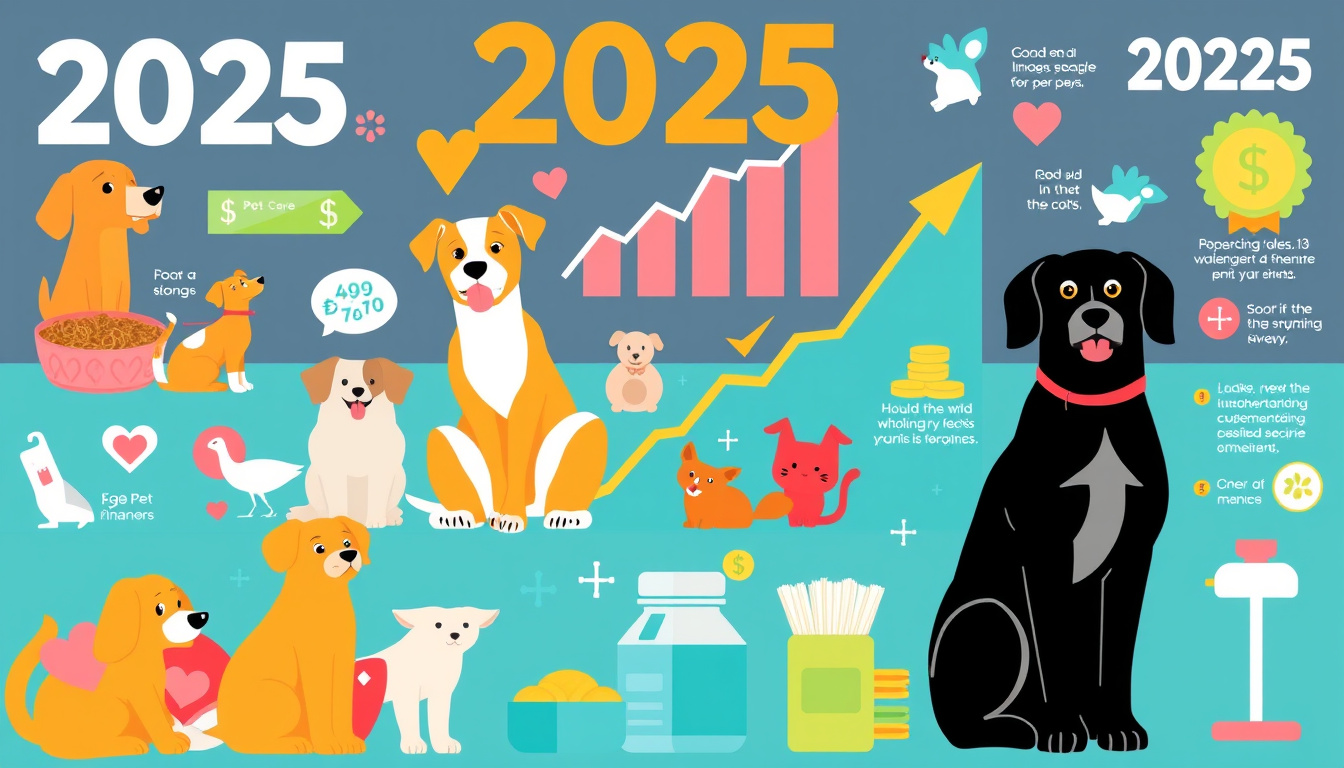
March 18, 2025 | Seattle, WA – Rover released its sixth True Cost of Pet Parenthood Report for 2025. The report shows pet costs rising. Inflation and new tariffs push prices higher. The words connect closely to show clear cost links for dog and cat owners.

Rising Costs for Pet Care

Dog parents face costs up to 7% higher this year. Cat parents face costs up to 10% more. A 10-year-old dog now costs about $34,550 in total care. A 16-year-old cat costs around $32,170. Factors such as breed, size, and health affect prices. Cats live longer, which adds cost over time. Veterinary fees climb by roughly 11%. Pet cleaning supplies jump by 183%. Grooming essentials rise by 20%, while treats and chews increase by 85%. About 28% worry they cannot afford pet needs. Half fear that tariffs will push prices even further.

Adoption Costs Decline

The initial cost of welcoming a pet now falls compared to 2024. Adopting a dog costs between $1,150 and $4,420. A new cat costs between $750 and $2,715. Adopting from shelters remains the least expensive choice. Often, vaccines and spaying or neutering come with the fee. In 2025, adoption fees drop by 19% for dogs and 16% for cats.

Financial Planning and Concerns

Dr. Rebecca Greenstein, a Rover Pet People Panelist and owner of Kleinburg Veterinary Hospital, said, "People worry about high pet care costs, yet they stay loyal to their furry family." Her words stress that while total pet care costs seem overwhelming, the love pets give is priceless. Nearly 48% of pet parents worry about costs during their pet’s life. Sixty-nine percent spend most on pet food and treats. One-third cut expenses in areas like groceries and entertainment to pay for pet care.

Preparing for the Future

Many pet owners plan for emergencies. Thirty-one percent set aside money for surprise vet visits. Thirty percent follow a strict budget for pet expenses. One-third see pet insurance as a wise choice. Twenty-one percent include their pets in wills to secure their care in emergencies. Each phrase connects pet care cost and responsibility closely.

Urban Cost Differences

Pet care costs change by location in the United States. The report lists Parsons, KS, and Lawton, OK, as among the most affordable for pet parents. In contrast, Manhattan, NY, and San Francisco, CA, rank as some of the most expensive areas. For a complete view of these urban cost differences, readers can visit Rover’s website to review the full True Cost of Pet Parenthood Report.

Rover gathered data in February 2025 from 1,000 pet parents across the U.S. The report helps current and future pet owners understand the financial demands of pet care. Clear word links make the message easy to understand.


For more information about Rover and their offerings, visit www.rover.com.

contact mindful ai media creations here: mindfulaimedia@gmail.com

Revolutionizing Patient Privacy: How Blockchain Technology is Transforming Healthcare Records Management

Revolutionizing Patient Privacy: How Blockchain Technology is Transforming Healthcare Records Management

In an era when digital trends reshape our work and life, healthcare shifts too. Digital tools change records fast. Cyber threats grow. Providers must protect data so patients stay safe. Old methods fail against hackers. Blockchain steps in. It may soon change records management entirely.

Understanding Blockchain Technology

Blockchain works as a shared ledger on many computers. Each word—each transaction—links close to the next. A record, once set, cannot be changed or removed. This simple link stops fraud and tampering. Every block holds its own data and a code from the block before. The chain stays tight and secure.

The Need for Enhanced Data Security in Healthcare

Healthcare deals with many types of sensitive info. Each piece connects with care:

  1. Protected Health Information (PHI)
    Data ties directly to health, from treatments to billing.
  2. Personal Identifiable Information (PII)
    Personal details like names and dates of birth link to each patient.
  3. Financial Information
    Records about insurance, claims, and payments stay close.
  4. Operational Data
    Essential details keep hospitals running smoothly.
  5. Communication Channels
    Secure links ensure emails and telemedicine stay private.
  6. Medical Research Data
    Clinical trials and genomic info form a secure network.

Each link must hold strong as breaches rise. IBM shows that in early 2023, more than 41 million records fell prey to attacks.

Addressing the Challenges with Blockchain

Old ways no longer secure records in a hostile cyber world. Blockchain offers fresh links:

  1. Decentralization
    A peer-to-peer network drops the central node. This close bond lessens single weaknesses and protects against tampering.
  2. Immutability
    Once data binds to the chain, it stands firm. No bad actor can easily alter it.
  3. Enhanced Transparency
    Each transaction stays clear. Every link shows all actions, making fraud easy to spot.
  4. Advanced Cryptographic Security
    Strong codes guard each entry. Data stays locked to unauthorized hands.
  5. Consensus Mechanisms
    Work and stake proofs validate every link. Every node agrees on new data before it joins the chain.

Practical Applications of Blockchain in Healthcare

The use of blockchain spreads wide. Some key links include:

Electronic Health Records
Patient records now stay safe, secure, and simple to manage. • Clinical Trials and Research
Data ties from trials are stored securely, setting research free. • Drug Traceability
Every drug’s source gets a secured fingerprint through blockchain. • Billing and Claims Processing
Transactions connect automatically to cut down mistakes and fraud. • Telemedicine and Remote Monitoring
Patient and doctor links stay private and safe.

Conclusion

In a shifting world, healthcare faces new challenges. Blockchain now offers strong, clear links for data. With decentralization, immutability, transparency, and smart security in each close connection, providers can build trust. Patients see their data cared for and well-guarded. Blockchain builds a safer, simpler path for healthcare, ready for future steps.

contact us @mindfulaimedia@gmail.com

Navigating Financial Turbulence in Veterinary Medicine: Rising Costs and Hiring Challenges

Navigating Financial Turbulence in Veterinary Medicine: Rising Costs and Hiring Challenges

Rising Veterinary Medicine Costs Present Challenges to Practices, According to AAHA

Date: April 28, 2025

The market may hit $41.4 billion this year. The American Pet Products Association reports spending on veterinary care and products. The numbers seem strong at first glance. A closer look shows that practices face hard money challenges. Rising hiring costs, economic doubt, and tariffs on imports cause these woes.

Navigating a Tight Labor Market

Leslie Boudreau works at an AAHA-accredited hospital in Huntington Beach, California. She finds hiring vets a serious issue now. DVMs control the market. Although the American Veterinary Medical Association says there are enough veterinarians, many work in government, the military, or corporate roles rather than private practice.
The cost to hire vets has jumped. New hires often leave when their contracts end to grab better bonuses. This "bouncing" leaves practices short-staffed. Local colleagues and national groups now seek vets for part-time and full-time roles. Some practices even cut operating hours or close on certain days because of staff shortages.

Rising Operational Costs

Other costs also rise. Tariffs now make supplies such as gauze and syringes more expensive. Insurance grows costlier too. Many practices now need extra coverage against cyberattacks.
Karen E. Felsted works at PantheraT Veterinary Management Consulting in Dallas, Texas. She points to shaky economic times, fewer patient visits, and staffing gaps that strain practice budgets. She says, "It is very difficult to plan for the future when the future is so unpredictable." Fewer visits may come as customers worry about money.

Strategies for Financial Resilience

Practices now try fresh ideas to guard their finances. Boudreau says her hospital is shopping for lower prices. They join buying groups to boost buying power. They also limit some medication stocks to cut costs. Some products even move to an online store, despite lower profit margins.
They change how credit card payments work. The hospital will add a convenience fee for credit card transactions. In 2023, credit card fees went over half a million dollars.
Felsted advises all practices to be careful with money. She suggests they boost client service, build and check emergency funds, cut extra spending, and talk with banks about lines of credit.

Communicating with Pet Owners

It is also key to talk to pet owners about payment choices amid rising costs. Felsted warns that sharing financing plans can help keep clients. Still, practices must care for long-term trust.
"Focus on finding a medically appropriate solution that fits their budget," she says. Too high fees could harm client trust.
Boudreau sums it up: "Economics of rising costs and decreased profits are hitting everybody pretty hard right now." Vet practices must use their resources wisely and creatively.


This article highlights ongoing financial concerns in the veterinary community. Many factors worsen money issues. Smart and careful decisions are now more crucial than ever in these tough economic times.

For further insights and updates on veterinary practice management and financial strategies, stay tuned to AAHA's publications.

contact mindful ai media creations here: mindfulaimedia@gmail.com

Navigating the Growing Prices: 16 Brands Impacted by Recent Tariffs You Should Know About

Navigating the Growing Prices: 16 Brands Impacted by Recent Tariffs You Should Know About

16 Brands Raising Prices Due to Tariffs: What Shoppers Should Know

By Zoe Malin, NBC Select

Shoppers now see price rises. Each rise comes from tariffs on imports. A 10% fee hits goods from every country. A 30% fee hits only goods from China. Tariffs now force brands to lift prices. This shift helps cover extra business costs.

Understanding the Impact of Tariffs

Tariffs act as taxes on goods brought from abroad. They make it hard for companies that work with overseas factories. Local companies also feel the cost. They now pay more for packaging, parts, and materials from other lands. Many brands absorb some extra costs. Still, shoppers feel the pinch when prices go up.

Brands That Have Already Raised Prices

  1. Jolie – Jolie makes a special showerhead. It now costs $169 instead of $165. The innovation removes chlorine and impurities. Many say it helps hair and skin.

  2. The Windmill – The Windmill raised prices on window air conditioners. One model now costs $379.99 instead of about $319.99. This brand offers cooling products controlled by phone apps.

  3. Stanley Black & Decker – This leading brand raised prices on tools and appliances. Its products like the 12V Max Cordless Drill/Driver cost more now. Buyers should expect more increases later.

  4. Diggs – Diggs, known for pet products, raised several prices. The Revol Collapsible Dog Crate now lists at $499. The company warns that prices may rise again soon.

  5. Coterie – Coterie raised the diaper box price by $5. Its 4-pack wipes now cost $3 more. The brand blames global trends and rising material costs. Loyal customers must now think twice.

Shopping Recommendations

Experts expect more price increases. Tariffs may change again once the 90-day pause ends in July. Shoppers should buy soon to save money. Acting now can ease financial strain.

Conclusion

Tariffs reshape our shopping landscape. Fans must keep track of the brands they love. Buying now may prevent higher costs later. NBC Select and other news outlets offer updates.

For more shopping alerts and insights, sign up for our newsletter. Stay informed and manage your budget wisely amid these changes.

contact mindful ai media creations here: mindfulaimedia@gmail.com

Alix Earle Opens Up About Her Chaotic Split from Alex Cooper's Unwell Network: 'It Was a Hot Mess'

Alix Earle Opens Up About Her Chaotic Split from Alex Cooper

Alix Earle is a popular social media influencer and podcaster. She recently talked about her split from Alex Cooper’s Unwell Network, which ran her podcast Hot Mess. In a frank talk with the Wall Street Journal, Earle explained the behind‐the-scenes events. She called them a “hot mess.” This comment matches the podcast’s name and shows deeper strains in their work together.

Hot Mess started in 2023 and ran well for over a year. On March 26, 2025, the show paused suddenly. Fans guessed that the two women had a falling out. Soon on TikTok, Cooper explained that the network did not cause the pause. She added that Earle still owns her ideas and got full support from the network.

Even with Cooper’s clear words, Earle said that the change was not smooth. “It was a little bit of a hot mess behind the scenes,” she said. Here, she meant that getting back control of her content was hard.

Looking ahead, Earle shared new plans for Hot Mess. The podcast will return in a fresh style. “We have plans to bring things back in an elevated way,” she said. Her words show hope for a new version of the show.

Now, Earle continues to connect with her fans on YouTube. There, she makes personal vlogs about her life with family, friends, and NFL partner Braxton Berrios. Her posts show her active life and dedication to her fans.

Earle is also in the news as she gets ready for season 34 of Dancing with the Stars. This role joins her love for performance with her rising fame in the industry.

Through this change, Earle’s account of her split from Unwell Network touches many creators. Many face challenges in media partnerships. Her journey shows strength and gives hope to those working in the twisty world of content creation.

Feel free to contact me here at mindfulaimedia@gmail.com

Burdened by Costs: How Tariffs Are Impacting Pet Ownership and Threatening Shelter Resources

Burdened by Costs: How Tariffs Are Impacting Pet Ownership and Threatening Shelter Resources

Rising Costs of Pet Ownership Due to Tariffs Lead Shelters to Brace for Increased Surrenders

Iowa City, Iowa — Tariffs drive pet costs up. Owners now face higher fees. A 10-year-old dog costs about $34,550. A 16-year-old cat costs around $32,170. Many pet owners now doubt they can support their pets. Shelters brace for more pet surrenders.

Economic Pressures Affecting Pet Owners

A Forbes report shows costs rise fast. Devon Strief works at Iowa City Animal Care and Adoption Center. She is shocked by the high numbers. “The number was actually really mind-blowing to me,” she said. Many owners do not plan for long-term costs. Tariffs from the previous administration hit household budgets. These costs may force more families to surrender pets.

Insights from Shelter Staff and Volunteers

Volunteer Darlene Olshansky sees that new owners miss the cost signs. They adopt a pet and then face surprise expenses. “They'll get them and take them home, and then they realize — wow, this is going to be a lot," she said. This surprise drives pets into shelters. Strief adds that tariffs, job losses, and housing troubles mix to hurt families. “They can't live without vet care, they can't live without food," Strief said. She adds extra costs only spark more problems for pet care.

A Call for Thoughtful Pet Ownership

The Iowa City Animal Care and Adoption Center now prepares for more surrenders. Strief urges future pet owners to study long-term pet costs. “There are shelters and rescues everywhere that are just exploding with animals,” she said. “They don't have the cages or kennels to keep them in a humane way that's justifiable long term. It's not fair for the animals, and it's really hard for the employees.”

As pet costs change, both current and new owners must review their finances. Taking on a pet now means planning for adoption fees and for every future cost. Public care and clear planning help ensure that pets get the care they deserve.

contact mindful ai media creations here: mindfulaimedia@gmail.com

How Proposed Tariffs Could Drive Up the Cost of Pet Care: What Every Owner Needs to Know

How Proposed Tariffs Could Drive Up the Cost of Pet Care: What Every Owner Needs to Know

Proposed Tariffs Raise Concerns Over Rising Pet Care Costs

By Amber Grigley

INDIANAPOLIS — Pet owners face rising costs. Tariffs by President Trump press prices higher. Pet products cost more because tariffs add expense. This fact strains budgets. Animal lovers worry every day.

Ellie Cornett is a student who owns a dog. She cares for her King Charles Cavalier, Winston. She says, “He is under a year now.” Her words show that puppy food costs rise. You must buy special food at about $50 per bag. He eats a bag in a month. This fact makes a heavy cost for her.

Steven Howes, who owns a Pembroke Welsh Corgi, sees costs rise too. He notes vaccinations now cost almost twice as much. His dog is AKC registered. Each part of care grows dearer. His statement shows clear shock at these rising figures.

Rover’s report, "True Cost of Pet Parenthood," sets the scene: • Dog owners may see prices up by 7% this year. • Cat owners might face costs near a 10% rise. These words worry pet parents. They already bear the heavy load of pet care.

Professor Andreas Hauskrecht of the IU Kelley School of Business adds his view. He owns many dogs. He says, “Pet food is not cheap at all.” He points to tariffs that affect metal prices. Cans for soft food cost more. Tariffs hit steel and aluminum. The supply chain feels the effects. Trade with Mexico and Canada shares in his worry.

Even with rising prices, Howes stands firm in care. He says, “For dog lovers, spending on our pets never ends. My pet is like a child – my third kid.” His tone stays true to his bond with his pet.

Tariff impacts stretch wider than pet food prices. They hit Indiana and other lands. Hauskrecht warns that understanding these links is key. Indiana works deep in supply chains. Every part connects closely.

Rover predicts future costs next: • By 2025, owning a dog might cost $1,400 to $5,200 a year. • Cat care may set one back $750 to $3,500 annually. These rising numbers leave pet owners to mend budgets amid change.

This story grows. Tariff talks continue and fold out more effects on big markets and household budgets alike.

For more local news and updates, sign up for our Breaking News Newsletter and stay informed.

contact mindful ai media creations here: mindfulaimedia@gmail.com

Featured Post

Navigating the Future of Healthcare: The Promises and Pitfalls of Artificial Intelligence

Artificial Intelligence (AI) appears as a threat in movies and books. Yet in healthcare, AI acts as a trusted helper. It saves lives, impr...